A Simple Gesture Details Guilford County Food Rescue, Volunteer Roles, School SHARE
A Simple Gesture laid out how staff, volunteers, and partners run food-rescue programs in Guilford County and what workers need to know to participate.
A Simple Gesture has published detailed program information explaining how staff, volunteers, and local partners collaborate to rescue food across Guilford County, offering clear operational expectations for employees, contractors, and community volunteers. The nonprofit’s page breaks its work into three core areas - Green Bag Food Donor, Food Recovery, and SHARE - and describes the volunteer roles and sign-up processes that keep those programs running.
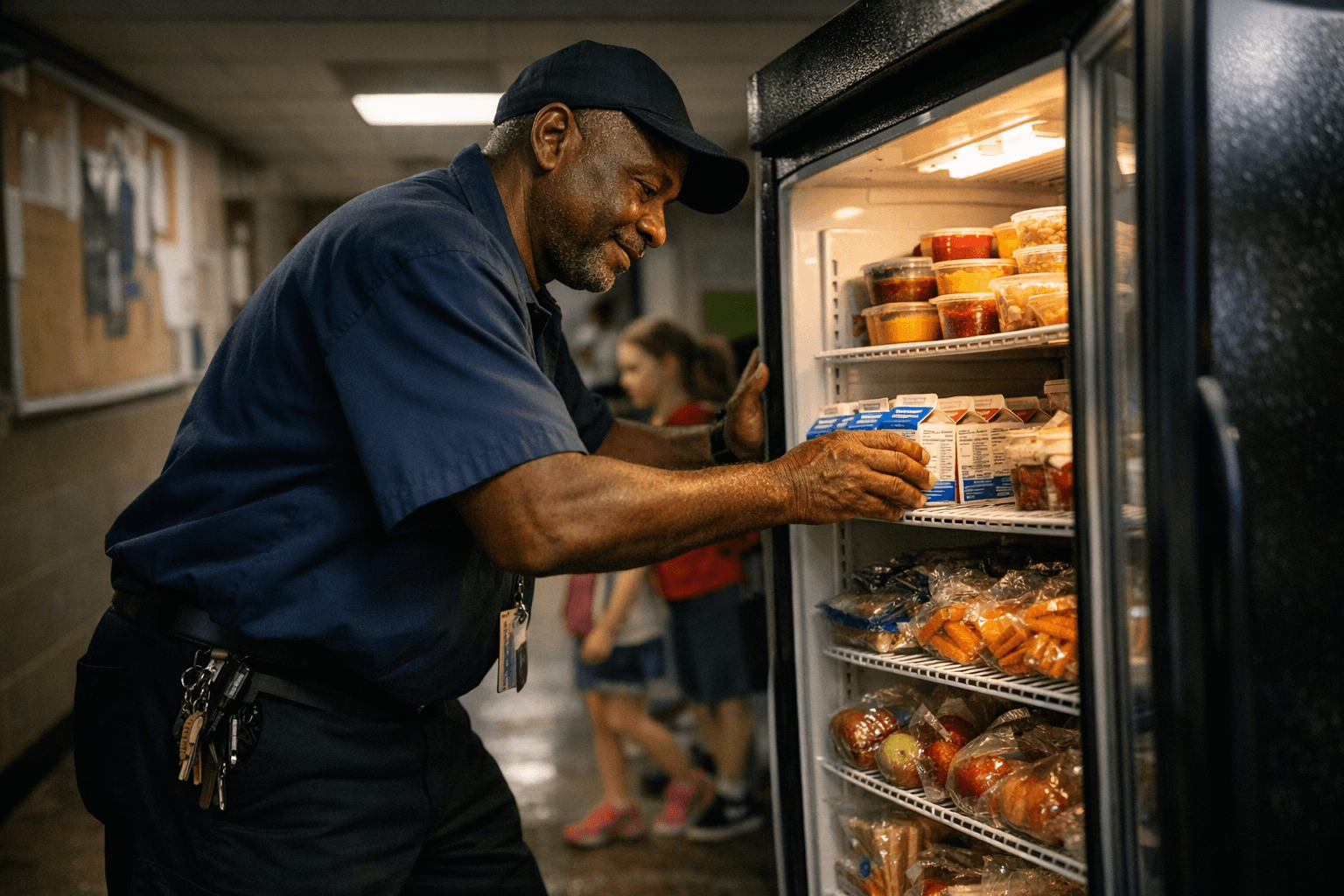
The Green Bag Food Donor program organizes recurring household donations of nonperishable goods that volunteer drivers pick up on a set cadence. Food Recovery matches food-industry businesses with vetted nonprofit partners to rescue surplus prepared and perishable food. SHARE installs school-based refrigerators where unopened school-meal items are made available to students, a model designed to reduce waste while keeping food accessible on campus. Staff oversight, partner vetting, and volunteer support are built into each program to manage food safety and logistics.
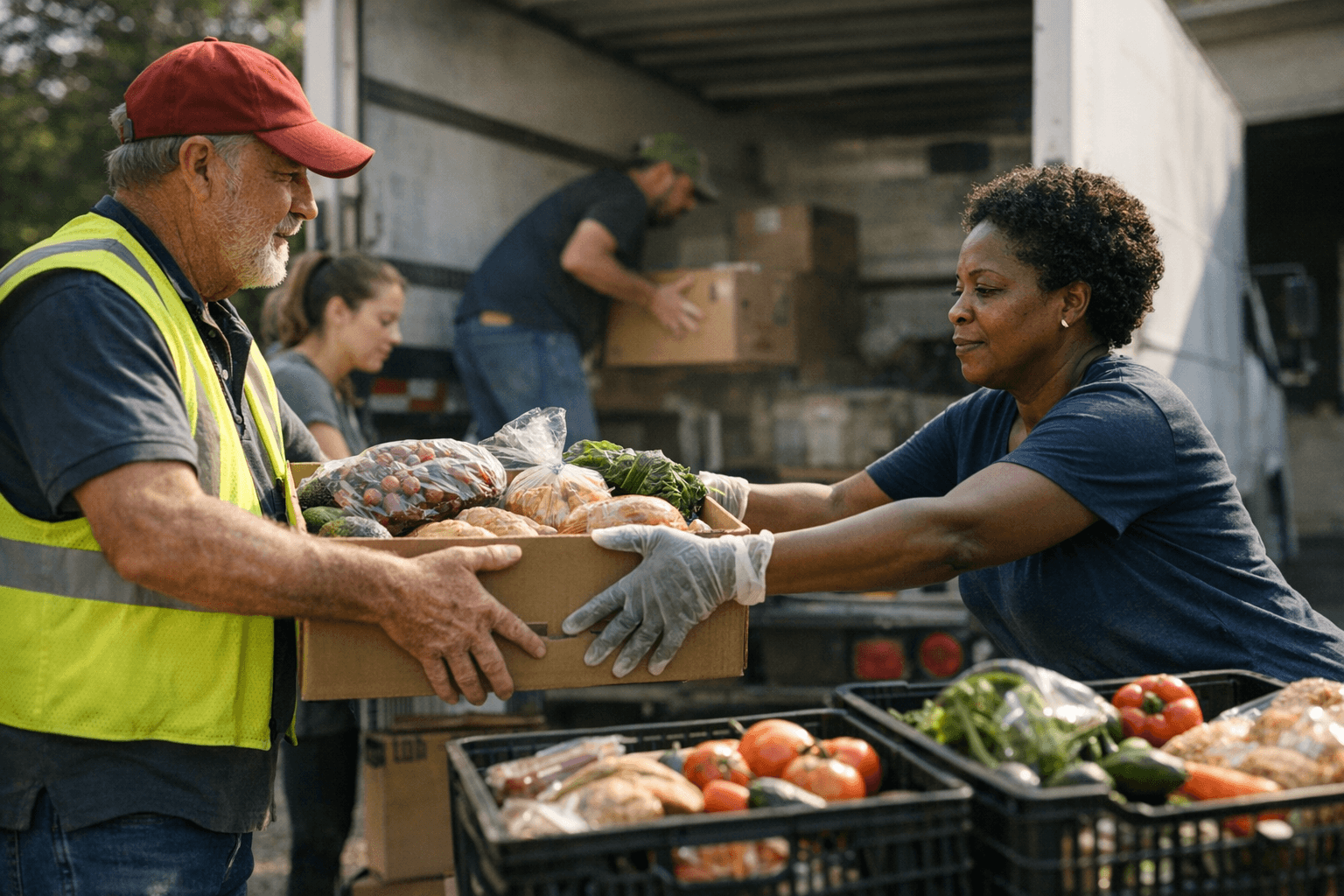
Volunteer roles are spelled out for prospective participants. Drivers handle scheduled pickups and drop-offs, bag-sorters prepare donations for distribution, and event support volunteers help with staffing and logistics at pop-up distributions or special drives. The programs page encourages workplace-style enrollment, allowing employers to register teams and coordinate shifts, and it notes that Guilford County Schools students can log service hours through x2VOL for participating in approved volunteer roles.
For workers and contractors, the page provides practical operational detail so people can assess time commitments and scheduling impacts before signing up. Information covers bag pick-up cadence, donor sign-up procedures, volunteer registration, and training contacts so volunteers know who to contact for onboarding and safety training. Food-industry partners are advised on the vetting process that determines eligibility to participate in Food Recovery, which affects how quickly surplus food can be rerouted from kitchens to nonprofit partners.
The structure matters for workplace dynamics. Employers building volunteer opportunities into employee schedules can offer structured shifts that minimize disruption to operations while supporting corporate social responsibility goals. Drivers and other volunteers should expect standard onboarding and shift coordination; contractors involved in logistics can plan routes and staffing around the documented pick-up cadence. For school staff, SHARE refrigerators introduce an ongoing operational task - monitoring inventory and ensuring compliance with school nutrition policies.
These program details give employees, managers, and school administrators the information needed to align volunteer commitments with work schedules and contractual obligations. For workers considering participation, the next step is to consult the organization’s program contacts for specific pick-up schedules and training dates and to plan volunteer shifts or team enrollments that fit workplace needs.
Know something we missed? Have a correction or additional information?
Submit a Tip