A Simple Gesture Navigates FLSA Volunteer Rules to Reduce Misclassification Risk
A Simple Gesture tightened volunteer roles and paperwork to cut FLSA misclassification risk, clarifying who is a volunteer and what duties they may perform.
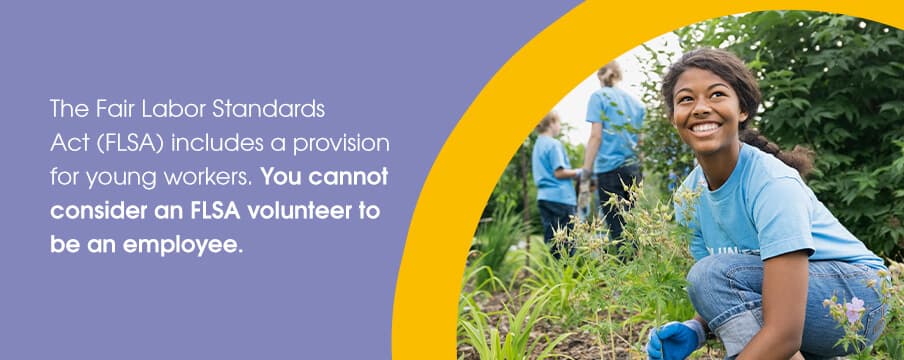
A Simple Gesture has overhauled how it engages volunteers, updating role descriptions, agreements and supervision to reduce the risk that unpaid helpers will be treated as employees under federal law. The move aims to protect the nonprofit from wage-and-hour exposure and to give volunteers clearer expectations about their duties.
Proper classification matters because it determines what tasks volunteers can lawfully perform and whether an organization may face legal or financial consequences. Joanne Furer, PHR, SHRM-CP, Sr. Manager, Compliance & Government Relations, writes that "Nonprofit organizations often depend on the services of both employees and volunteers, who are equally integral to the organization’s success. But proper worker classification is crucial, as it determines the scope of work each can undertake." Furer adds that "Incorrect classifications, misunderstandings by volunteers, or actions that jeopardize classifications can lead to serious consequences for the organization, including costly compliance issues, reputational harm, and questions of the organization’s financial viability."
The legal backdrop for A Simple Gesture’s review is the Fair Labor Standards Act (FLSA) and related federal rules that govern when unpaid activity is truly volunteer service and when it crosses into employment. An overview of those rules captures the focus of the organization’s changes: "Overview: This practical article reviews how the Fair Labor Standards Act (FLSA) and related federal rules apply to volunteers working with nonprofit organizations, with operational recommendations to reduce misclassification risk. Key points: - FLSA basics: Volunteers generally should not expect co"
Volunteer-protection statutes also shape risk management. Guidance quoted from a legal note emphasizes that "In an attempt to promote volunteerism, the federal Volunteer Protection Act of 1997 (the VPA) generally protects volunteers for acts of ordinary negligence." The VPA’s shield for individuals is limited by conditions: "Under the VPA, volunteers for a nonprofit will not be personally liable for harm caused if: (1) they acted within the scope of their responsibilities; (2) they were properly licensed or certified, if required; (3) the harm was not caused by willful or criminal misconduct; or (4) the harm was not caused by the volunteers operating a motor vehicle." State laws such as the Florida Volunteer Protection Act (the FVPA) provide similar protections, but those immunities have defined exclusions. As Ryan P. Portugal explains, "Such limitations on liability do not apply to terrorist or violent criminal acts, hate crimes, sexual offenses, misconduct in violation of civil rights laws, or offenses committed while under the influence of alcohol or any drug."

In practical terms, A Simple Gesture focused on concrete steps that nonprofits commonly use to lower misclassification exposure: documenting that volunteers do not expect compensation, defining volunteer duties so they do not displace paid staff, verifying required licenses or certifications, and keeping clear time and task records. The organization also tightened training and supervision practices to ensure volunteers "act within the scope of their responsibilities" and to preserve the limited protections available to individuals.
For workers and volunteers the changes mean clearer boundaries and protections: volunteers receive written role outlines and training, while paid staff are less likely to have unpaid labor credited against their jobs. For the nonprofit the aim is to avoid costly compliance problems and reputational damage while preserving volunteer capacity.
The broader takeaway is that even well-intentioned volunteer programs carry legal risk; organizations should document expectations, review duties against FLSA standards, and consult counsel where classification is unclear. A Simple Gesture’s updates are the start of that process, and other nonprofits will likely follow suit as they balance mission work with federal labor rules.
Know something we missed? Have a correction or additional information?
Submit a Tip