A Simple Gesture releases guidance for nonprofits on volunteer versus employee classification
A Simple Gesture released guidance for nonprofits to help distinguish volunteers from employees and reduce costly misclassification risks.
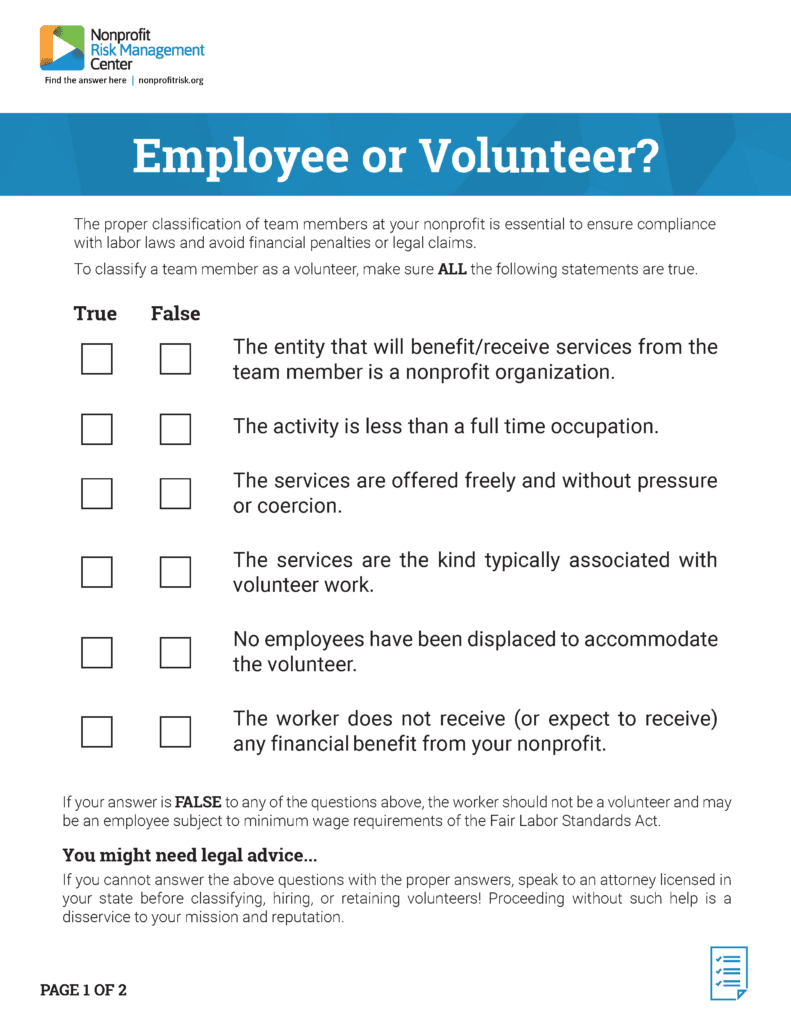
A Simple Gesture has issued a concise resource aimed at helping nonprofits separate volunteer roles from paid employment, emphasizing practical steps and risk considerations for clearly classifying people who contribute time. The guidance focuses on reducing misclassification risk when the duties, supervision, schedule, or expectations placed on an individual more closely resemble an employment relationship than volunteer service.
The resource begins by flagging the core concern: nonprofits that treat someone as a volunteer while that person's relationship to the organization looks like employment can face financial and legal exposure. Misclassification can lead to wage-and-hour claims, tax liabilities, requirements to provide back pay and benefits, and administrative penalties. For organizations operating on tight budgets, those costs threaten program delivery and staff jobs.
To help organizations avoid those outcomes, A Simple Gesture lays out practical steps nonprofits can take. Organizations are advised to analyze each role for signs of employment rather than volunteer service, including whether the organization controls how and when work is performed, whether the person works set shifts or regularly replaces paid staff, whether compensation or regular stipends are provided, and whether the role is essential to the organization's core operations. The guidance encourages written role descriptions that state duties, expected time commitment, supervision arrangements, and whether the position is unpaid by design.
Documentation and process receive heavy emphasis. Nonprofits are urged to use written volunteer agreements that clarify the unpaid nature of the relationship, to limit reimbursement to actual out-of-pocket expenses, and to avoid language that creates an expectation of payment or future employment. Training, background checks, and supervision should be scaled to the volunteer role and described in volunteer-facing materials so internal expectations and external perceptions align.

The guidance also addresses workplace dynamics. Clear boundaries between volunteers and staff help prevent resentment, protect morale, and preserve the nonprofit’s ability to demonstrate that volunteers perform supplementary, not substitute, work. Volunteer managers and boards are encouraged to audit recurring roles that look managerial, operational, or ongoing; those roles are the most likely to trigger classification scrutiny.
For workers, the guidance matters because classification determines access to minimum wage, overtime protections, unemployment insurance, and other workplace safeguards. For organizations, careful role design and consistent record-keeping reduce liability and support sustainable staffing models.
A Simple Gesture recommends regular reviews of volunteer programs, clear communications with volunteers about expectations, and consultation with legal or tax advisors when roles fall into gray areas. For nonprofits juggling mission demands and constrained resources, the resource provides a practical checklist and a reminder that good governance around volunteers protects both the people who give their time and the paid staff who deliver services.
Know something we missed? Have a correction or additional information?
Submit a Tip