Abbas sets Palestinian elections for 2026 and 2027 amid doubts
Abbas fixed Palestinian elections for late 2026 and early 2027, but East Jerusalem, Gaza and rival factions still threaten to turn the decree into a formality.

Mahmoud Abbas set legislative elections for November 2026 and presidential elections for early 2027, but the decree immediately collided with the same credibility problem that has shadowed Palestinian voting for years. His office did not say whether the 90-year-old leader would seek another term, leaving the announcement as much a test of political confidence as a timetable.
The stakes are high because Abbas won the last Palestinian presidential election in 2005 on a four-year mandate that expired in 2009, yet he has stayed in office through repeated extensions and decree rule. The last legislative election was in 2006, when Hamas defeated Fatah, and the Palestinian Legislative Council has not met since 2007. That history is why many Palestinians, rival factions and outside observers are asking not only when ballots will be held, but whether they can be held at all.
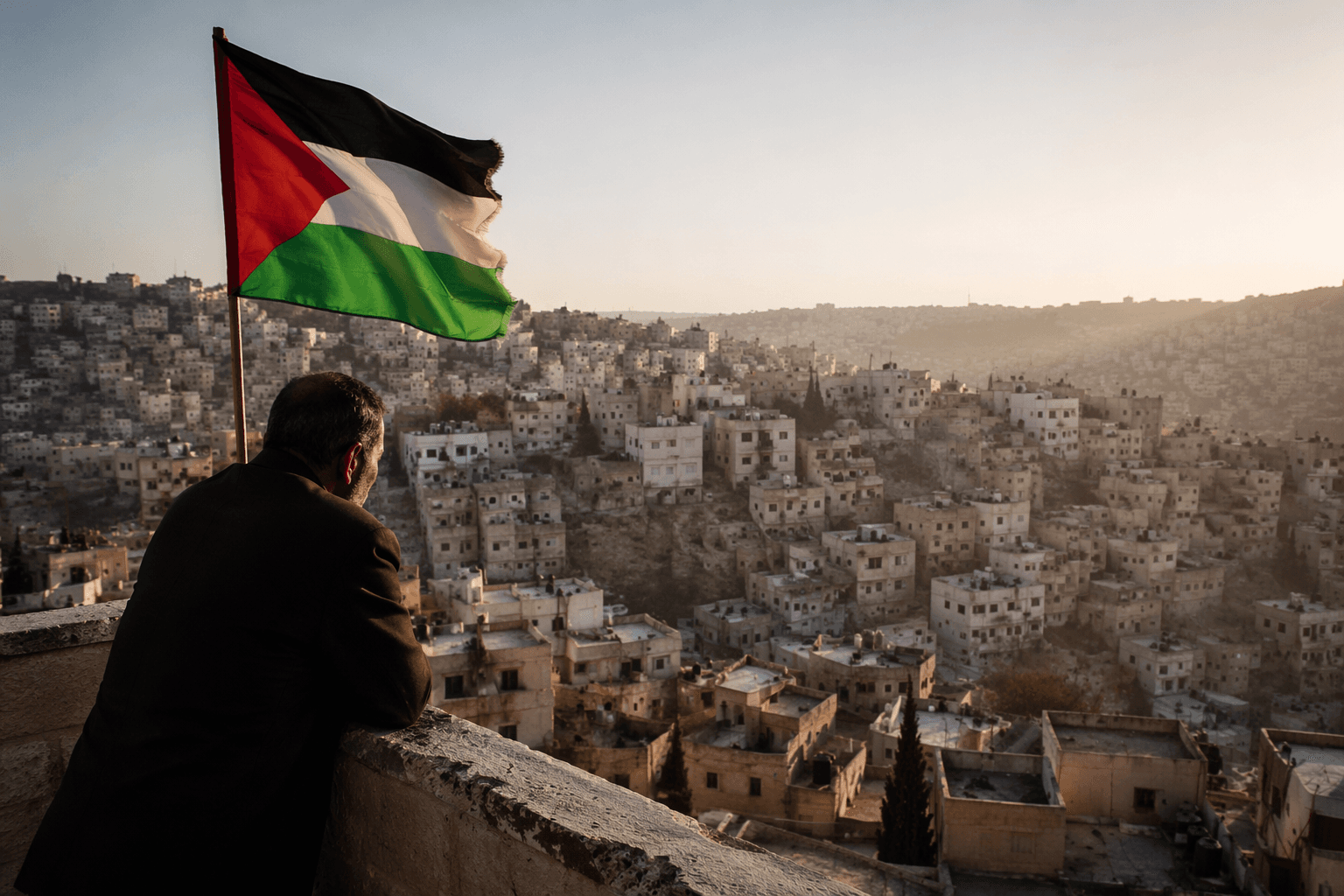
Abbas’ move was paired with a decree-law amending the General Elections Law on June 14, 2026. WAFA said the changes increased the Palestinian Legislative Council to 200 seats, lowered the minimum candidate age to 28 and added a gender quota, all framed as steps to widen participation and representation. WAFA also said Abbas had previously called for Palestinian National Council elections on November 1, 2026, with elected Legislative Council members automatically becoming representatives in the National Council.
That gives the plan a broader institutional reach than a single national vote. The Palestinian National Council is the highest decision-making body of the Palestine Liberation Organization and is meant to represent Palestinians in the homeland and the diaspora. The body dates to 1964, when the first Palestinian National Congress met in East Jerusalem on May 28, underscoring how deeply the question of representation is tied to Jerusalem itself.
The hardest obstacle remains the same one that derailed the 2021 effort: whether voting can actually take place in East Jerusalem and Gaza. In February 2021, the Palestinian Central Elections Commission said 2.6 million voters had registered for the planned elections, including 421,000 new registrants, before the process was postponed. Its postponement decree said the vote would wait until conditions were met throughout all Palestinian territory, especially Jerusalem. In April 2021, Abbas postponed the election amid the dispute over East Jerusalem and internal Fatah splits.
The broader diplomatic backdrop has changed little. In 2021, the European Union representative said Palestinians had the right to vote in East Jerusalem, and United Nations envoy Tor Wennesland said credible and inclusive elections across the Occupied Palestinian Territory, including East Jerusalem, were crucial to renewing legitimacy and national unity. Four years later, the same issues still define the fight over succession, Gaza-West Bank politics and Palestinian authority itself. Unless those barriers move, Abbas’ new calendar may prove less like a breakthrough than another deadline waiting to be overtaken by reality.
This article was produced by Prism’s automated news system from verified source data, official records, and press releases, then run through automated quality and moderation checks before publishing. The system is built and supervised by the people who set the standards it runs under. Read our full AI policy.
Did this article answer your question?

