Abbas’s son joins succession fight as Fatah prepares key conference
Mahmoud Abbas’s son entered Fatah’s succession scramble as the party met in Ramallah, sharpening a fight over legitimacy, corruption, and who will lead after Abbas.

Mahmoud Abbas’s long grip on Palestinian politics has reached a volatile stage: his son, Yasser Abbas, has moved into the succession battle just as Fatah gathered in Ramallah for its first major conference in almost 10 years. The contest is unfolding inside a leadership system many Palestinians say has outlived its mandate, with Abbas ruling the Palestinian Authority by decree since his elected term expired in 2009.
Yasser Abbas, 64, is a millionaire businessman who runs tobacco and contracting firms in the West Bank. He holds no formal political office and has no record of public participation in Palestinian politics, yet he was expected to seek one of 18 seats on Fatah’s Central Committee at the three-day conference that ran from May 14 to May 16, 2026. About 2,580 Fatah members were expected to take part, with 80 seats on the movement’s Revolutionary Council also up for election.
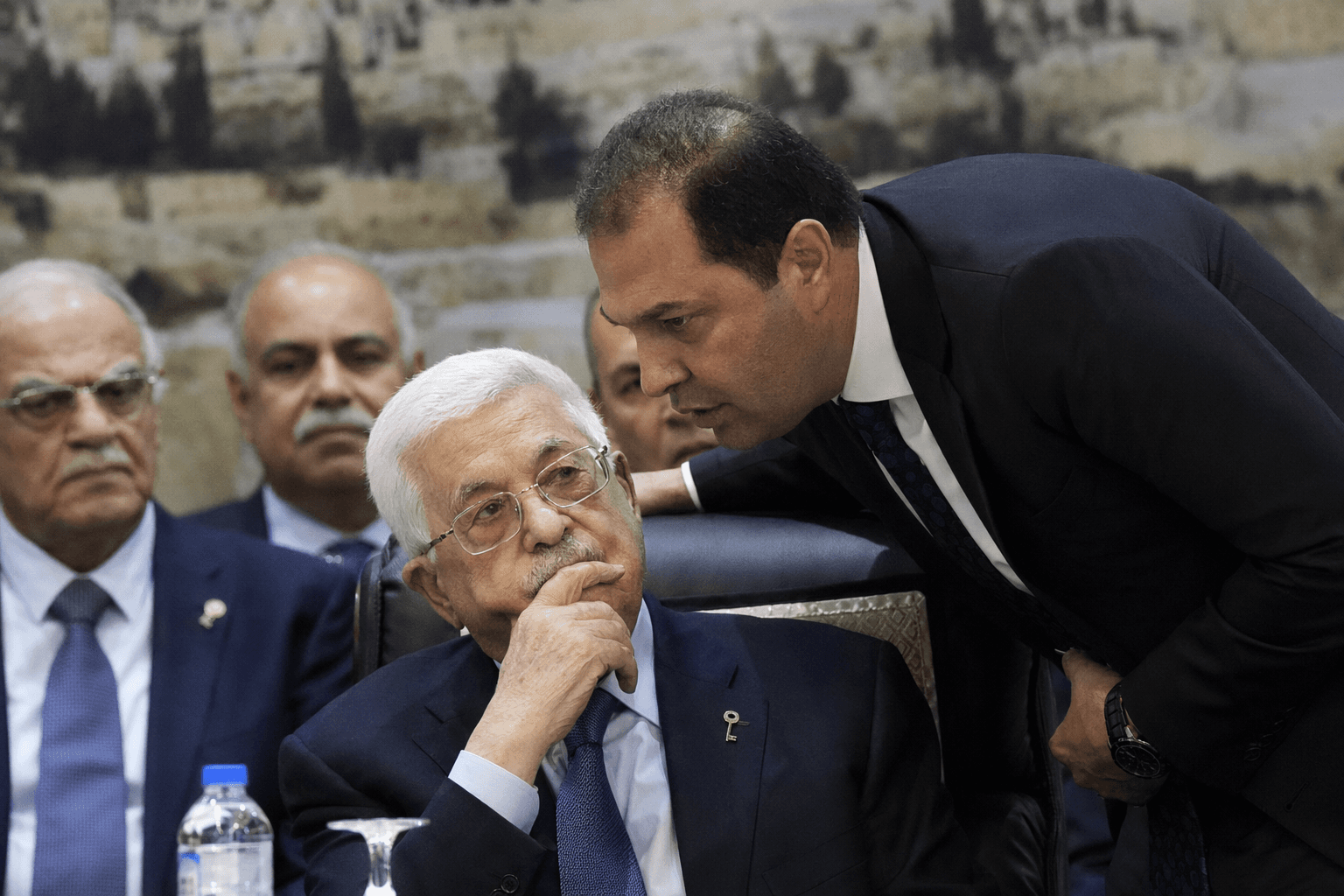
The move has sharpened anger among Palestinians already frustrated by stagnation, corruption allegations and the absence of any clear democratic transition. Abbas, now 90, has led the Palestinian Authority since 2005 and also heads both Fatah and the Palestine Liberation Organization. The authority exercises limited self-rule in parts of the Israeli-occupied West Bank, but its political legitimacy has been eroded by years without presidential elections and by the concentration of power around Abbas and his inner circle.
In April 2025, Abbas appointed Hussein al-Sheikh as vice president of the Palestine Liberation Organization, a step widely read as an effort to manage the post-Abbas question. The emergence of Yasser Abbas alongside that move underscored how succession inside the Palestinian leadership has become both a family matter and an institutional one, with rivals and loyalists maneuvering inside the same narrow political structure.
The backdrop is public anger at a system many Palestinians see as closed and self-protecting. Former Palestinian intelligence chief Tawfik Tirawi publicly accused the leadership in January 2026 of allowing systemic corruption to flourish, adding to the long-running complaints that Abbas sidelined rivals, weakened institutions and failed to build a credible transfer of power. Polling by the Palestinian Center for Policy and Survey Research in the West Bank and the Gaza Strip in October 2025 showed broad dissatisfaction with Abbas and support for new leadership, including technocratic arrangements for Gaza’s future governance.
That legitimacy gap matters well beyond Fatah. With the Gaza war deepening the leadership vacuum, who controls the Palestinian Authority will shape diplomacy, security coordination and the future of Palestinian governance. A succession fight driven by family ties, old patronage networks and fading institutions leaves the Palestinian political order more fragile at the very moment it most needs a credible transition.
This article was produced by Prism’s automated news system from verified source data, official records, and press releases, then run through automated quality and moderation checks before publishing. The system is built and supervised by the people who set the standards it runs under. Read our full AI policy.
Did this article answer your question?

