Abbott launches Libre Assist - AI meal guidance for FreeStyle Libre app
Abbott announced Libre Assist at CES 2026, a generative AI feature that predicts how specific foods will affect glucose levels and provides real-time, personalized meal guidance for FreeStyle Libre users. The tool is being offered inside the Libre app at no additional cost, raising questions about clinical validation, privacy and regulatory oversight as AI moves into everyday diabetes care.
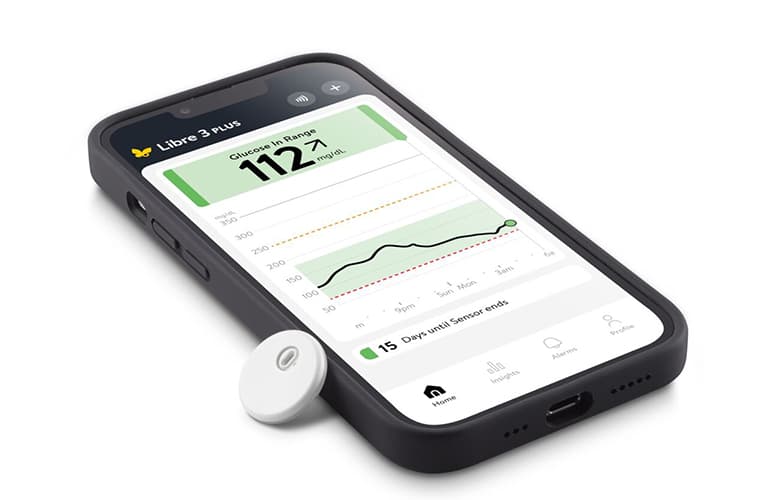
On Jan. 5, 2026, Abbott introduced Libre Assist, a generative artificial intelligence feature integrated into the FreeStyle Libre app that promises real-time, personalized guidance on how particular foods are likely to affect a user’s glucose levels. The announcement, issued from Abbott Park, Ill., and timed to the Consumer Electronics Show in Las Vegas, positioned the tool as an in-the-moment aid to help people living with diabetes make meal decisions before they eat.
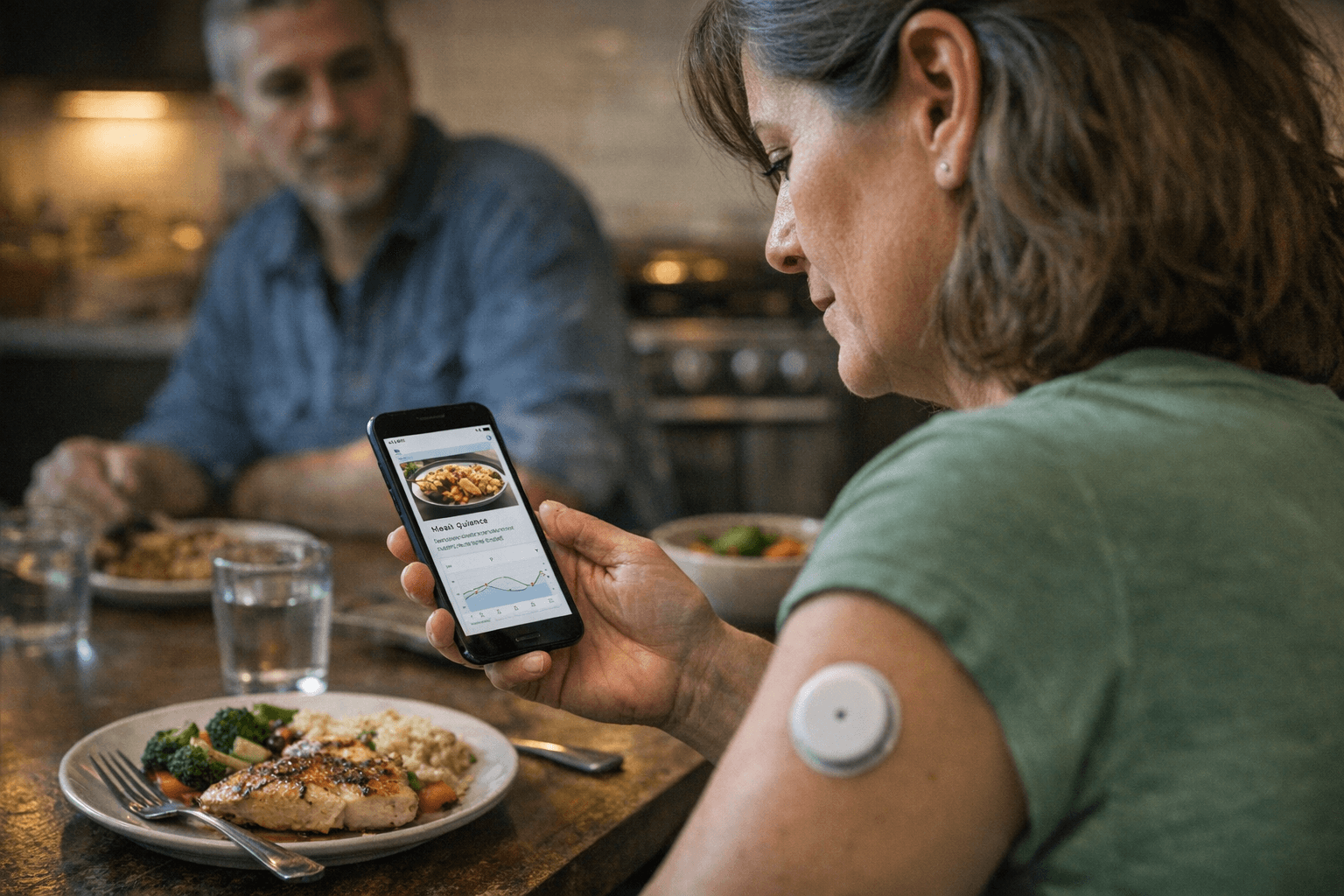
Abbott described Libre Assist as combining generative AI with continuous glucose monitoring data from its FreeStyle Libre systems to deliver predictive guidance prior to a meal, personalized meal recommendations tailored to an individual, and post-meal confirmation that compares predicted impact to actual glucose readings. The company highlighted the feature as moving beyond traditional food-logging apps that typically provide feedback only after a meal has been recorded. In its Jan. 5 news release Marc Taub, vice president of technical operations for Abbott’s diabetes care business, said, “People living with diabetes need more than apps that just log food and fall short of helping them with meal decisions.”
Abbott said Libre Assist will be available at no additional cost within the Libre app for users of FreeStyle Libre CGM systems, and that eligible users would not need a separate prescription, monthly fees, or additional purchases to access the feature. The FreeStyle Libre portfolio, which Abbott noted helped reshape diabetes care about a decade ago, is used by more than 7 million people in over 60 countries, according to company materials, and Abbott framed the new feature as intended to support millions of people with diabetes in the United States and beyond.
Industry observers compared Libre Assist to other AI-powered meal tools on the market, noting potential functional overlap with competitors’ offerings such as Dexcom’s meal logging features, while Abbott emphasized its predictive, pre-meal orientation. Multiple industry outlets reported the announcement on the same day, describing Libre Assist’s generative AI foundation and its aim to help users make pre-meal decisions.
Abbott’s public materials did not include detailed technical specifications about the underlying models, training data, or algorithms, nor did they cite regulatory submissions or clinical trial results specific to Libre Assist. The company also did not publish a comprehensive global rollout schedule beyond stating the feature would appear in the Libre app for eligible CGM users.
The announcement marks a notable step in embedding AI into everyday chronic disease management, with potential to reduce decision burden and avert glucose excursions when predictions are accurate. At the same time, clinicians and patient advocates say independent validation, transparent privacy and data-use policies, and clarity on regulatory status will be essential to evaluate safety and effectiveness across diverse populations. As AI tools increasingly guide medical choices, regulators, researchers and manufacturers will need to define standards for accuracy, disclosure and oversight to ensure promised benefits reach patients without unintended harms.
This article was produced by Prism’s automated news system from verified source data, official records, and press releases, then run through automated quality and moderation checks before publishing. The system is built and supervised by the people who set the standards it runs under. Read our full AI policy.
Did this article answer your question?