Abercrombie warns 15% U.S. tariff will mute 2026 sales growth and lift costs
Abercrombie built a temporary 15% U.S. tariff into fiscal-2026 guidance, cutting expected momentum to +3%–5% and warning of near-term cost pressure for consumers and investors.

Abercrombie & Fitch Co. said it has factored the administration’s newly announced temporary 15% tariff on imports into its fiscal-2026 outlook, warning the levy will mute sales growth and lift near-term costs for the retailer. The company now expects net sales to rise 3% to 5% in fiscal 2026, a slowdown from roughly 6% growth last year.
The guidance includes first-quarter net sales of just 1% to 3%, a figure below analysts’ roughly 4.9% quarter-on-quarter expectation and the LSEG consensus of a 4.2% increase for the year. Abercrombie gave full-year diluted earnings per share guidance of $10.20 to $11.00, a midpoint of $10.60 that stands modestly above analysts’ $10.36 forecast.
Abercrombie said the outlook incorporated the expected impact of a temporary 15% U.S. tariff on all imported goods, a rate described as the maximum allowed under current law after the Supreme Court struck down broader emergency tariff authority. U.S. Treasury Secretary Scott Bessent said the new temporary global tariff rate of 15% was expected to take effect "sometime this week."
The company warned the tariff will hit costs most acutely in the first quarter. Management estimates the levy would add roughly 290 basis points to costs in the first quarter and about 70 basis points for the full year after mitigation efforts, reflecting freight, sourcing and inventory adjustments. Abercrombie noted the 15% rate is lower than certain additional duties applied last year, including a 20% duty on some suppliers in Vietnam and Indonesia, but still increases near-term margin pressure for apparel companies with extensive import exposure.
Investors reacted quickly. Shares fell about 5% to 7% in early trading and were trading down roughly 3.6% at $95.70 at 11:45 a.m. ET, leaving the stock more than 21% lower so far this year. The move reflected investor concern that a lower sales outlook plus tariff-driven cost increases could compress margins even as the company continues aggressive capital returns.
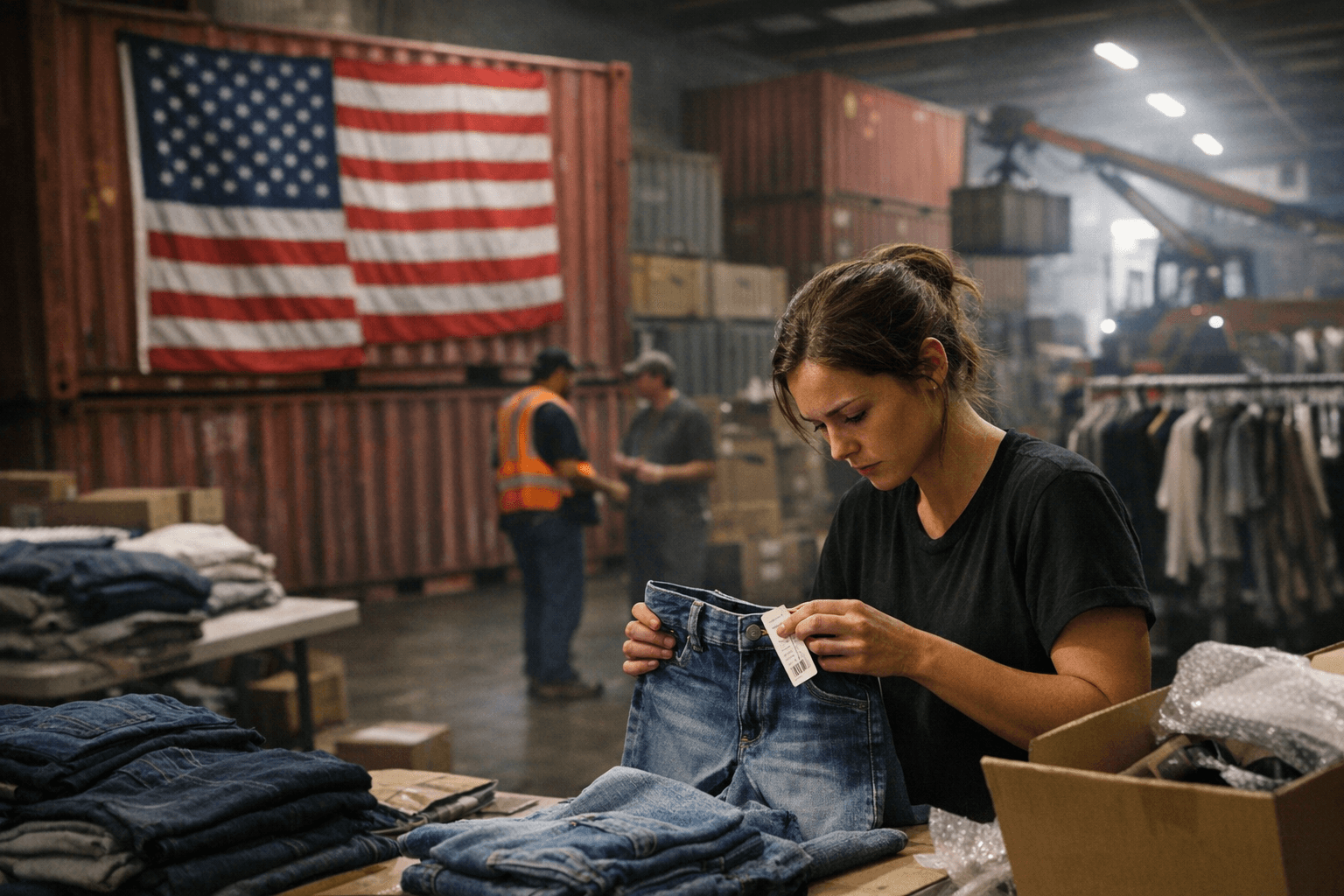
Chief Financial Officer Robert Ball framed the year as bumpy but manageable, saying, "We expect the first half will be adversely impacted by higher year-over-year freight costs and more normalized carryover inventory selling, and the second half will benefit from expected lower freight than last year." Ball added that the outlook "includes current tariffs on China, Canada, and Mexico but not 'other potential incremental tariffs,'" and said the team has taken action to "avoid meaningfully taking prices [up]" while remaining "mindful" of customers' value perception; he said Abercrombie will not make "significant changes" but left open small price adjustments.
The company’s brand performance is mixed: Hollister posted a record annual gain of about 15%, while the Abercrombie flagship brand recorded a small decline. Management highlighted strong fiscal-2025 cash flow of $619 million and repurchases of 5.4 million shares for $450 million, and plans an additional $450 million of buybacks in 2026 even as it navigates tariff risk. Abercrombie is also expanding its store footprint, with a planned opening at Tanger’s Pinecrest development in 2026, underscoring ongoing fixed-cost commitments.
The decision to include tariffs in guidance contrasts with some peers that have excluded tariff impacts from their forecasts, reflecting different risk tolerances among retailers. For investors and consumers, the key signals are clear: modestly slower top-line growth, a near-term squeeze on margins driven by freight and import levies, and the prospect that any broad-based price pass-through will be constrained by shoppers’ sensitivity to value. Companies and policymakers alike will be watched closely for how the temporary tariff's timing, scope and any additional measures evolve.
This article was produced by Prism’s automated news system from verified source data, official records, and press releases, then run through automated quality and moderation checks before publishing. The system is built and supervised by the people who set the standards it runs under. Read our full AI policy.
Did this article answer your question?

