ABYC Standards Week Spurs Safety Review for Efoils and Powered Surfboards
ABYC held its 17th Standards Week in Charleston and opened an exploratory session on efoils and powered surfboards to evaluate safety standards.
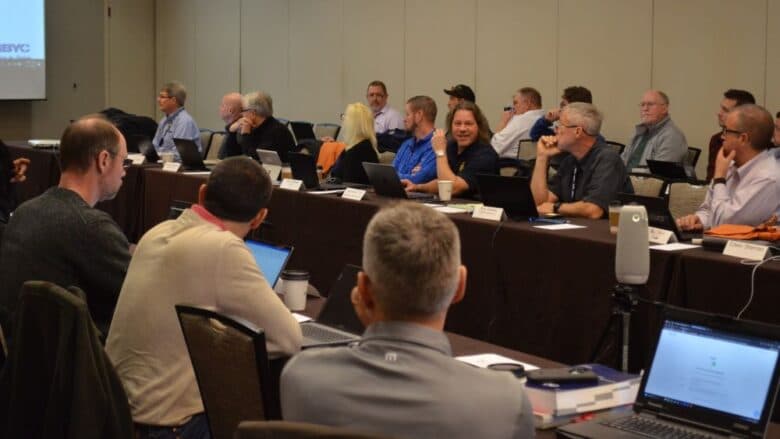
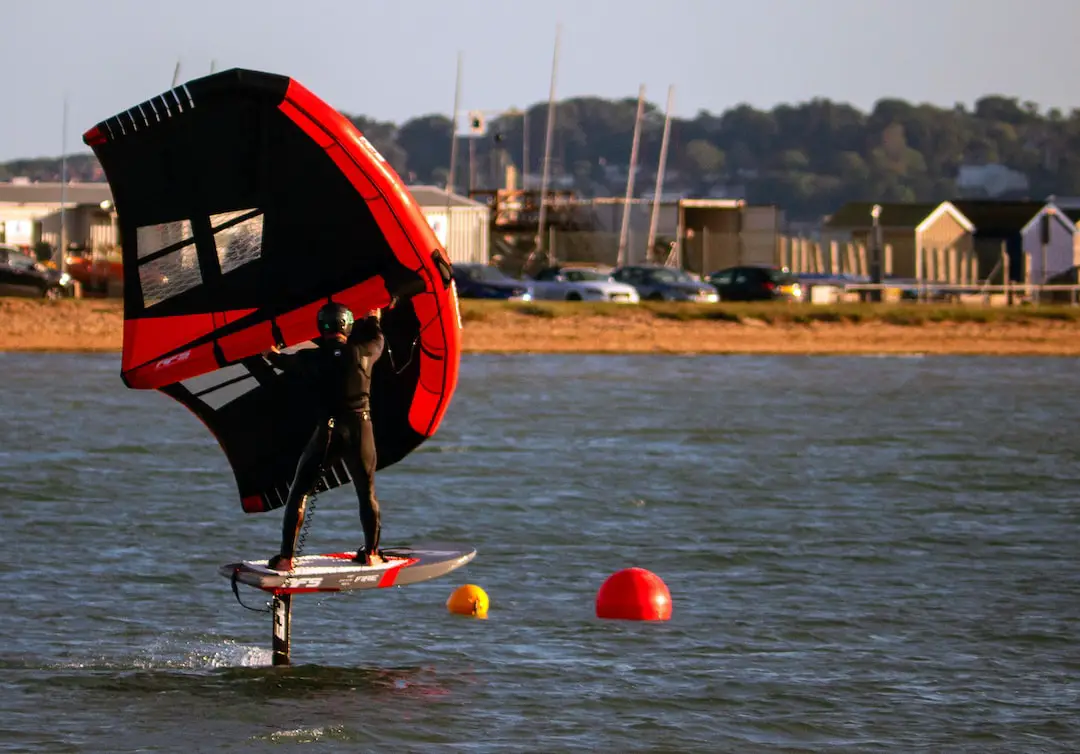
The American Boat & Yacht Council convened its 17th annual Standards Week January 12-15 in Charleston, bringing marine manufacturers, designers, technicians and other industry stakeholders together to revise and develop standards that affect recreational boating safety. The weeklong slate of Project Technical Committee meetings included a new exploratory session requested by the U.S. Coast Guard to examine efoils and powered surfboards, signaling growing regulatory and industry attention to these foil surfing platforms.
ABYC president John Adey summarized the collaborative aim of the event: “We’re excited to welcome industry experts from across the marine industry who volunteer their time and expertise to advance boating safety,” said John Adey, president of ABYC. “According to U.S. Coast Guard statistical reports, boat registrations are up 1% while boating deaths are down 2%, reflecting the collaborative work behind ABYC standards that help keep boating safe, reliable and enjoyable.”
More than 400 volunteer experts regularly review ABYC standards to keep guidance current with emerging technology and safety research. Standards Week staged daily committee sessions where proposed new and revised standards are debated for inclusion in ABYC’s annual Standards and Technical Information Reports for Small Craft. Besides the new efoil and powered surfboard exploratory discussion, committees meeting included Thermal Appliance, Electrical, Hull Performance, and Fuel and Ventilation.
The exploratory meeting targeted several core topics important to foil surfers and operators: emergency cutoff mechanisms, capacity ratings, battery and electrical system safety, and on-product warnings and labeling. Those areas map directly to the everyday safety questions in the community—how a rider can be quickly cut from power in an emergency, how manufacturers rate rider weight and board capacity, how high-voltage battery systems should be protected, and what warnings should accompany a purchase or rental.

For riders, instructors and rental operators this development matters because consensus standards can translate into more consistent hardware features and clearer labeling across brands. For builders and OEMs, a standards path means shared expectations for design, testing and documentation. Meetings remained open to stakeholders and industry participants who want to contribute to the standard-setting process, offering a route for community representatives, surf schools and aftermarket vendors to weigh in.
Expect the exploratory group’s findings to determine whether ABYC will pursue formal consensus standards for efoils and powered surfboards. That work could surface in future updates to ABYC’s annual publications and influence design, rental policies and on-water operations. If you ride, teach or build efoil gear, watch for follow-up committee notices and consider engaging so your practical concerns about safety hardware, battery handling and labeling are on the record as standards evolve.
Sources:
Know something we missed? Have a correction or additional information?
Submit a Tip