Acting U.S. intelligence chief seeks hundreds of cuts at ODNI
Bill Pulte arrived at ODNI a day early and asked for every employee’s name as he prepared cuts that could reshape the intelligence system.
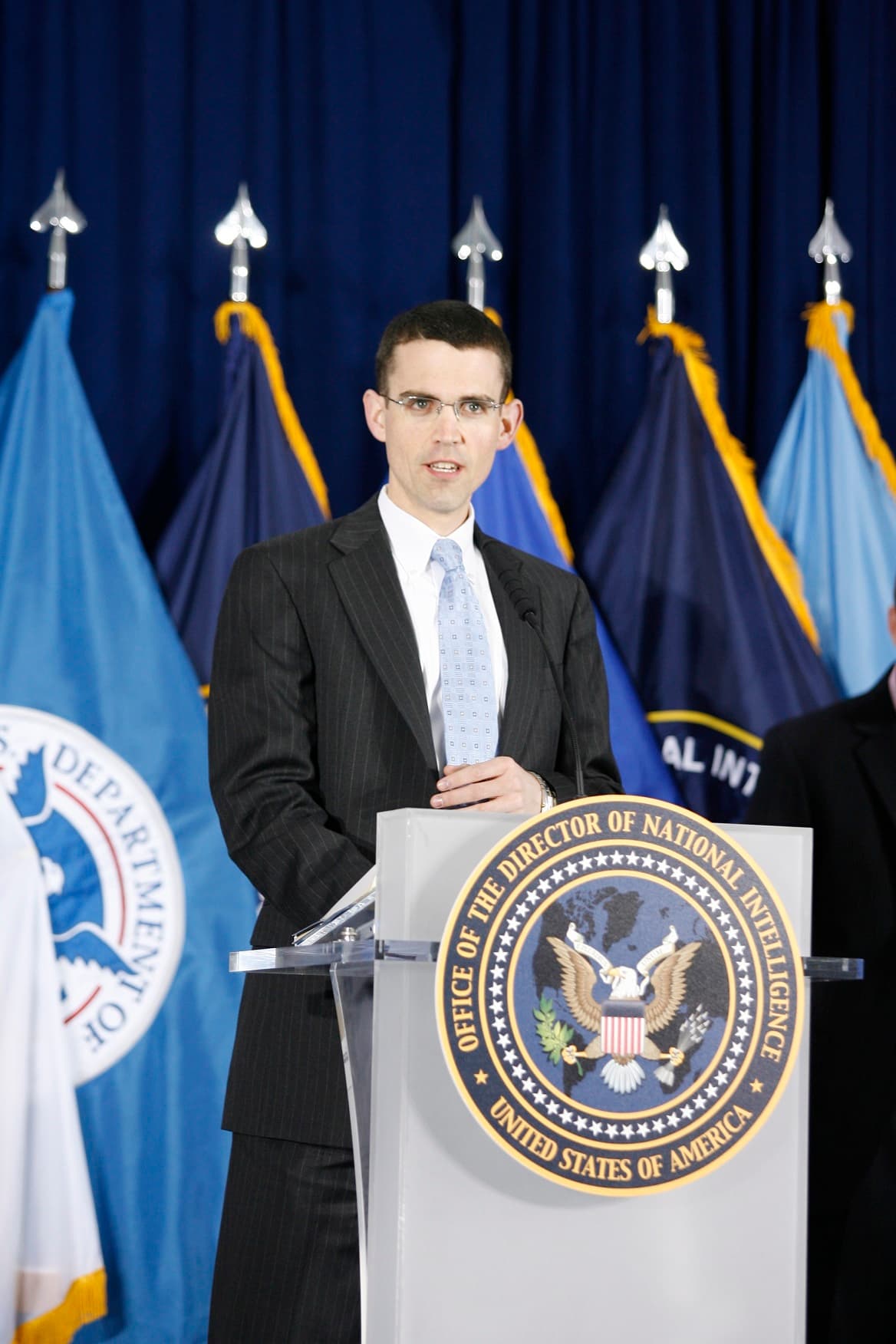
Bill Pulte’s first move at the Office of the Director of National Intelligence was not to settle in, but to size up the workforce. He arrived a day early, asked for a list of every employee and began meeting with lawyers and staffers as he prepared to seek hundreds of job cuts at the agency that sits at the center of the U.S. intelligence community. The push raises a bigger question than payroll savings: whether the administration is streamlining ODNI for efficiency, or using austerity to tighten political control over the nation’s top intelligence hub.
That question matters because ODNI is not a narrow policy office. The agency says it is a senior-level staff organization that oversees the Intelligence Community, a coalition of 18 agencies and organizations, and that its core mission is to lead intelligence integration across directorates, centers and oversight offices. Its National Centers coordinate work in counterterrorism, counterintelligence and security, counterproliferation, cyberintegration and counterinfluence, the kinds of functions that depend on institutional memory and constant interagency coordination rather than quick cuts from the top.
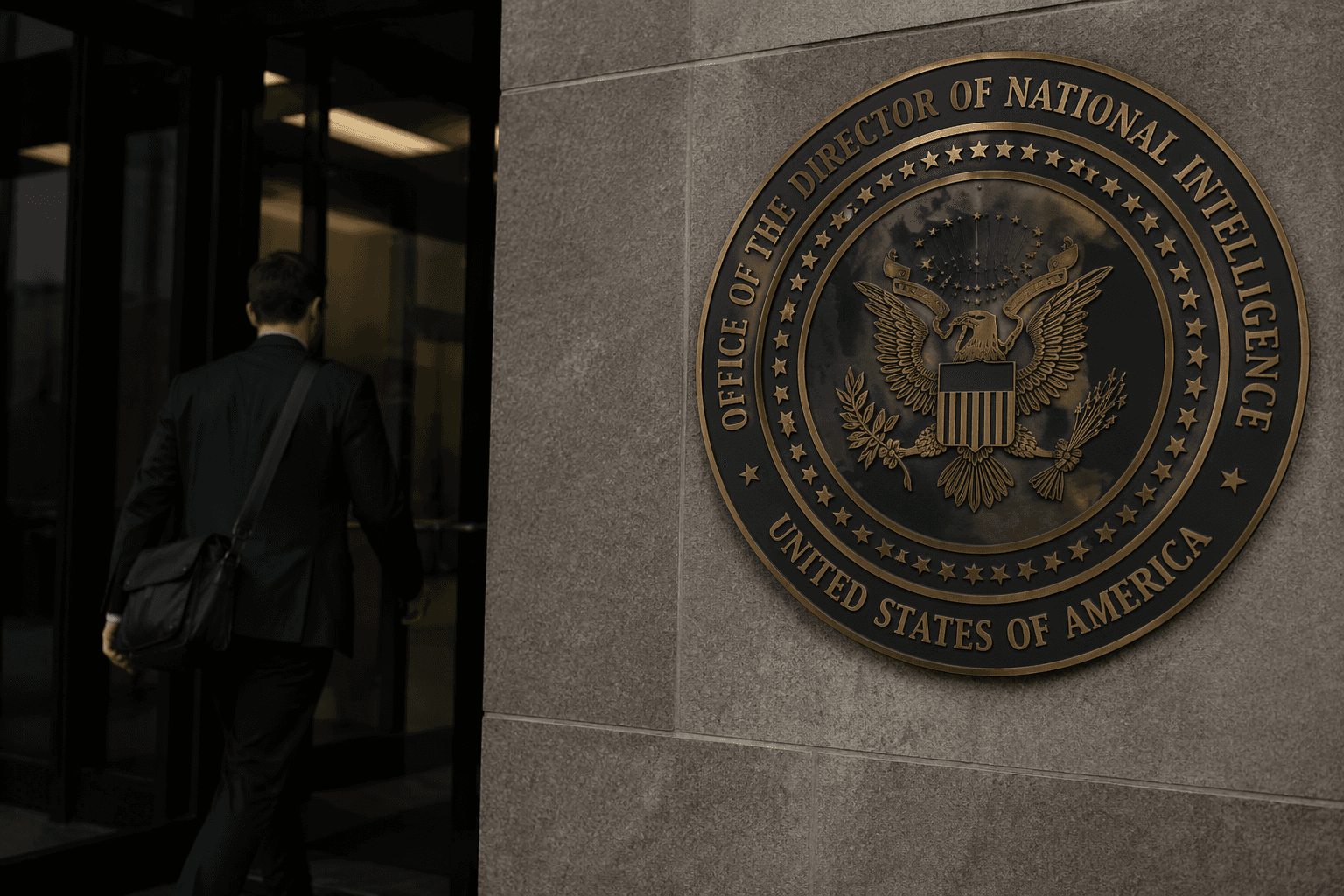
The staffing review lands after an earlier downsizing campaign already reshaped the bureau. In August 2025, then-DNI Tulsi Gabbard announced ODNI 2.0, saying the agency would reduce bloat by over 40% and save taxpayers more than $700 million a year. An ODNI fact sheet later said the overhaul would cut the agency by nearly 50% and eliminate redundant missions, functions and personnel, including the External Research Council and the Strategic Futures Group. Any new round of cuts under Pulte would deepen that retreat and could further thin out analytic capacity, oversight work and the coordination muscle ODNI uses to stitch together the wider intelligence system.
The political backlash has already hardened. House Intelligence Committee ranking member Jim Himes said on June 2 that Pulte had “quite literally no relevant experience with intelligence or national security,” and House Intelligence Democrats later asked Trump to rescind the appointment because of Pulte’s lack of intelligence, foreign policy and national security experience. Trump brushed off concerns on June 11 and said he still planned to install Pulte despite bipartisan pushback. The scrutiny arrives as ODNI’s National Counterterrorism Center is already helping coordinate intelligence support for the 2026 FIFA World Cup, which began June 11 and runs through July 19 across the United States, Canada and Mexico, underscoring how quickly personnel cuts at ODNI can become an operational risk far beyond Washington.
This article was produced by Prism’s automated news system from verified source data, official records, and press releases, then run through automated quality and moderation checks before publishing. The system is built and supervised by the people who set the standards it runs under. Read our full AI policy.
Did this article answer your question?

