Adam Yates out of Giro d'Italia after heavy crash concussion
A wet descent crash on stage 2 sent Adam Yates out of the Giro with concussion, and UAE Team Emirates-XRG lost three riders in one blow.
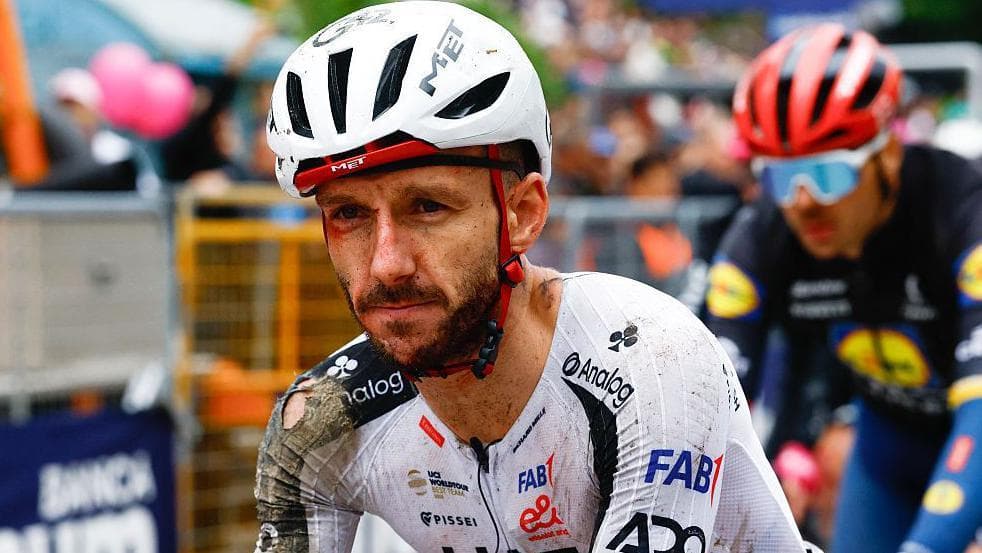
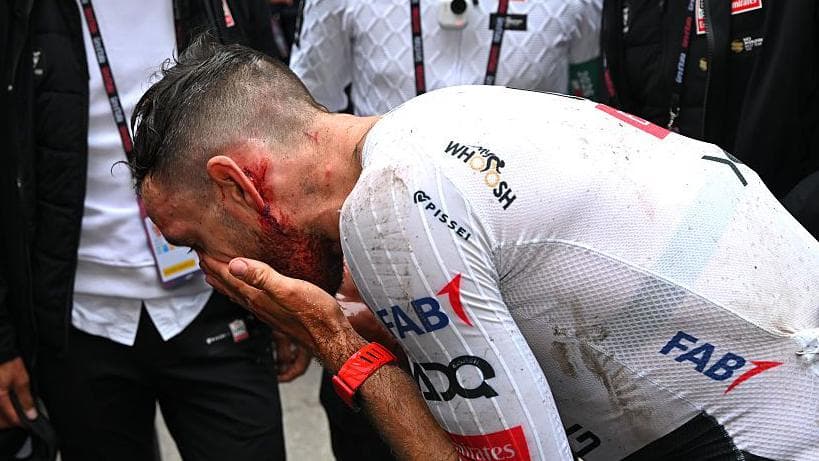
Adam Yates was forced out of the Giro d'Italia after a violent stage 2 crash left him with concussion and too badly battered to continue, a sharp reminder that Grand Tour racing still carries consequences far beyond the standings. The 33-year-old from Bury, England, will not start stage 3 after losing more than 13 minutes on the road and finishing the day bloodied after the pileup in Bulgaria.
UAE Team Emirates-XRG had built its Giro campaign around Yates, naming the British climber to lead its eight-rider lineup before the race. That plan collapsed on a 221-kilometre stage from Burgas to Veliko Tarnovo, a route that climbed 2,600 metres and finished after a fast, technical run-in. Yates, a proven general classification rider who finished third overall at the 2023 Tour de France, entered the Giro as one of the team’s key hopes for three weeks of high mountain racing.
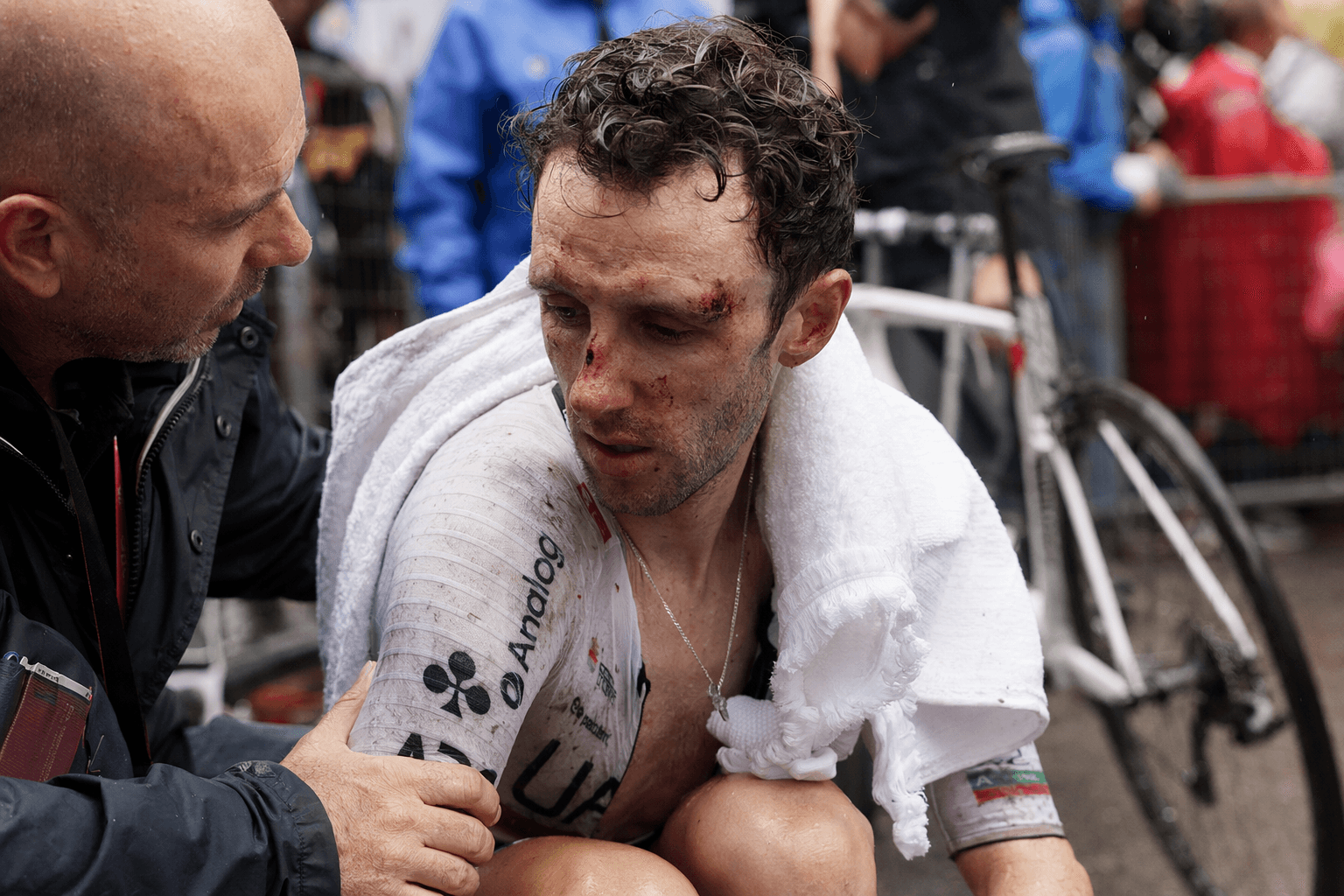
The crash struck with roughly 23 kilometres left on a wet descent and drew about 30 riders into the incident. Yates was among the worst affected, losing the time that made a recovery in the general classification impossible and then being ruled out through the sport’s concussion protocol. His withdrawal underlined how quickly a team’s ambitions can be dismantled in a single exposed section of road, especially when rain, speed and descending skill combine in a Grand Tour stage.
The damage to UAE Team Emirates-XRG did not stop with Yates. Jay Vine and Marc Soler also abandoned after the same crash, deepening the blow to the squad’s overall strategy. Later medical updates reported that Vine had suffered an elbow fracture and Soler a pelvic fracture, injuries that turned one chaotic moment into a full-scale reset for the team.
Yates’s exit also sharpened the wider question cycling keeps asking after every major crash: how much risk the sport is willing to accept as normal. The UCI’s medical rules now include a specific concussion protocol, a sign that head injuries are treated with greater seriousness than in the past. But stage 2 showed that the sport’s safeguards still begin after the crash, not before it. For one of Britain’s most accomplished climbers, with more than 30 professional victories and a Giro built around his name, the road to contention ended on a slick descent that exposed how fragile elite racing remains.
This article was produced by Prism’s automated news system from verified source data, official records, and press releases, then run through automated quality and moderation checks before publishing. The system is built and supervised by the people who set the standards it runs under. Read our full AI policy.
Know something we missed? Have a correction or additional information?
Submit a Tip