Adams County policy crossroads as 229th anniversary nears
Adams County, founded in 1797, is a largely rural Ohio River county of about 27,477 people; local policy choices shape services, representation and civic life.
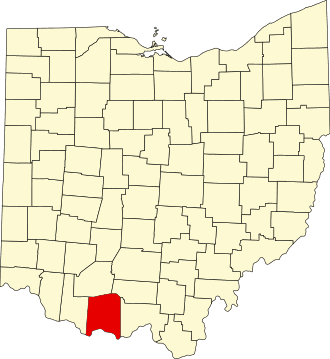
Adams County traces its formal founding to July 10, 1797 and will mark its 229th anniversary this summer. The county is anchored by its seat in West Union and includes the river towns of Manchester, the villages of Peebles and Seaman, plus numerous townships and unincorporated communities. With a 2020 census population near 27,477 and subsequent estimates adjusting that figure, Adams remains one of southern Ohio's smaller, predominantly rural counties along the Ohio River.
That demographic scale is central to current policy and governance questions. Smaller populations concentrate political power into a narrower electorate, shaping how countywide offices, school boards and township trustees are decided and how priorities for roads, emergency services and public health are funded. County government functions housed in West Union serve a dispersed geography; decisions about infrastructure maintenance, grant seeking and intergovernmental coordination will determine service levels for residents spread across farms, riverfront neighborhoods and small main streets.

Economic and environmental context also matters. Proximity to the Ohio River creates both opportunity and responsibility: river transport, recreation and local businesses sit alongside floodplain management, water infrastructure needs and cross-jurisdictional regulatory issues. Land use choices made at the township and county level will influence housing availability, agricultural viability and commercial investment in the villages and unincorporated places that define Adams County life.
Institutionally, county commissioners, the auditor, the recorder and other elected officials control budget priorities and regulatory implementation. The scale of Adams County's electorate means elected races can hinge on modest turnout shifts, so civic engagement - attending commissioner meetings, monitoring planning commission actions and participating in local elections - has outsized influence here compared with more populous jurisdictions.
For residents, the practical consequences are immediate: road repairs or school funding proposals proposed at the county level affect daily commutes and classroom resources; public health and emergency readiness influence responses to seasonal floods or public-health challenges; grant decisions and zoning determinations shape whether small businesses and farms find room to grow. Access to up-to-date demographic and land-area information, available through county resources, helps voters and civic groups make informed arguments about priorities.
The takeaway? Local government in Adams County is where many big decisions meet everyday life. Our two cents? Show up, check county resources, keep an eye on commissioner agendas and vote in local contests - in a county this size, participation moves the needle.
Sources:
Know something we missed? Have a correction or additional information?
Submit a Tip