Adopted children funneled into for-profit treatment centers, AP finds
Adopted children made up an estimated 25% to 40% of youth in residential treatment, though they are only about 2% of American children.
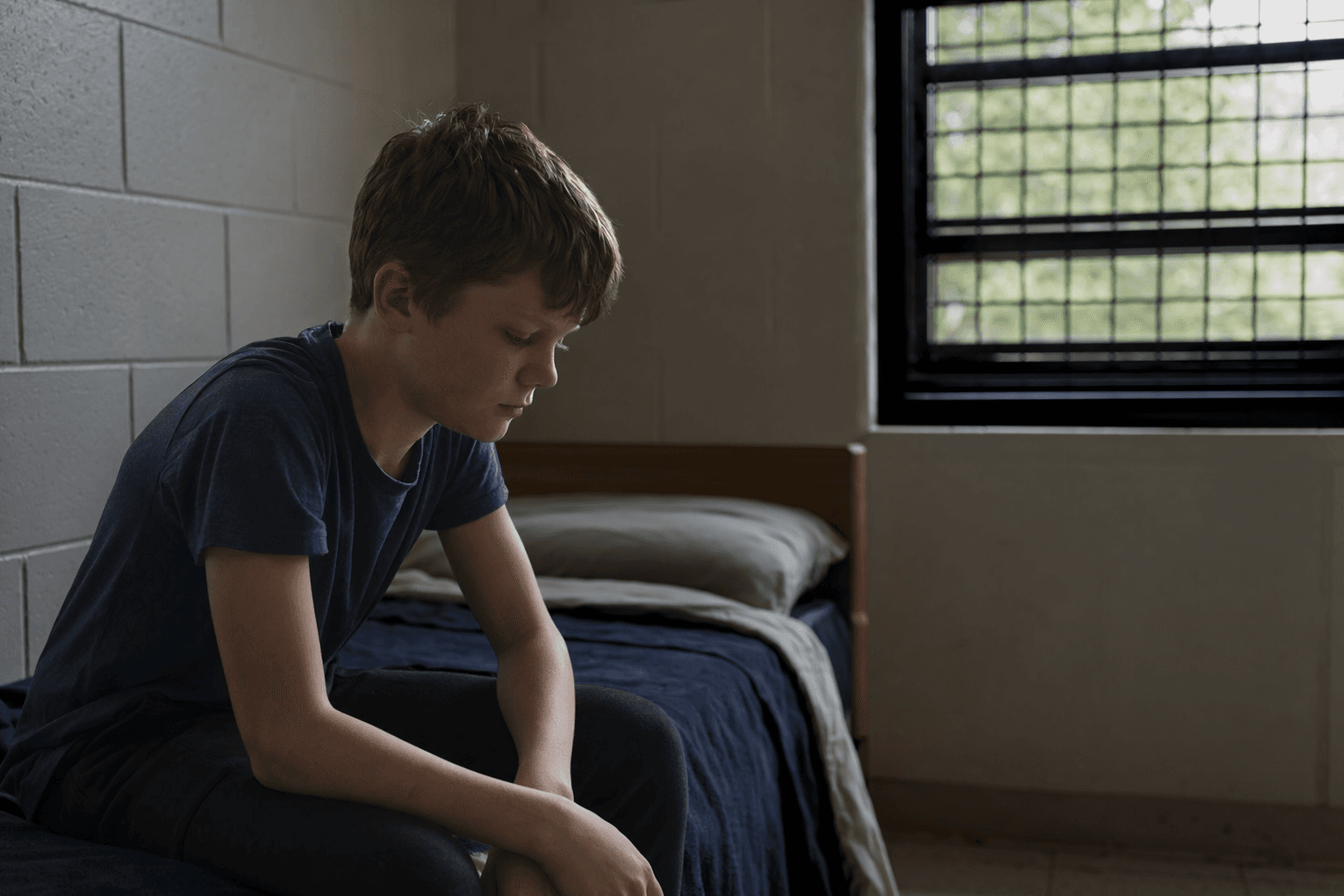
Children promised permanent families were instead funneled into for-profit residential treatment centers, landing in a hidden child-welfare pipeline where profit, weak oversight and desperation often mattered more than care. In the population most affected, adopted children make up only about 2% of American children, yet experts estimated they account for roughly 25% to 40% of children in residential treatment.
The investigation behind those findings grew from a tip tied to the Korean Adoption series and followed more than 100 public-records requests, lawsuits and company documents that had not been publicly reported. Claire Galofaro and Sally Ho traced how adoption, behavioral health and private institutional care intersected, and persuaded more than a dozen families to describe what happened after the promise of a permanent home gave way to confinement in a system built around prolonged stays, controversial diagnoses and aggressive cost-cutting.
The financial incentives were stark. A June 12, 2024 investigation by Senate Finance Committee Chair Ron Wyden said youth residential treatment facilities receive billions of dollars in federal funding, including Medicaid and child welfare money. That report examined conditions at Universal Health Services, Acadia Healthcare, Devereux Advanced Behavioral Health and Vivant Behavioral Healthcare, and said children in those facilities were subjected to physical, sexual and verbal abuse, inappropriate restraints and seclusions, unsafe and unsanitary conditions and inadequate behavioral health care. Wyden said the operating model was to warehouse as many children as possible while keeping costs low to maximize profits.
Federal watchdogs have been sounding alarms for years. The U.S. Government Accountability Office said it has reported for more than 20 years on foster children placed in residential facilities, and earlier reports described youth being maltreated and sometimes killed by staff. GAO said the use of residential facilities as foster-care placements declined from about 101,000 youth in 2002 to about 34,000 in 2022, but also warned that limited access to children and records makes monitoring especially difficult, particularly when placements are out of state.
The diagnosis pipeline also matters. Mayo Clinic says reactive attachment disorder should be evaluated through direct observation, developmental history and ruling out other psychiatric disorders, and that it is not usually diagnosed before 9 months of age. It also notes that severely institutional caregiving environments can limit opportunities to form attachments. A SAMHSA-supported 2017 Building Bridges Initiative document was created specifically to help residential leaders engage families formed through adoption, underscoring that the issue has been visible in the field for years. The result is a system in which a vulnerable child’s trauma can become a business opportunity, and the promise of adoption can be broken by the institutions meant to provide help.
This article was produced by Prism’s automated news system from verified source data, official records, and press releases, then run through automated quality and moderation checks before publishing. The system is built and supervised by the people who set the standards it runs under. Read our full AI policy.
Did this article answer your question?

