ADP: U.S. private sector added 63,000 jobs in February, beating estimates
ADP reported 63,000 private-sector hires in February, pay up 4.5% YoY; gains concentrated in a few sectors and the pay premium for switching employers hit a record low.

ADP said U.S. private-sector payrolls rose by 63,000 jobs in February, beating economist expectations of roughly 48,000 to 50,000 and marking the firm’s strongest monthly gain since July 2025. The ADP National Employment Report, produced with the Stanford Digital Economy Lab and based on anonymized payroll data for more than 26 million workers, also showed pay was up 4.5 percent year over year.
ADP identified construction and education and health services as the leaders of February hiring. The firm’s summary put goods-producing jobs up 16,000 and service-providing jobs up 47,000. Regionally, the South added 37,000 positions, the West added 19,000, the Northeast added 11,000, and the Midwest lost 4,000, according to ADP’s report.
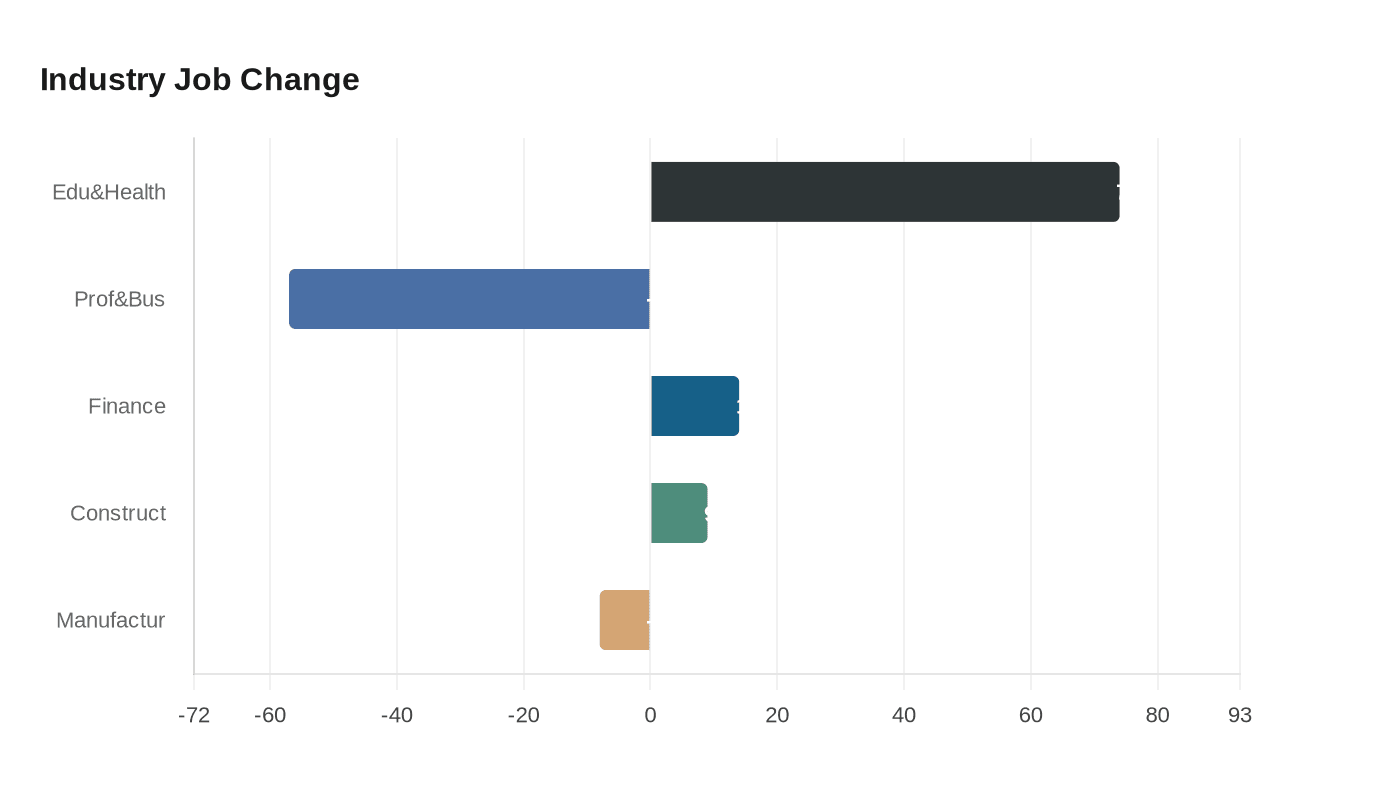
More granular industry slices on ADP’s employment site showed stark unevenness: education and health services up 74,000, professional and business services down 57,000, financial activities up 14,000, construction up 9,000, and manufacturing down 8,000. ADP cautioned that hiring remained concentrated in a handful of sectors, a pattern that limits broad-based wage pressure. “We’ve seen an increase in hiring and pay gains remain solid, especially for job-stayers,” said Dr. Nela Richardson, ADP’s chief economist. “But with hiring concentrated in only a few sectors, our data shows no widespread pay benefit from changing jobs. In fact, the pay premium for switching employers hit a record low in February.”
ADP’s pay insights, which capture more than 15 million monthly pay-change observations, showed pay growth for job-stayers at 4.5 percent year over year, unchanged from January. Pay for job-switchers rose 6.3 percent in February but fell 0.3 percentage point from the prior month, sharpening evidence that the financial incentive to change jobs has narrowed.
Markets and policymakers are likely to parse the combination of modest job gains and persistent but uneven wage growth carefully. ADP’s outperformance versus consensus economists could buoy risk assets in the near term, yet the concentration of hiring and the cooling of the switcher wage premium point to less broad inflationary pressure than headline payroll strength might imply. Economists polled by Dow Jones had expected about 48,000 jobs, and Bloomberg’s median forecast was about 50,000, figures ADP exceeded.
The data package contains internal inconsistencies across ADP materials that complicate the month-to-month picture. Media accounts reported that ADP revised January private payrolls down to 11,000, while a snapshot of ADP’s employment site listed January at plus 22,000. ADP’s press release and mediaroom flagged February’s 63,000 gain but did not reconcile the differing January figures displayed across its pages and partner coverage.
For workers and employers, the immediate takeaway is mixed. Hiring continues, but concentrated gains and a shrinking pay premium for switching jobs may reduce incentives for workers to move, moderating turnover and restraining wage-driven inflation. For the Federal Reserve and other policymakers, the pattern suggests the labor market is loosening in some respects even as headline job counts remain positive, a nuance that could affect the timing and intensity of future policy moves.
This article was produced by Prism’s automated news system from verified source data, official records, and press releases, then run through automated quality and moderation checks before publishing. The system is built and supervised by the people who set the standards it runs under. Read our full AI policy.
Did this article answer your question?

