Adult summer camps draw burnout-weary grown-ups back to nostalgia
Burnout is turning summer camp into an adult industry, where nostalgia, structure and temporary community are being sold as relief from overwork. The result is a fast-growing market built on play with a grown-up price tag.
The new adult escape economy
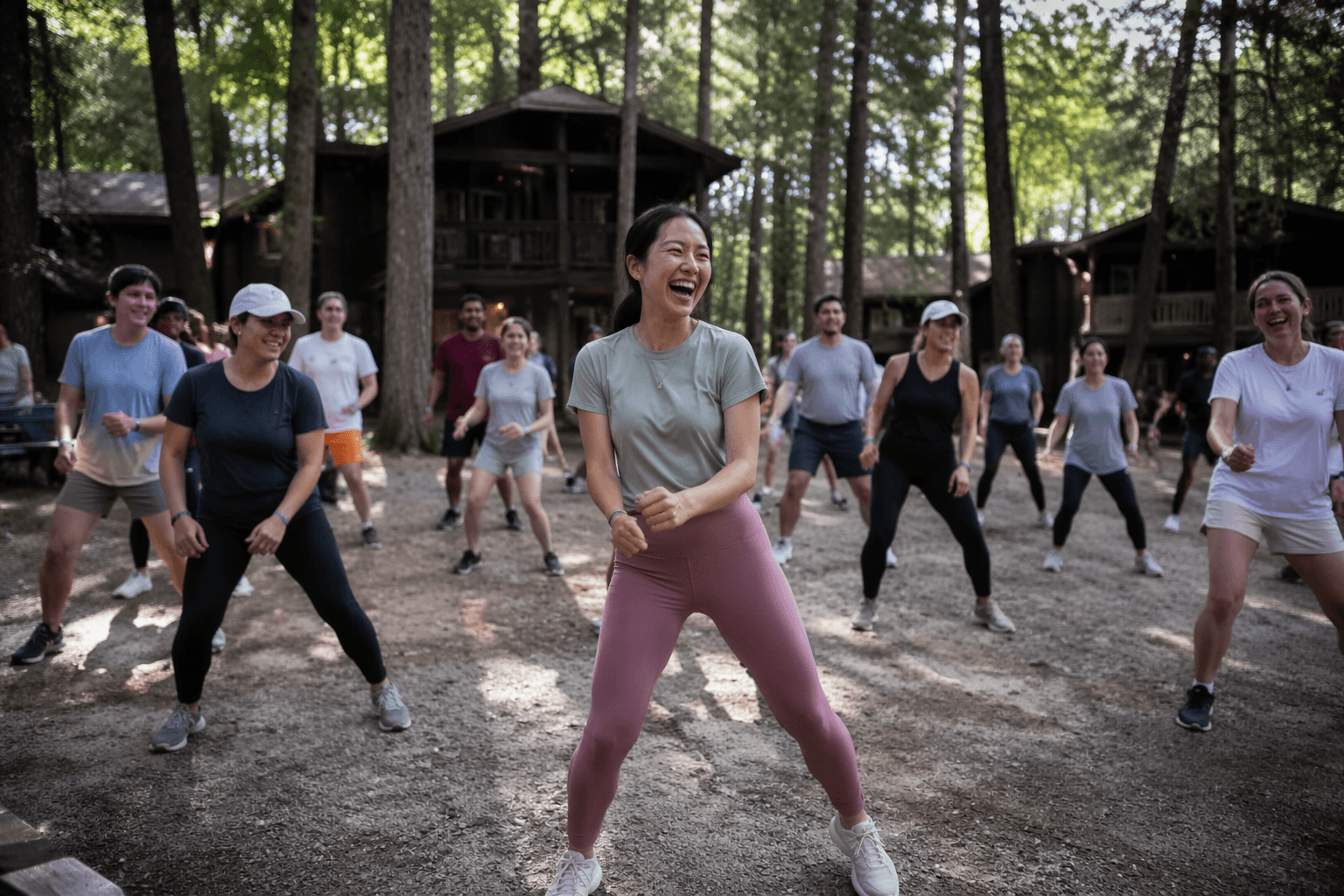
Adult summer camp has moved far beyond a novelty. What once looked like a playful throwback now reads like a direct response to burnout, loneliness and the pressure to keep performing at work and in daily life. Adults are paying for a structured pause, complete with cabins, activities and a temporary community that feels simpler than the rest of the year.
That demand has opened space for a new kind of leisure business. Time Out’s March 20, 2025 guide described adult-only camps as places where grown-ups can relive classic camp activities with an upscale twist, and the market now stretches from rustic retreats to luxury glamping. The programming is familiar in form but redesigned for paying adults: kayaking, archery, arts and crafts, mimosas or Bloody Marys at breakfast, evening cocktails and even spirits tastings.
Why nostalgia is selling now
The appeal is not just escape. Adult camp packages a very specific emotional promise: the chance to step into a version of life where schedules are lighter, social rules are clearer and fun is built into the day. Time described adult summer camps as an emerging event trend tied to adults seeking fun, community and relief from overwork and isolation, which captures why the category is expanding beyond one-off gimmicks.
That helps explain why these camps are resonating in the burnout economy. They sell structure without obligation, intimacy without long-term commitment and performance without professional stakes. For many adults, the attraction is less about pretending to be a child than about revisiting a period when community was organized around shared activities rather than inboxes and calendars.
The business model behind the nostalgia
A growing number of operators are monetizing that longing. Camp No Counselors has become one of the best-known names in the category by pitching itself as an escape from the day job, daily routines and the challenges of being an adult. The language is blunt because the product is blunt: a complete break from adult life, sold as an experience rather than a vacation.
Club Getaway in Kent, Connecticut, shows that the business is not entirely new. It has hosted weekend camp experiences for grown-ups since the 1970s, which suggests the current boom is less a sudden invention than a wider national market finally catching up to a long-running idea. What has changed is scale and visibility. What once lived as a niche retreat is now being positioned as a recognizable leisure category with a clear customer base.
What the camps actually offer
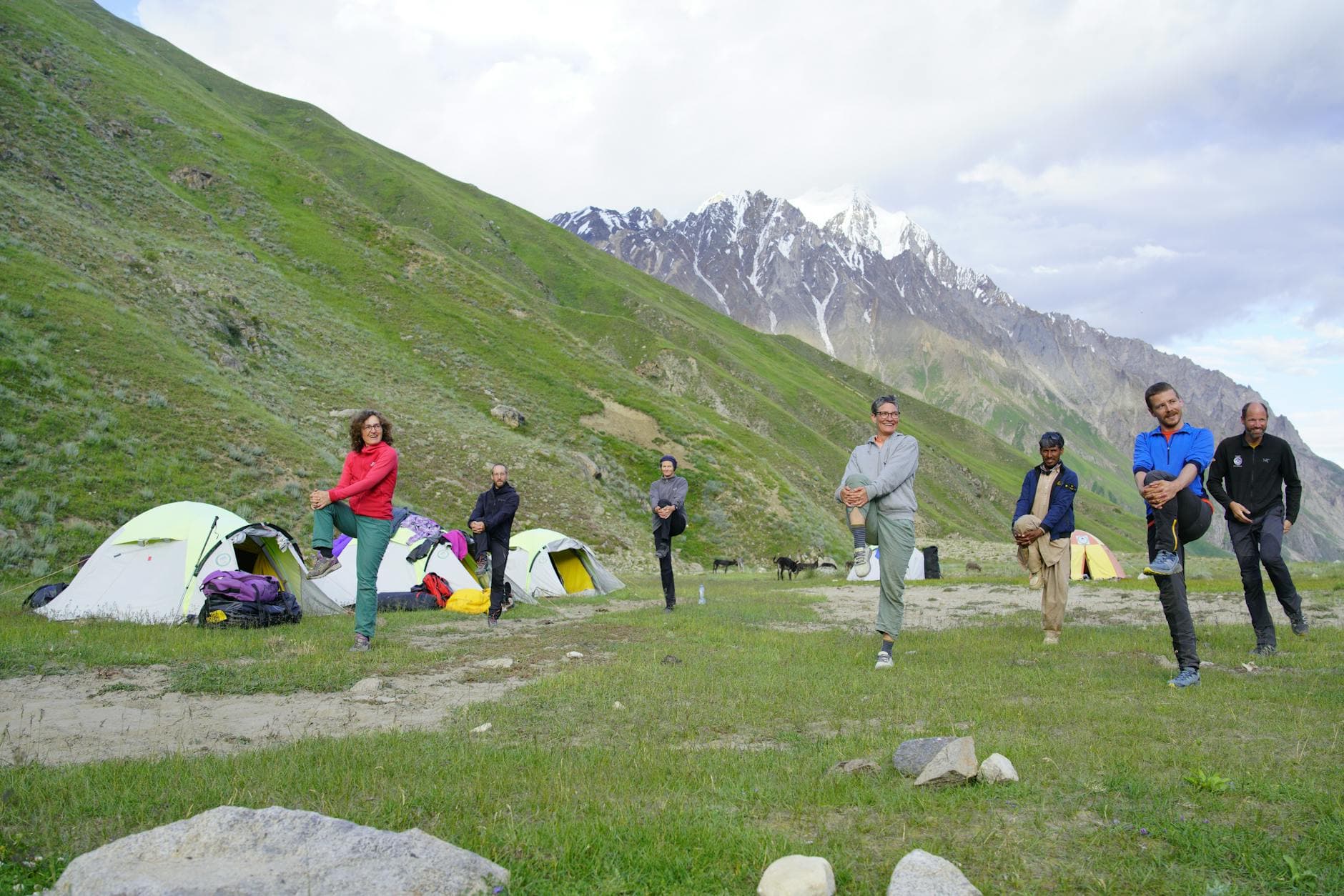
Adult camps work because they combine physical activity, social ease and a controlled amount of spontaneity. The activities are often the same ones people remember from youth, but the tone is adjusted for adults who want recreation without childlike treatment. Kayaking and archery provide movement and skill, arts and crafts invite low-pressure creativity, and the alcohol service turns downtime into a social ritual rather than a punishment.
That mix matters. It turns camp into a social product, not just an outdoor one. Adults are not only buying access to a lake, trail or craft table. They are buying a temporary world where friendliness is scheduled, meals are communal and the experience is designed to make it easy to talk to strangers.
Performing arts camp has its own adult audience
The nostalgia economy is not limited to outdoorsy retreats. In New York City, Voices Carry offers an adult musical theatre and cabaret workshop for people of all experience levels, showing how the same impulse extends into performance. For adults who once sang in school productions or dreamed of the stage, the appeal is the chance to pick that identity back up without professional pressure.
Its spring 2026 cabaret workshop carried a registration fee of $700 and ended with a May 11, 2026 performance at Triad Theater in Manhattan. That structure is revealing: the cost buys instruction, rehearsal and a live payoff, which makes the workshop feel closer to a short season of immersion than a casual class. The model is especially effective because it turns nostalgia into an event, not just a memory.
Camp Broadway shows the long tail of the idea
Camp Broadway, meanwhile, offers useful context for how durable this appetite really is. The program is celebrating its 30th anniversary in 2026, and its current offerings remain focused on children and teens, with ages 7 to 17 across listed programs such as Shining Stars, Mainstage and Ensemble. Even though it does not serve adults, its longevity underscores how deeply the camp format works for performance-minded families.
That matters because adult camp is not emerging from nowhere. It is building on a long-standing belief that concentrated, immersive experiences can create belonging quickly. Camp Broadway’s three decades of operation show that structured creative play has a dependable audience, and adult versions are now cashing in on that same emotional logic.
What the broader data says about demand
The rise of adult camps also fits a wider pattern of public interest in summer experiences and access. In May 2024, the National Summer Learning Association, the American Camp Association and Gallup partnered to survey parents of children in grades kindergarten through 12, focusing on how children spend summers and what barriers keep them from programs. Even though that survey centered on kids, it points to a broader cultural preoccupation with how summer time is used and who gets access to enriching activities.
The American Camp Association’s CampCounts 2025 survey adds another business signal. It is collecting data on camps, programs, campers, staffing, financials and facilities, which suggests the sector is treating itself less like a seasonal pastime and more like an organized industry. When operators are measuring staffing, finances and facilities, it is because demand is large enough to justify serious planning.
Adult summer camp may look playful on the surface, but the market behind it is serious. It is selling structure, community and memory to a generation of adults who are tired of improvising their rest, and it is doing so at exactly the moment when burnout has become one of the defining experiences of modern work.
This article was produced by Prism’s automated news system from verified source data, official records, and press releases, then run through automated quality and moderation checks before publishing. The system is built and supervised by the people who set the standards it runs under. Read our full AI policy.
Did this article answer your question?