Advocacy groups warn World Cup travelers face detention, profiling in U.S.
Rights groups warned World Cup visitors could face detention, profiling and invasive screening as the U.S. prepares to host 11 cities and 10 million fans.
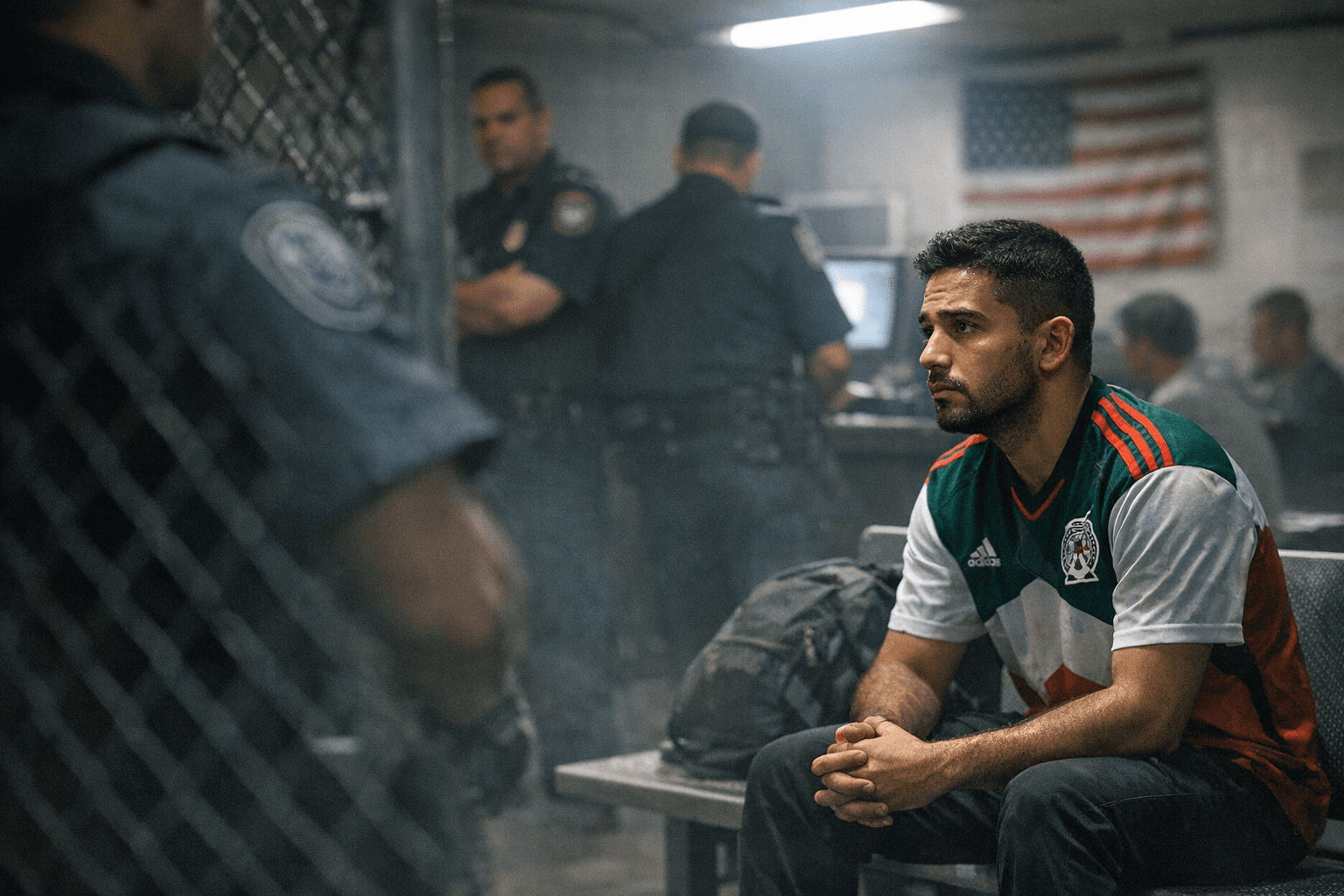
The United States is heading into the 2026 World Cup with a reputational risk that reaches beyond stadiums and scoreboards. A coalition of more than 120 civil society groups warned on April 23 that fans, players and journalists traveling to the tournament could face arbitrary detention, deportation, racial profiling, invasive social media screening and denial of entry.
The advisory lands less than two months before the opening match in Mexico City and ahead of a tournament that will bring 48 teams, 104 matches and 16 host cities across the United States, Mexico and Canada. The final is scheduled for July 19 in New York/New Jersey, and 11 U.S. host cities are set to stage matches. Rights groups said that scale means any dispute over border enforcement or surveillance could quickly become an international issue, not just a domestic one.
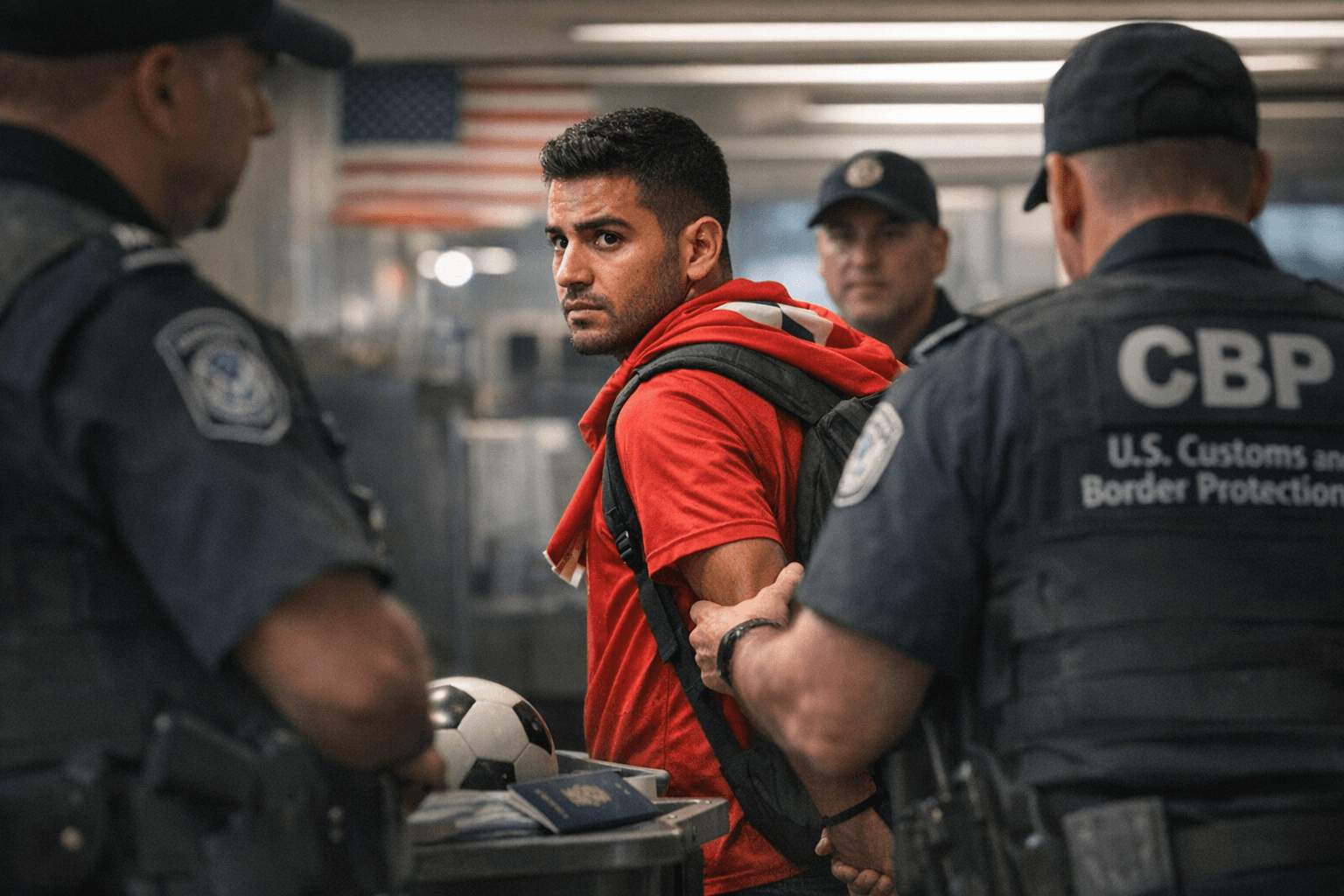
The American Civil Liberties Union said FIFA has unique leverage to press the U.S. government to respect human rights for everyone visiting and working at the event, but said football’s governing body has not offered meaningful assurances. The advisory said the tournament will unfold against the Trump administration’s immigration crackdown and what the groups described as weakened protections for racial minorities and LGBTQ people.
The coalition warned that the most vulnerable travelers are likely to be people from immigrant communities, racial and ethnic minorities and LGBTQ visitors. It urged people heading to the tournament to prepare emergency contingency plans before traveling, reflecting concerns that routine trips could turn into confrontations with border officers or other federal authorities.
The NAACP said the coalition spans all 11 U.S. host cities and warned the tournament could bring as many as 10 million visitors to those cities this summer. FIFA says it is committed to respecting all internationally recognized human rights under Article 3 of its statutes and says its 2026 human-rights framework was developed with FIFA, FWC2026 US, FWC2026 Canada and FWC2026 Mexico for the 16 host-city committees.
The White House dismissed the warnings as scare tactics. Spokesperson Davis Ingle said the World Cup will be one of the greatest and most spectacular events in history and will attract millions of fans from around the world to 11 host cities across America. But civil rights groups say the gap between that promise and the reality of immigration enforcement could define how the world sees the U.S. as it prepares to host one of sport’s biggest stages.
This article was produced by Prism’s automated news system from verified source data, official records, and press releases, then run through automated quality and moderation checks before publishing. The system is built and supervised by the people who set the standards it runs under. Read our full AI policy.
Did this article answer your question?
.jpg&w=1920&q=75)