Afghan U.S. allies in Qatar face Congo resettlement or Taliban return
More than 1,100 Afghan allies in Qatar now face Congo or a Taliban return after the U.S. missed its own March deadline to move them.
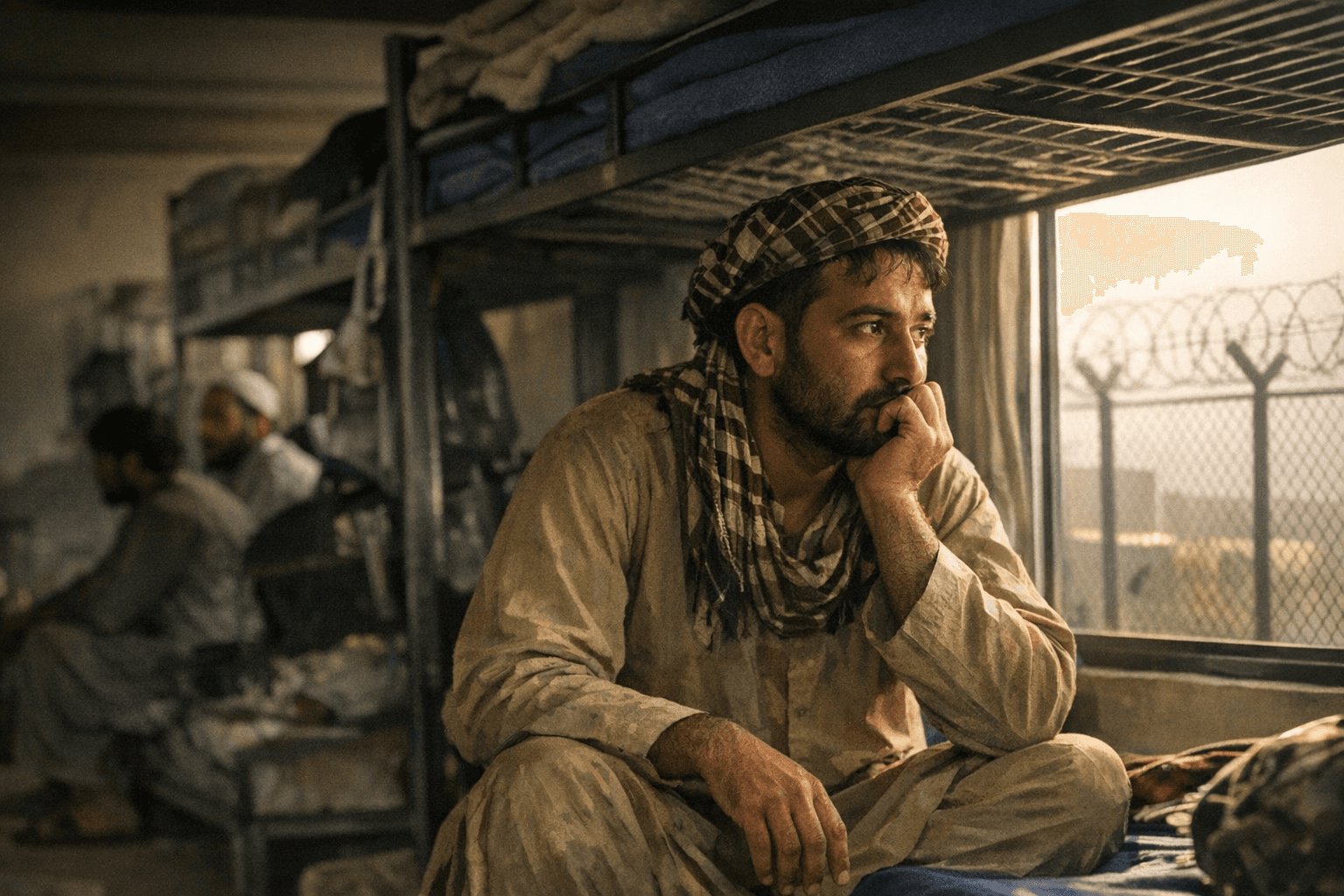
The United States once promised these Afghan allies a path to safety. Instead, more than 1,100 people who helped American forces are still stranded in Qatar, facing what advocates describe as a choice between resettlement in the Democratic Republic of Congo or return to Taliban-controlled Afghanistan.
The group is housed at Camp As Sayliyah, a former U.S. Army base outside Doha that was used to complete immigrant visa processing for entry into the United States. It includes former members of Afghan special operations forces, relatives of U.S. citizens, family members of U.S. servicemembers and people who worked for U.S.-funded organizations during the 20-year war. Advocates say more than 460 children are among them, along with about 150 immediate family members of active-duty U.S. servicemembers.
The visa pipeline stalled after the Trump administration took office in January 2025, and the State Department briefed Congress on Jan. 14, 2026 that everyone at Camp As Sayliyah would be moved to third countries by March 31. That deadline passed with the residents still in place. #AfghanEvac says all 1,100 have already been vetted for resettlement, making the current limbo especially difficult to justify.
The State Department has said it is considering “voluntary resettlement” from the Qatar camp, but it has not confirmed Congo as the destination. Advocates say some Afghans have been told the practical choice is Congo or return to Afghanistan, where they fear arrest, imprisonment or death under the Taliban. The dispute has sharpened into a test of whether the United States will honor commitments made to people who risked their lives alongside American forces.
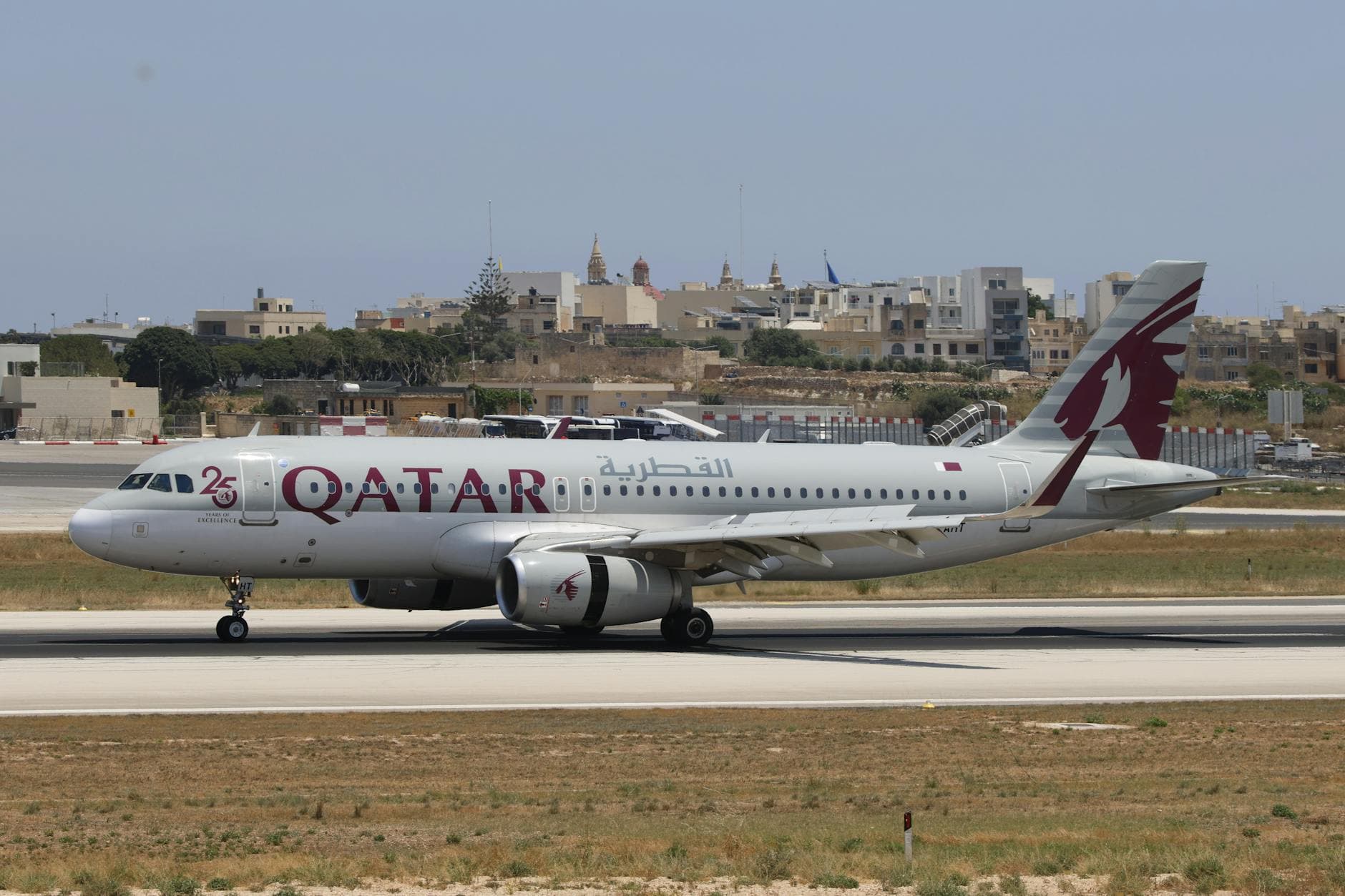
The Congo option has drawn the sharpest alarm. #AfghanEvac says the country is already hosting more than 600,000 refugees and is facing active armed conflict and chronic insecurity. Shawn VanDiver, who leads the group, said he was briefed on the Congo plan and called it unacceptable. Gregory Meeks and Sydney Kamlager-Dove said the proposal could put lives at risk and undermine U.S. credibility. Cornell historian David Silbey said sending Afghan allies to Congo would be a betrayal and a terrible precedent for future alliances.
The wider context is a U.S. evacuation and resettlement effort that brought roughly 190,000 to 200,000 Afghans to the United States after the Taliban takeover in August 2021. More than four years after Kabul fell, the people left behind in Qatar are a measure of how quickly wartime promises can be weakened by bureaucracy, delay and shifting political will.
This article was produced by Prism’s automated news system from verified source data, official records, and press releases, then run through automated quality and moderation checks before publishing. The system is built and supervised by the people who set the standards it runs under. Read our full AI policy.
Did this article answer your question?

