Afghan U.S. ally dies in ICE custody after allergic reaction
An Afghan father of six who served with U.S. Special Forces died in ICE custody a day after detention, after an allergic reaction triggered anaphylaxis.
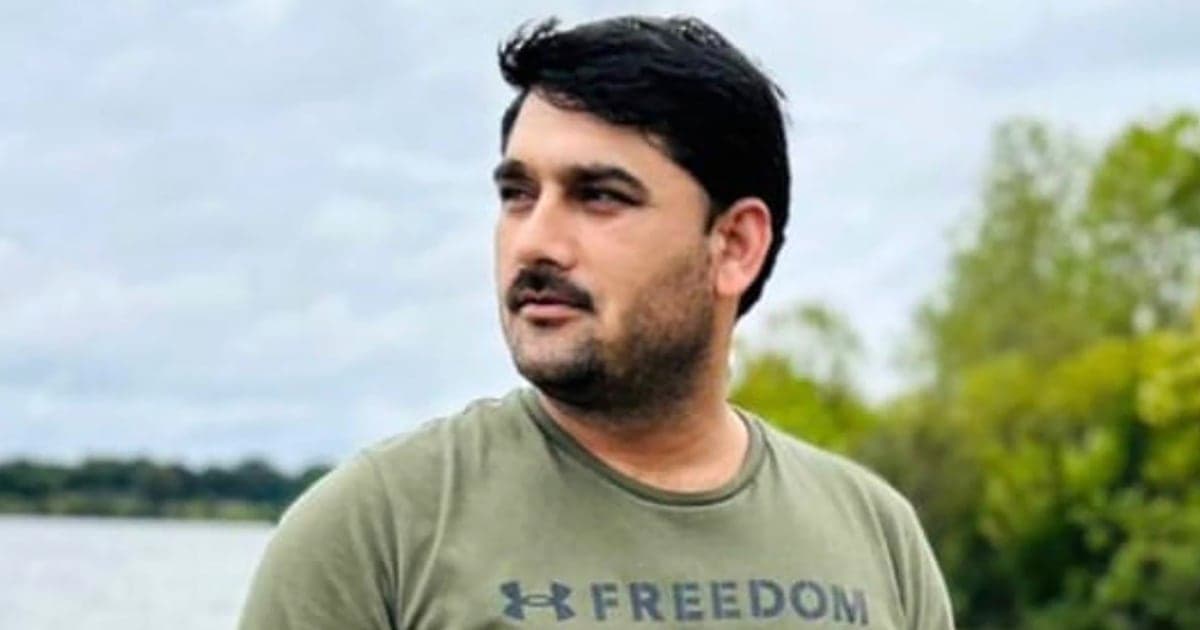
Mohammad Nazeer Paktiawal, a 41-year-old Afghan national who worked alongside U.S. forces, died in Immigration and Customs Enforcement custody in the Dallas area after being detained one day earlier for deportation proceedings.
A death certificate later described the cause as an adverse drug reaction to an unidentified substance that triggered anaphylaxis and worsened his asthma. The sequence has put ICE’s handling of medical emergencies and vulnerable detainees back under scrutiny, especially when the person in custody is someone who once aided the American military effort in Afghanistan.
Paktiawal had been evacuated to the United States in 2021 after the fall of Kabul, according to AfghanEvac. The group said he had served alongside U.S. Army Special Forces in Paktika province beginning in 2005, was married, and was the father of six children. One of his children is a U.S. citizen. AfghanEvac said he lived in Richardson, Texas, and worked in the Dallas area.
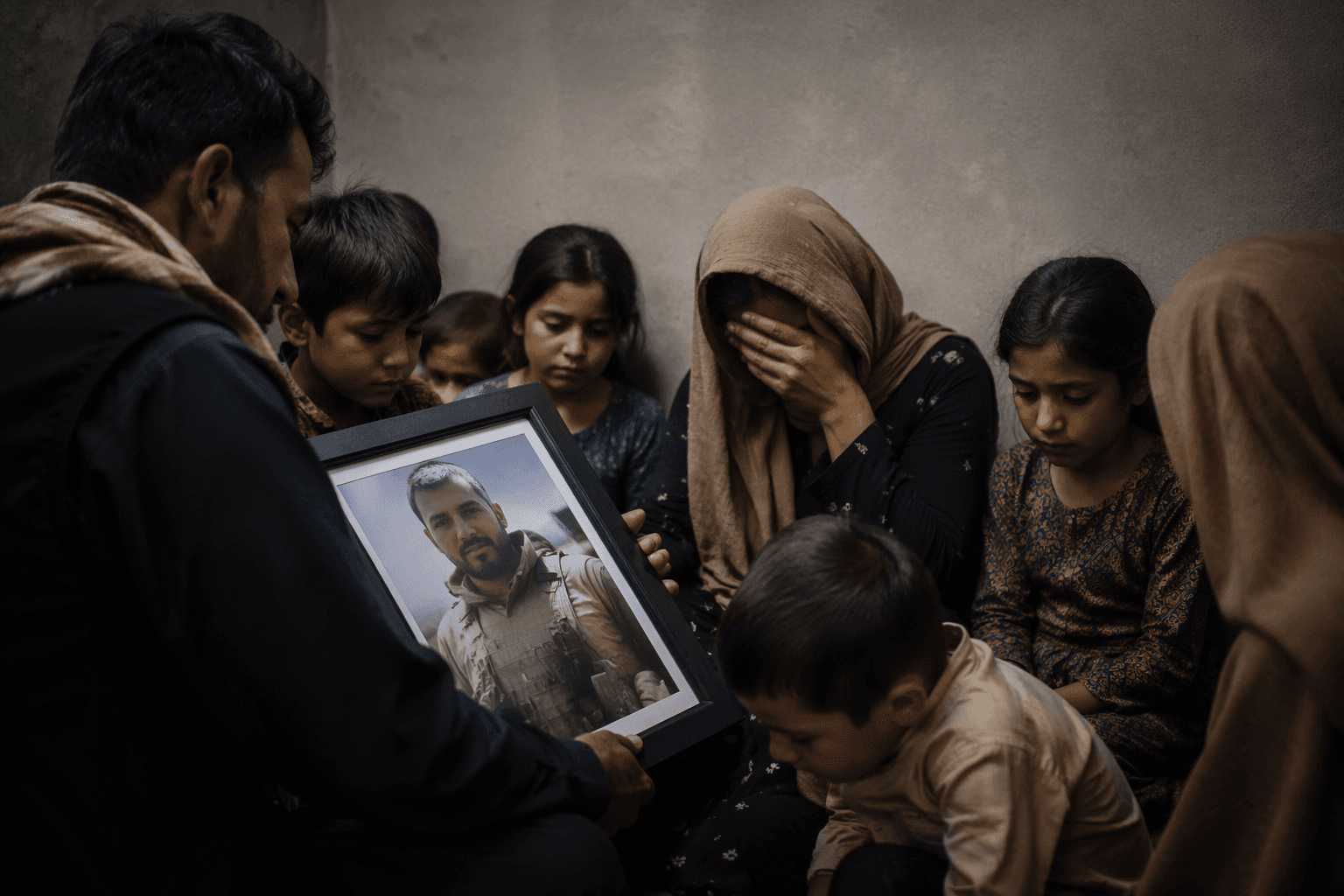
Texas Public Radio reported that Paktiawal was taken outside his Richardson home while he was preparing to take four of his children to school. CBS Texas reported that his family said he was in the country legally. The arrest, the family’s account, and his military service to U.S. forces turned his death into more than a routine custody case; it became a test of how the government treats wartime allies once they are inside the immigration system.
ICE says Congress requires the agency to make public reports on in-custody deaths within 90 days, a rule that is meant to create basic transparency after fatal incidents. The Department of Homeland Security Office of Inspector General said in June 2026 that it was evaluating detainee deaths in ICE custody from Oct. 1, 2021, through March 31, 2026, citing the fact that deaths had increased each year since fiscal 2022.

The case also lands in the middle of a broader rise in detention deaths. ICE had recorded 14 detainee deaths so far in 2026 by March 30, and that count had risen to 16 by early July. Against that backdrop, Paktiawal’s death raises a hard question for immigration officials: whether this was a single medical failure or another sign that the system is not built to protect the health of the people it detains, including Afghans who once served American troops.
This article was produced by Prism’s automated news system from verified source data, official records, and press releases, then run through automated quality and moderation checks before publishing. The system is built and supervised by the people who set the standards it runs under. Read our full AI policy.
Did this article answer your question?