Aficionados impulsan el color del Mundial 2026 en una jornada histórica
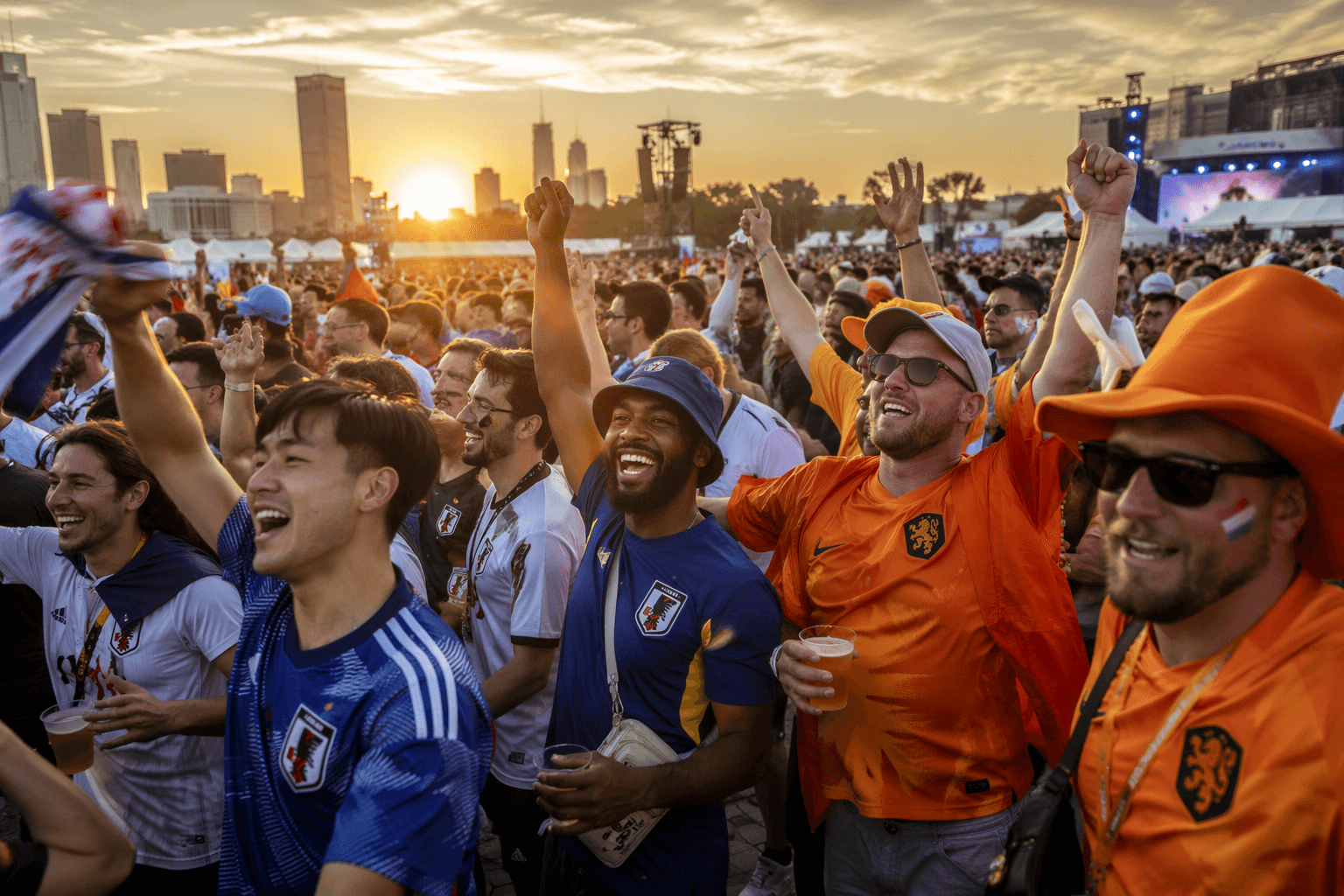
Germany, Curaçao, Japan and the Netherlands turned the World Cup stands into a global convoy, as FIFA’s 13 fan festivals widened the tournament beyond the stadiums.
A wave of black, red and gold, Caribbean flags, and other colors filled the stands around the FIFA World Cup 2026, turning matchday into a portrait of how global the tournament has become. Supporters of Germany, Curaçao, Japan, the Netherlands, Ecuador and Ivory Coast brought the noise and the traveling support that now define the competition as much as the football itself.
The scene matched the scale of the event. The 2026 World Cup is the 23rd edition of the tournament, but the first to feature 48 teams and three host countries, Canada, Mexico and the United States. FIFA has also promised the biggest line-up of fan events in World Cup history, with 13 FIFA Fan Festival sites designed to extend the experience far beyond the stadium gates.
That expansion matters because the crowds are no longer made up only of local spectators. In Houston Stadium on June 14, Germany opened Group E against Curaçao, a debutant that has become one of the tournament’s most striking stories. FIFA says Curaçao is the smallest nation by population ever to play a World Cup, with a little more than 150,000 people, and its qualification created a rare scene for a country of that size: a first appearance on football’s biggest stage, backed by fans ready to make noise in a global crowd.
Curaçao’s place in the tournament has also given the World Cup a new diaspora storyline. Livano Comenencia said the team is “making history” and that the qualification will go into the record books, a reminder that World Cup emotion is often carried as much by communities abroad as by the country itself. In a tournament spread across three host nations, those supporters are shaping the atmosphere in Houston, Philadelphia and other host cities, bringing the colors of smaller football nations into a competition dominated by established powers.
Ecuador’s Group E opener against Ivory Coast at Philadelphia Stadium on June 14 added another layer to that mix. Germany, Curaçao, Ivory Coast and Ecuador form one of the most closely watched groups of the tournament, precisely because it combines a traditional power, a historic debutant and teams whose supporters travel well and turn stadiums into loud, visible celebrations.
Japan and the Netherlands were also part of that same matchday backdrop, with their fan bases adding to the sense that the 2026 tournament is being played in two places at once: on the pitch, and in the stands. FIFA’s 13 fan festivals, with matches on giant screens, local experiences and appearances by artists and FIFA Legends, are set to amplify that effect even further as the tournament moves deeper into group play.
This article was produced by Prism’s automated news system from verified source data, official records, and press releases, then run through automated quality and moderation checks before publishing. The system is built and supervised by the people who set the standards it runs under. Read our full AI policy.
Know something we missed? Have a correction or additional information?
Submit a Tip