AFP finds viral images of U.S. soldiers in Iran were AI-generated
AFP concluded images claiming U.S. soldiers captured in Iran were fabricated with Google Gemini, exposing how generative AI accelerates wartime misinformation.
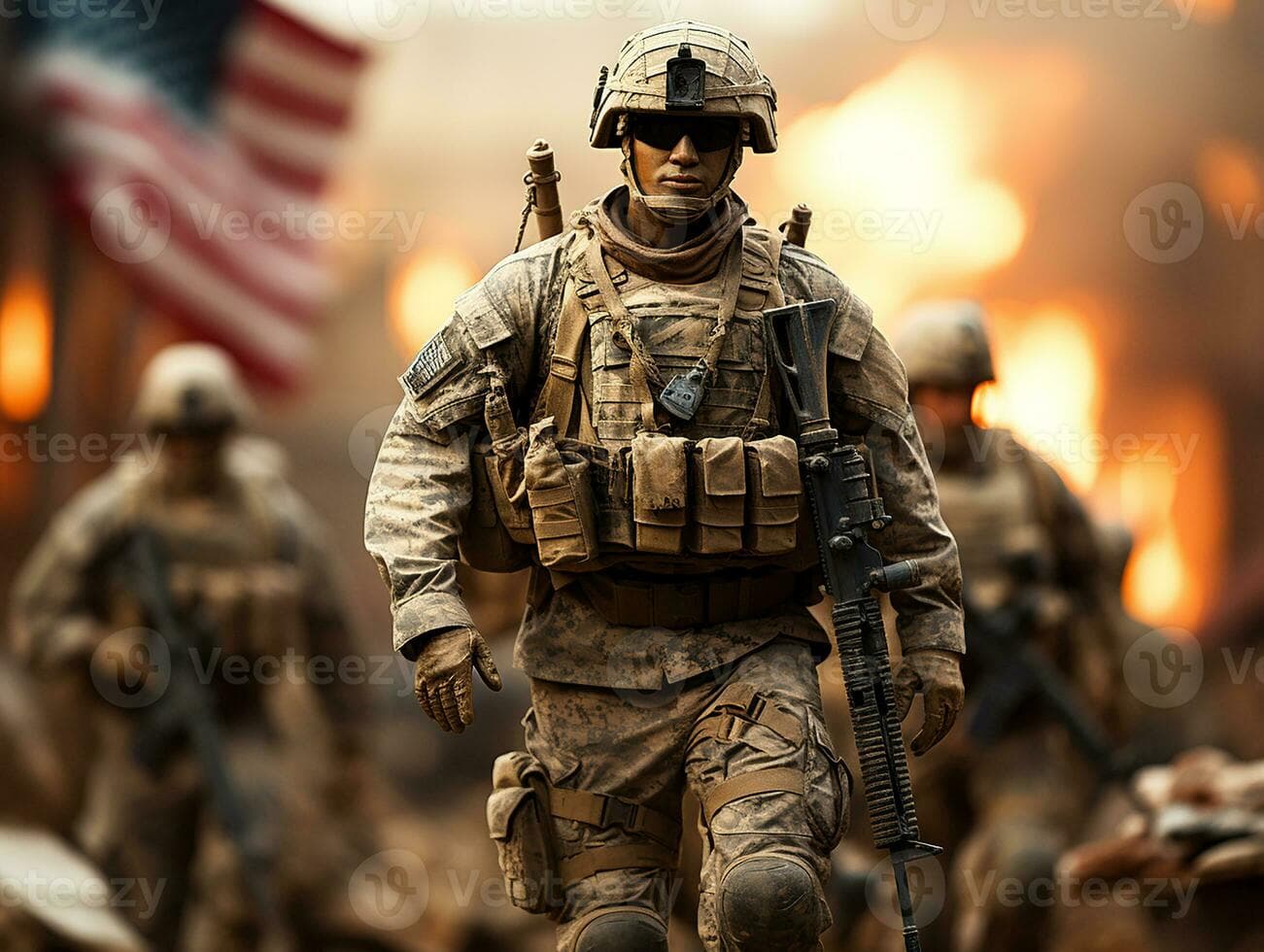
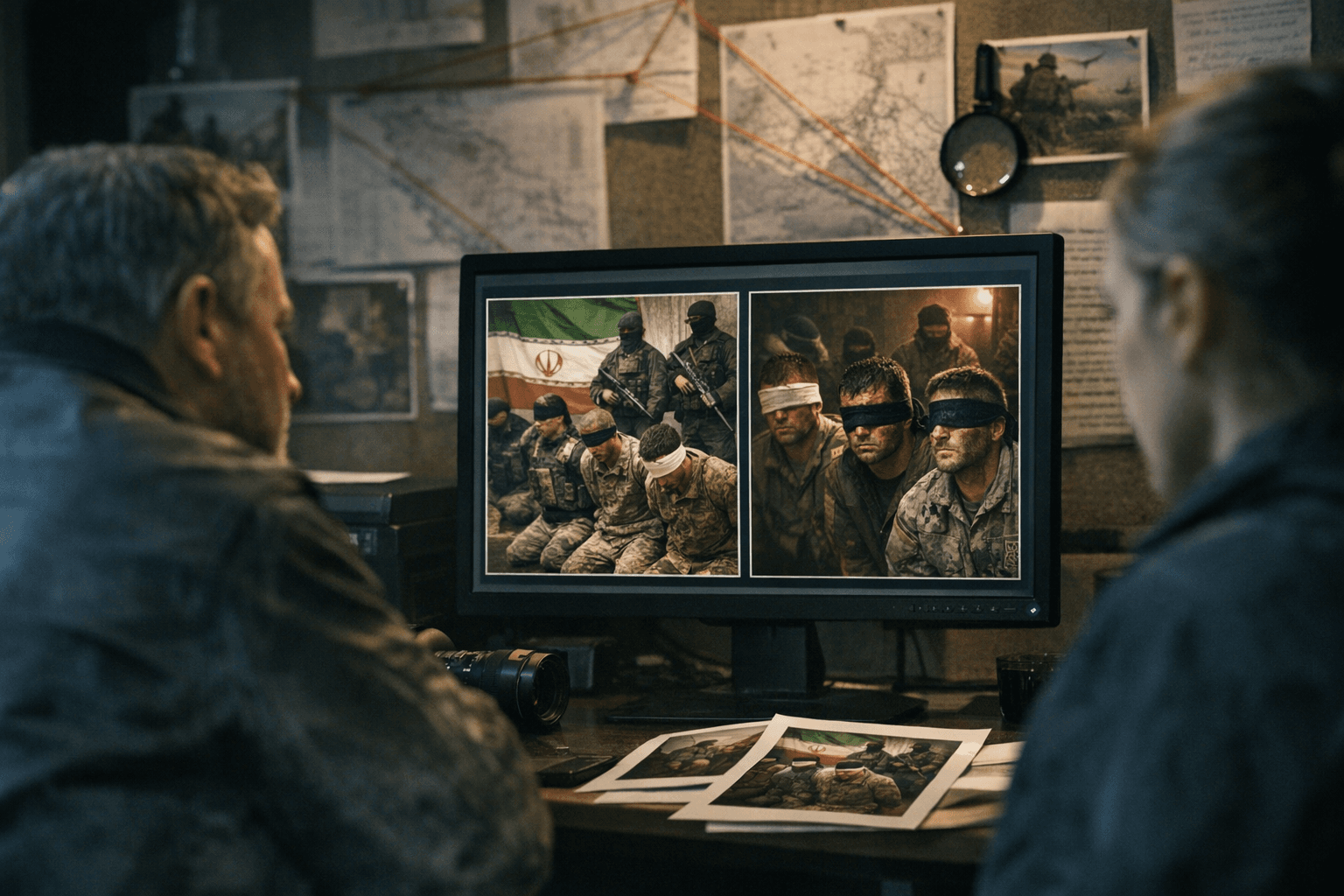
Agence France‑Presse's digital investigations team concluded that images and short clips purporting to show American soldiers captured in Iran were fabricated and, in many cases, generated or heavily altered using artificial intelligence. AFP published its fact‑check on March 6, 2026, after identifying technical markers on the visuals that indicate synthetic origin.
AFP's analysis flagged a visible, sparkle‑shaped watermark in the lower right corner of the images, which the agency identified as the Gemini watermark for Google’s AI tool. "Each of the images AFP examined contains the signature" sparkle‑shaped watermark, the fact‑check notes. Reverse image searches also returned platform detections. "Reverse image searches in Google also yielded results confirming the visuals to be made with Google Gemini, which detected SynthIDs … attached to all three of them," AFP reported, referring to the invisible watermarks Google says are designed to identify content generated or edited with its AI tools.
Visual anomalies reinforced the digital forensic signals. AFP highlighted malformed fingers, blurred faces, inconsistent camouflage patterns and non‑matching uniform patches across subjects, and a background figure in one image that appears to have three arms. Taken together, the watermark, SynthIDs and generative artifacts led AFP to conclude the images were fake.
The images spread rapidly across X, Facebook and Threads and circulated in multiple languages. A March 3 post on X read: "Breaking: U.S. Delta Force troops are in the custody of the Iranian Revolutionary Guard." Some social posts amplified additional, unverified narratives, including versions that tied the pictures to an alleged January operation to capture Venezuela's Nicolás Maduro. Those claims are distinct from AFP’s technical finding about the images’ synthetic origin.
The episode underscores a broader pattern in which images of soldiers are repurposed, miscaptioned or falsified during international crises. Separate verifications have found unrelated photographs reused as purported contemporary evidence in other conflicts. One review determined a widely shared collage did not show victims of a recent drone attack but instead matched photographs of soldiers killed in Jordan in 2016. Another case involved an Amharic‑language account that circulated an outdated image claiming members of the 51st Regiment had been destroyed in a battle in Gondar; that post received measurable engagement before being debunked.
For policymakers and platform operators, the AFP finding highlights two immediate challenges. First, generative AI can produce visually convincing yet false material that spreads across social networks in multiple languages within hours. Second, detection tools such as visible watermarks and SynthIDs can aid verification but depend on platform cooperation, user awareness and consistent deployment by AI developers and social networks.
The misuses carry real strategic risk. Fabricated images can inflame public opinion, complicate diplomacy and create pressure for hurried political responses. As governments and regulators consider rules for AI transparency, the AFP technical markers offer a practical lever: visible provenance signals and machine‑readable identifiers could be required standards for generative tools, and platforms should integrate such metadata into moderation workflows.
AFP’s digital investigation provides a clear, technical verdict on these specific images: they are fake and AI‑generated. The decision now shifts to platforms, AI firms and policymakers to make those provenance signals reliable and visible before synthetic content further distorts public debate in moments of international tension.
This article was produced by Prism’s automated news system from verified source data, official records, and press releases, then run through automated quality and moderation checks before publishing. The system is built and supervised by the people who set the standards it runs under. Read our full AI policy.
Did this article answer your question?