Africa CDC warns Congo Ebola outbreak could become worst ever
Africa CDC warned Congo’s Ebola surge could become the worst ever as confirmed cases climbed to 837 and 196 deaths across three provinces.
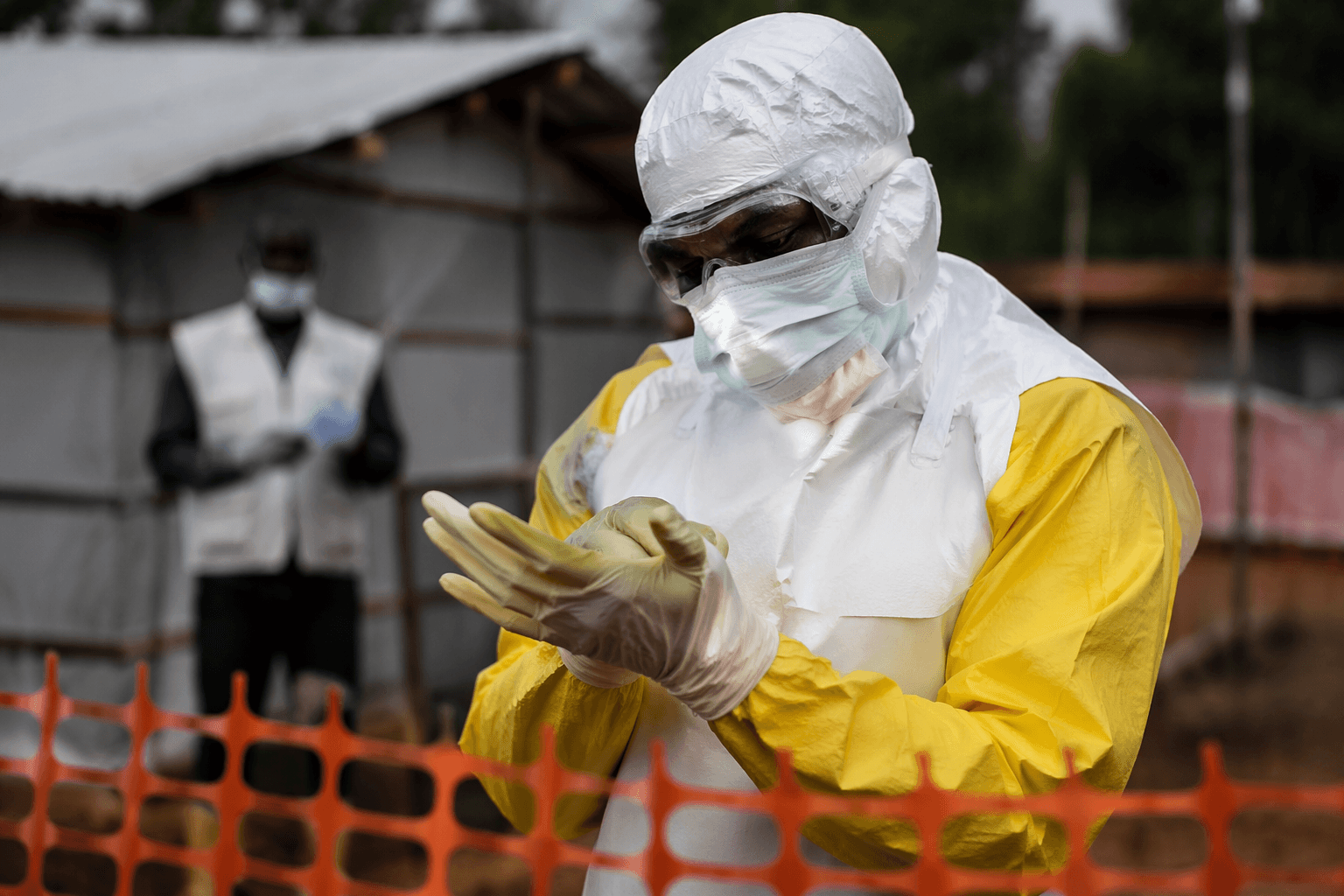
Congo’s Ebola outbreak is moving faster than responders can contain it, and Africa CDC’s Jean Kaseya warned that the crisis could become the worst ever if the gaps in surveillance, tracing and treatment are not closed quickly. By June 16, the virus had spread across Ituri, Nord-Kivu and Sud-Kivu provinces, with confirmed cases in the Democratic Republic of the Congo rising to 837 and deaths to 196, a pace that has sharpened fears of a wider regional emergency.
The strain driving the outbreak is Bundibugyo virus disease, which the World Health Organization confirmed in May in both the Democratic Republic of the Congo and Uganda. WHO says there is no vaccine or specific treatment for it, leaving health teams to rely on rapid detection, isolation, contact tracing and community cooperation. The agency has also described the outbreak as unfolding amid a humanitarian crisis, in remote and densely populated areas, with insecurity and heavy population and trade movement complicating every step of the response.
That combination makes the outbreak especially dangerous. The first clusters in the Congo were identified among health care workers, a sign that hospitals and clinics were already exposed before transmission was fully understood. WHO said it was scaling up surveillance, contact tracing, clinical preparedness, supplies, community engagement and cross-border preparedness, but the numbers have continued to climb. As of May 29, WHO had reported 906 suspected cases and 223 suspected deaths in the Congo, along with 134 confirmed cases across both countries, including nine in Uganda and 18 confirmed deaths overall. By June 10, the Harvard Humanitarian Initiative said Congo had reached 676 confirmed cases and 136 confirmed deaths, with Uganda reporting 19 confirmed cases and one death by June 12.

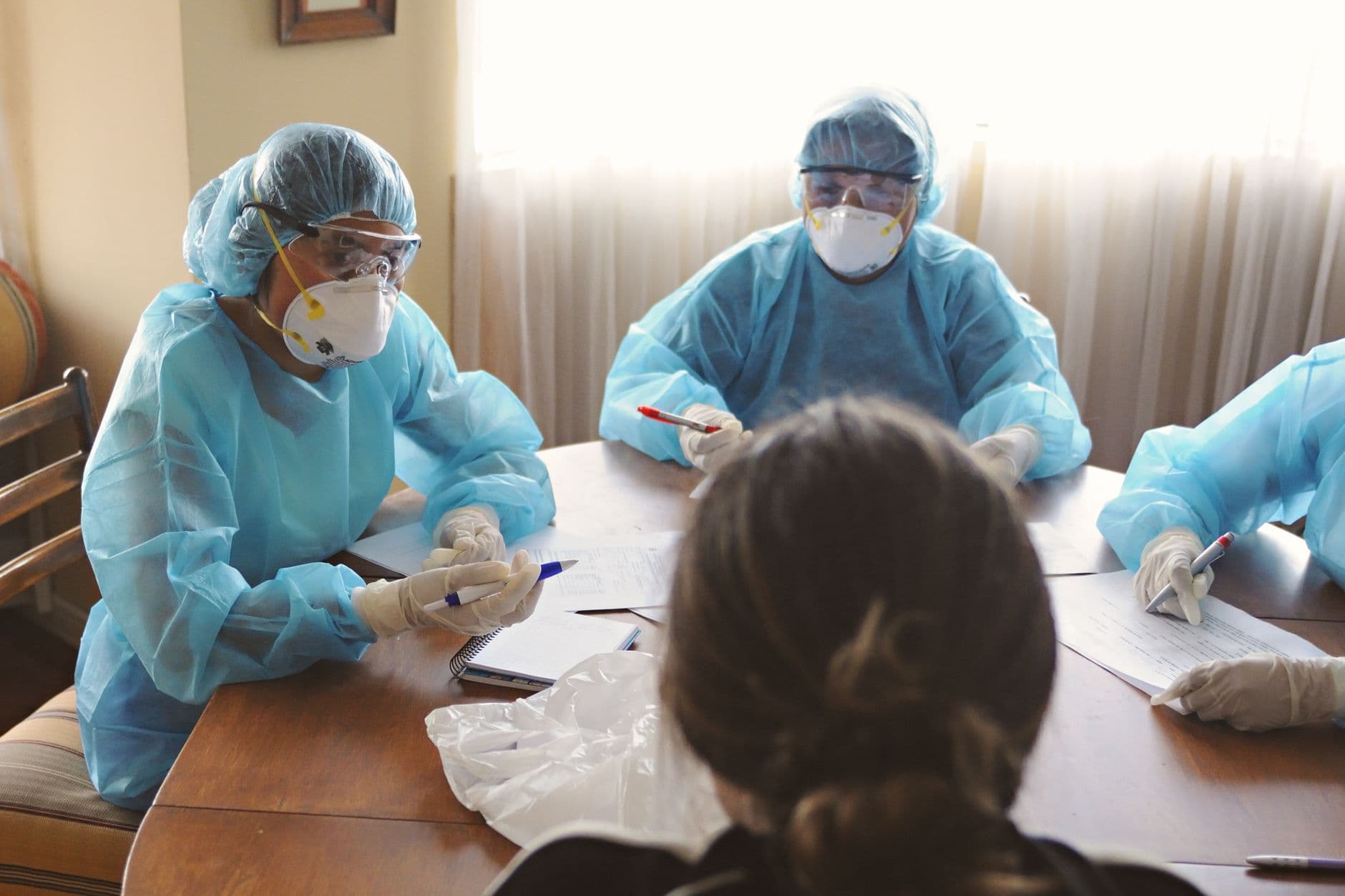
The warning carries a broader lesson for global health security. Ebola does not remain local when surveillance is weak, burial practices are contested, and responders cannot move safely or quickly enough to break chains of transmission. The disease spreads through body fluids, including after death, which makes community trust and safe burials as important as hospital care. Officials familiar with the response say the epidemic had not yet peaked, and that delay now could mean far higher costs later. The Centers for Disease Control and Prevention said the overall risk to the American public and travelers remains low, but the Congo outbreak is another reminder that delayed intervention abroad can become a wider international threat.
This article was produced by Prism’s automated news system from verified source data, official records, and press releases, then run through automated quality and moderation checks before publishing. The system is built and supervised by the people who set the standards it runs under. Read our full AI policy.
Did this article answer your question?


