Africa’s growing middle class is reshaping travel and leisure
Africa’s middle class is turning regional travel into a marker of identity, but visas, air links and cost still decide who gets to move.

A new map of African leisure
Across Africa, travel is becoming less of an occasional luxury and more of a statement about belonging. A larger, more urban and more digitally connected middle class is using domestic and regional trips to define leisure on its own terms, from city breaks and beach weekends to safaris and cross-border family visits. That shift is changing not only where people go, but how they see the continent itself: less as a place to leave and more as a place to explore.

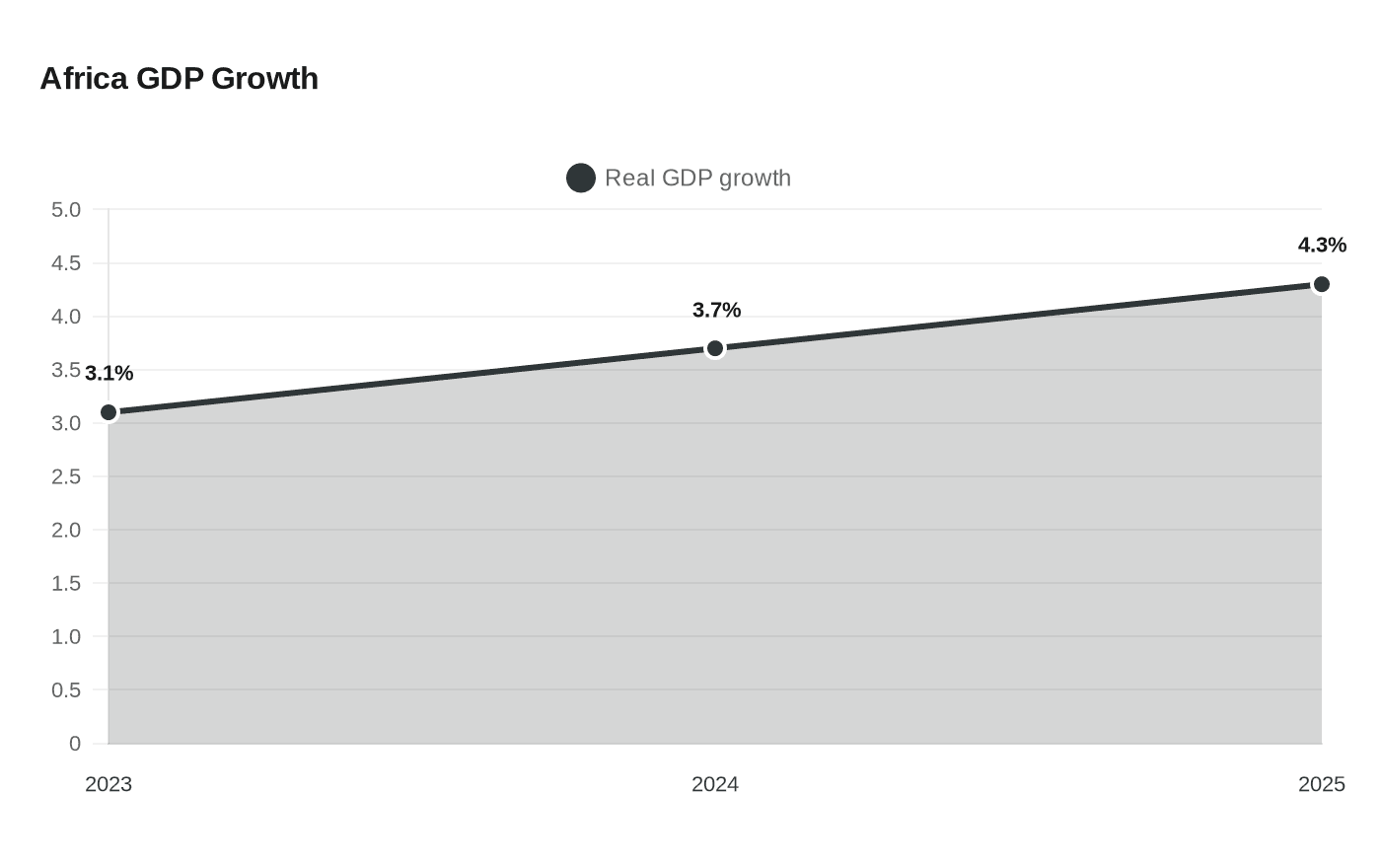
The economic backdrop matters. The African Development Bank projected real GDP growth of 3.7 percent in 2024 and 4.3 percent in 2025, after an estimated 3.1 percent in 2023. In an earlier market brief, the bank estimated about 180 million Africans were in the middle class and said consumer spending had already reached an estimated $680 billion in annual expenditures in 2008. Put simply, a consumer base that is larger, spending more, and increasingly mobile is reshaping demand for travel and leisure.
Why travel now signals identity as well as income
For many Africans in the growing middle class, travel is no longer only about relaxation. It has become a way to challenge older stereotypes about the continent by showing that African cities, coastlines and national parks can compete as destinations in their own right. Regional travel also allows people to build cultural familiarity across borders, turning leisure into a form of informal pan-African connection.
That matters because travel patterns reveal social change as clearly as spending does. A younger, more connected professional class is choosing experiences over possessions, and the rise in short breaks and repeat travel suggests that mobility itself is becoming part of middle-class identity. In that sense, the trip is not just the destination. It is the evidence of a continent where more people can imagine movement as normal, affordable and aspirational.
The policy push for freer movement
This change is unfolding alongside a broader policy debate about mobility. The African Union’s Free Movement of Persons and African Passport initiative is designed to remove restrictions on Africans’ ability to travel, work and live within the continent. The AU says the goal is not only easier movement, but also stronger intra-African trade, commerce and tourism, along with pan-African identity, social integration, trans-border infrastructure and shared development.
The political ambition is clear, but the execution remains uneven. In February 2025, the African Union and the African Development Bank released the ninth Africa Visa Openness Report and described a mixed picture for mobility. A later AU statement said visa restrictions remain one of the biggest barriers to intra-African trade, even as countries such as Rwanda, The Gambia, Seychelles, Benin and Ghana have adopted more open visa policies. The contrast is telling: the direction of travel is toward openness, but the continent still moves at different speeds.
For travelers, that means the experience of “Africa” is still fragmented by rules that change from one border to the next. For policymakers, it means mobility has become a test of whether regional integration is real in daily life, not just on paper.
Tourism is recovering, and Africans are part of the market
The rebound in global tourism has given these trends fresh momentum. UN Tourism said Africa received 74 million international tourist arrivals in 2024, 12 percent more than in 2023 and 7 percent above 2019 levels. North Africa led the recovery, running 22 percent above pre-pandemic levels. Globally, international tourist arrivals reached about 1.4 billion in 2024, a sign that the sector had nearly returned to full strength.
This recovery is changing the competitive landscape for African destinations. The World Bank said travelers in 2024 were spending about one extra day on vacation, especially to lower-cost destinations, and were prioritizing experiences. That favors places that can offer value, flexibility and memorable activities, which is precisely where many African destinations have an edge. Beaches, wildlife, food, urban culture and short-haul regional routes all fit a travel market that prizes experience over pure status.
UN Tourism’s own data dashboard helps explain why this matters. It tracks arrivals, receipts, seasonality, GDP contribution, air transport, occupancy, short-term rentals and travel sentiment, which means the sector is being measured not only by headcounts, but by the wider economic life around tourism. That kind of data is essential when a growing share of travel demand is being driven by Africans themselves, not only by long-haul visitors from outside the continent.
What still holds the market back
The biggest barriers remain practical, and they are decisive. Visa rules still shape who can move easily. Air connectivity remains uneven, which makes some regional trips needlessly expensive or circuitous. Cost is another gatekeeper, especially when the middle class is large but still uneven in its purchasing power. The African Development Bank’s estimate that about 60 percent of Africa’s middle class, roughly 180 million people, remain barely out of the poor category is a reminder that the label “middle class” does not guarantee ease of travel.
That helps explain why the new travel economy is broadening, but not universally. Many Africans can now afford a short trip, yet still find that documentation, flight availability and price determine whether that trip happens at all. In practice, that means the travel boom is both real and unequal, with the most open routes and best-connected destinations capturing the earliest gains.
South Africa’s official tourism reporting shows how seriously governments are now tracking these shifts. Statistics South Africa’s 2024 tourism report covers mode of travel, seasonal patterns, purpose of visit and demographic characteristics of tourists, showing the level of detail needed to understand domestic and regional demand. That kind of measurement matters because the most important travel story on the continent is no longer only about who arrives from overseas. It is about how Africans move within Africa.
The direction of travel
The larger story is not simply that more Africans are taking holidays. It is that travel is becoming part of how a generation defines itself, asserts taste and imagines the continent. A growing middle class is turning leisure into a quiet rebuttal of old assumptions, proving that Africa is not only a place of transit or extraction, but a landscape of destinations, experiences and shared identity.
Whether that transformation reaches its full potential will depend on the unglamorous mechanics of policy: visas, routes, affordability and infrastructure. If those barriers fall, intra-African travel could become one of the clearest expressions of a more connected continent, and one of the most visible signs that economic change is reshaping civic life as much as consumer life.
This article was produced by Prism’s automated news system from verified source data, official records, and press releases, then run through automated quality and moderation checks before publishing. The system is built and supervised by the people who set the standards it runs under. Read our full AI policy.
Know something we missed? Have a correction or additional information?
Submit a Tip