Ahmedabad To Host 2030 Centenary Commonwealth Games, Historic Win
Commonwealth Sport’s General Assembly in Glasgow ratified Ahmedabad as the host city for the 2030 Centenary Commonwealth Games, a decision that positions India to lead a global sporting celebration of the event’s 100 year anniversary. The October 2030 Games will feature 15 to 17 sports with opportunities to introduce traditional or new disciplines, a choice that carries cultural, economic, and diplomatic significance beyond the competition.
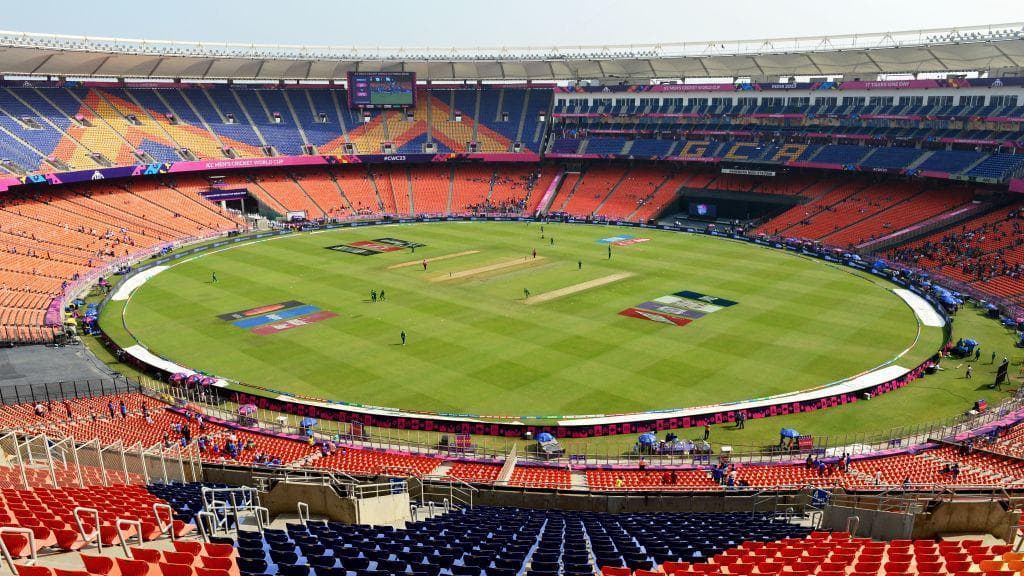
Commonwealth Sport’s General Assembly in Glasgow on November 26 ratified Ahmedabad, India, as host of the 2030 Centenary Commonwealth Games, completing a selection process that had already recommended the city earlier and ending a contest that included Abuja, Nigeria. The centennial edition is scheduled for October 2030 and will stage between 15 and 17 sports, with organisers signalling scope to include traditional or emerging disciplines as part of the program. The award was framed as an opportunity to mark 100 years since the inaugural Games in 1930.
The decision places Ahmedabad at the center of a high profile international undertaking that extends well beyond medal tables. Hosting a centenary Games offers a rare branding moment, fusing sport, heritage, and national image. For India, the staging provides a platform to showcase its organizational capacity and cultural diversity to a global audience while tapping into long term goals of expanding mass participation and elite performance across multiple sports.
The proposed cadre of 15 to 17 sports and the explicit openness to traditional or new disciplines reflect a broader shift in major multi sport events toward program flexibility and audience relevance. Allowing host cities greater latitude to include regionally significant sports can deepen local engagement and spotlight cultural practices that rarely reach global broadcast windows. At the same time, program experimentation will be measured against expectations for competitiveness, broadcast appeal, and logistical viability.
From an industry perspective, the Ahmedabad decision arrives amid evolving trends in event hosting where cost containment, legacy planning, and sustainable infrastructure are increasingly prioritized. While the ratification completes the formal selection, the real test will be in delivery. Organizers will need to translate the centenary narrative into concrete legacy outcomes, including upgraded facilities, community sports programs, and economic opportunities for local businesses. The balance between short term construction gains and long term public benefit will determine whether the Games become a transformative moment or a costly spectacle.
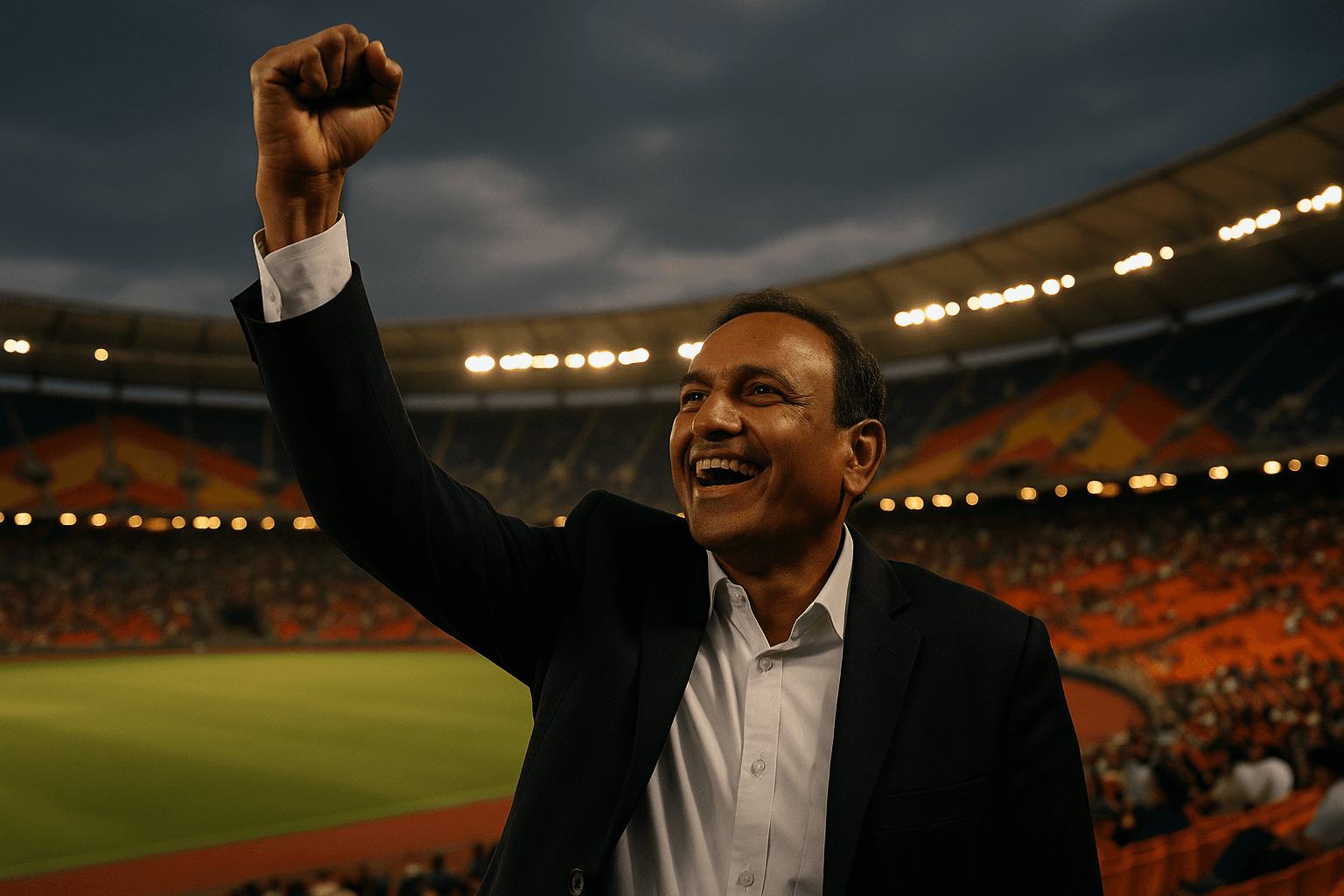
Culturally the Games offer a stage to revisit the Commonwealth’s complex history. Marking a century since the inaugural Games invites reflection on colonial legacies alongside present day connections among member nations. For host communities in Gujarat and across India, centenary programming that incorporates traditional disciplines could foster a sense of ownership and broaden the definition of sport beyond established Olympic codes.
Socially, the event promises job creation in planning, hospitality, and services, and could invigorate youth participation if investments target grassroots development. Conversely, major events often bring risks of displacement and uneven benefit distribution, underscoring the need for transparent planning and community consultation.
As preparations move forward, Ahmedabad faces the dual challenge of delivering a technically competent Games and shaping a centenary narrative that resonates with global audiences while producing tangible local legacies. The ratification in Glasgow is the starting gun for a five year sprint that will test how a centennial celebration can blend spectacle, culture, and sustainable impact.
This article was produced by Prism’s automated news system from verified source data, official records, and press releases, then run through automated quality and moderation checks before publishing. The system is built and supervised by the people who set the standards it runs under. Read our full AI policy.
Did this article answer your question?
.jpg&w=1920&q=75)