AI Cameras Help Western States Spot Wildfires Before They Spread
AI cameras flagged a smoke plume in Arizona before the Diamond Fire spread past 7 acres, testing whether minutes of warning can change wildfire outcomes.
The practical question in the West is no longer whether artificial intelligence can see smoke, but whether it can give firefighters enough time to move before wind, heat and rough terrain take over. In Arizona, that answer looked promising in March, when an AI camera picked up what appeared to be smoke in Coconino National Forest, analysts reviewed the feed, ruled out a cloud or dust, and alerted state and utility officials before crews contained the Diamond Fire at just over 7 acres.
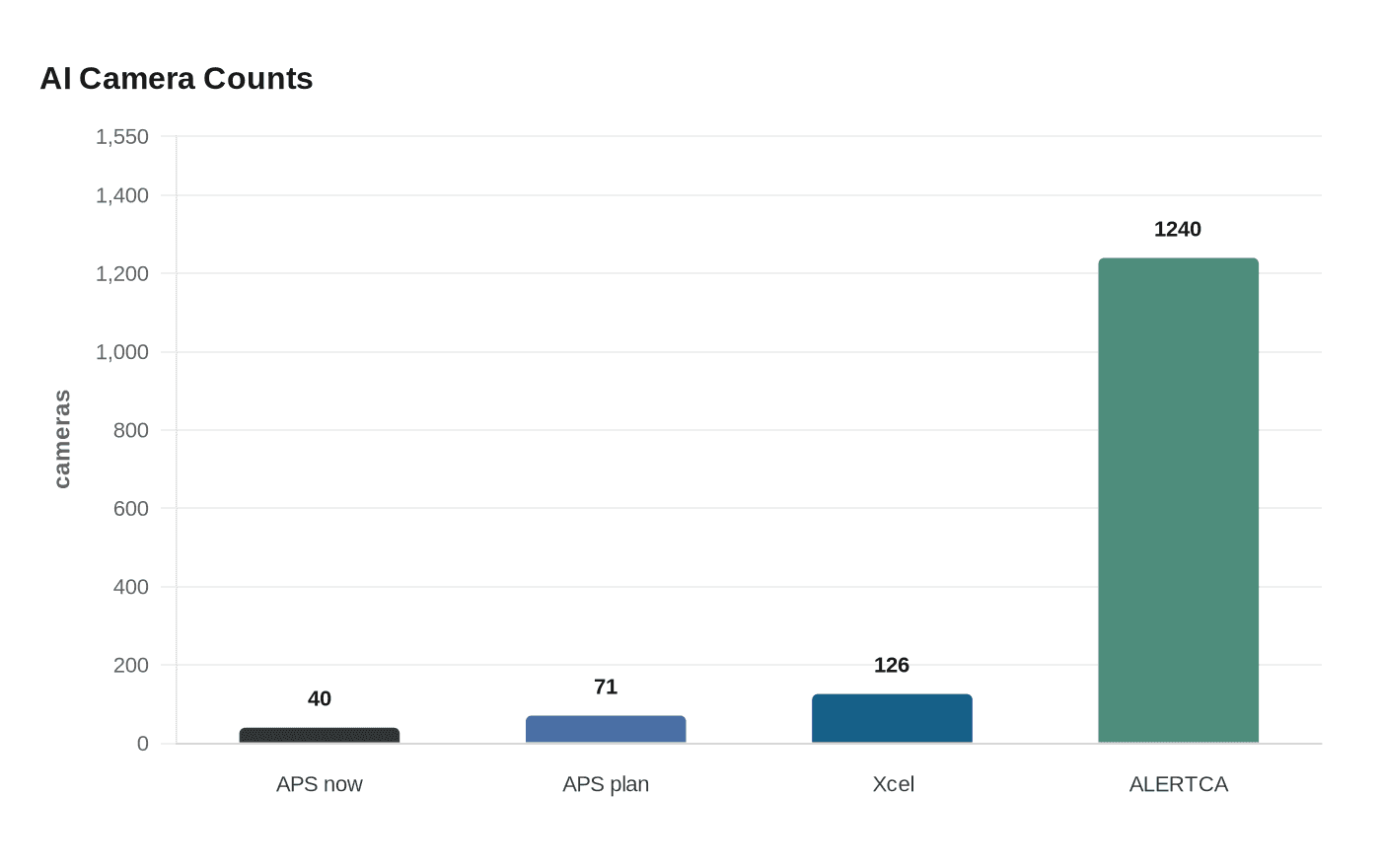
That outcome is helping drive faster adoption across wildfire-prone states and utilities as forecasters warn that record-breaking heat and a poor snowpack could make the 2026 fire season especially dangerous. Arizona Public Service now has nearly 40 active AI smoke-detection cameras and plans to reach 71 by the end of the summer. Xcel Energy has installed 126 across Colorado and other states it serves. In California, ALERTCalifornia operates about 1,240 AI-enabled cameras, making it the largest of the systems now watching the West from ridgelines and remote towers.
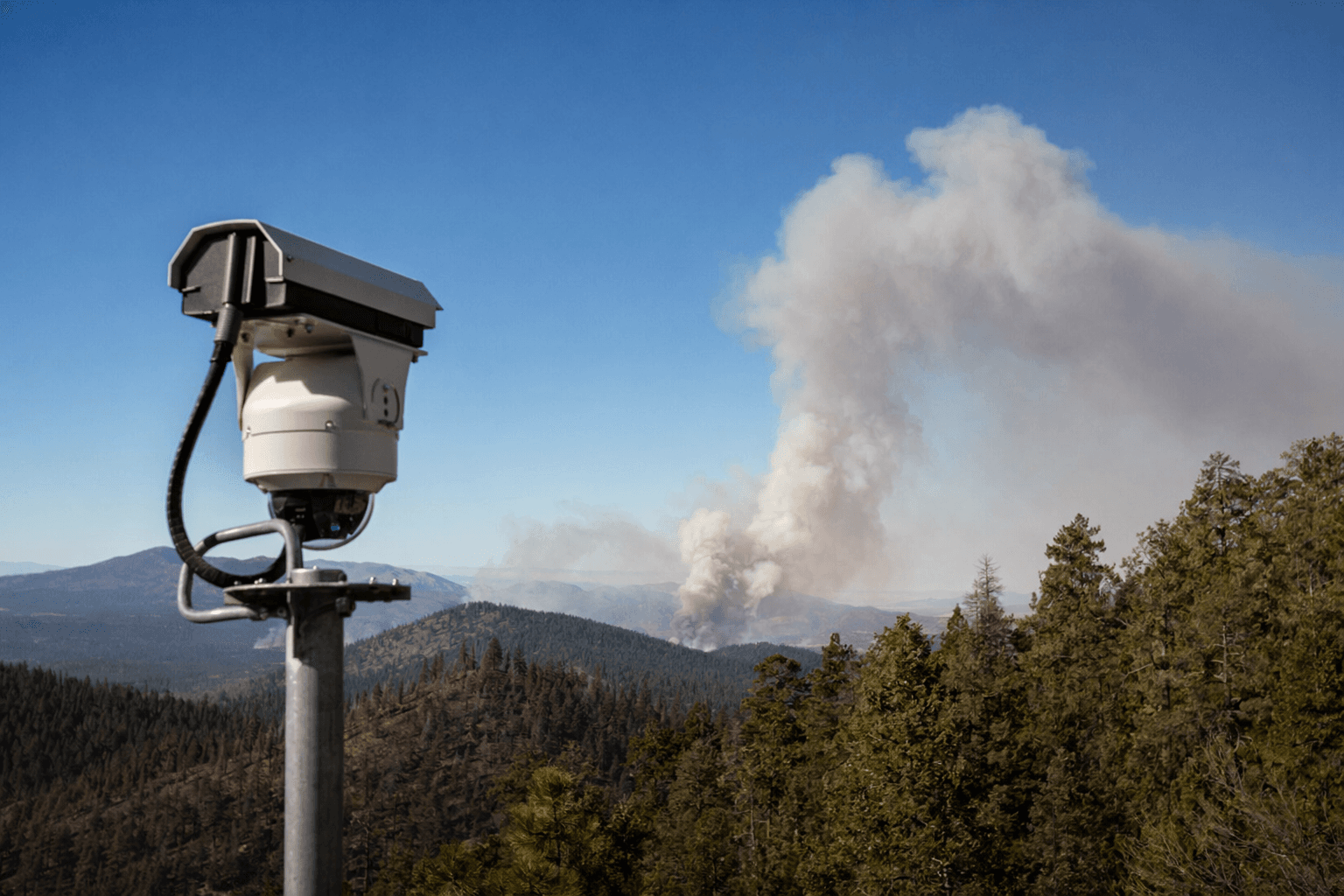
The promise is speed. John Truett, fire management officer for the Arizona Department of Forestry and Fire Management, said earlier detection lets crews launch aircraft and personnel quickly and keep fires small. That matters because the first minutes of a wildfire often decide whether responders are chasing a spot fire or confronting a fast-moving blaze. In the Arizona case, the alert reached the forest service and the utility fast enough to bring engines and aircraft to the scene before the fire could grow beyond a few acres.
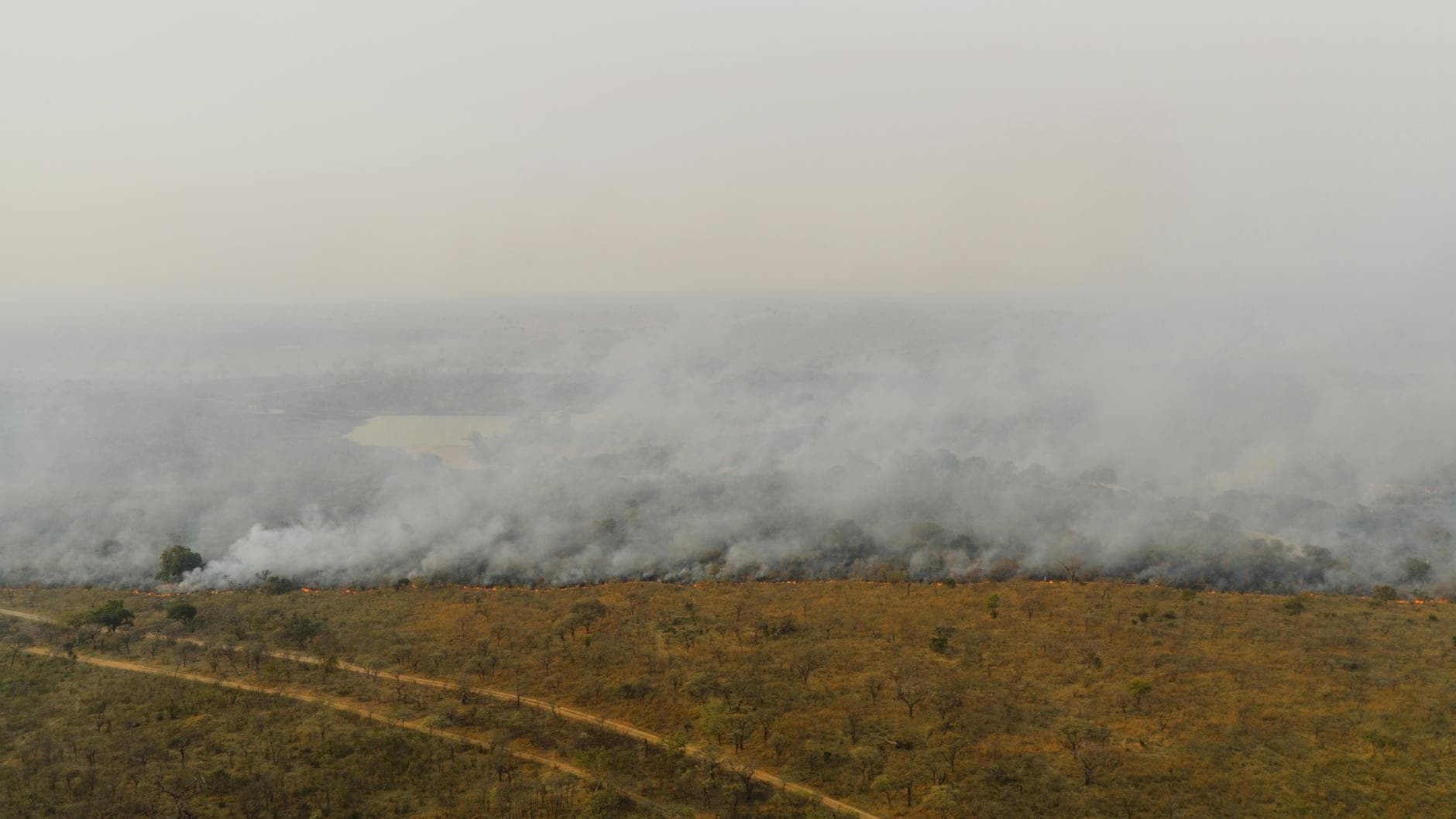
The systems are not replacing people. Neal Driscoll, a University of California, San Diego professor and founder of ALERTCalifornia, said the AI running on the cameras is “actually beating 911 calls,” but human review still helps keep false positives low and improves the system over time. Analysts still check suspicious images before dispatch, a safeguard that matters in a landscape where clouds, dust and light changes can all mimic smoke.
The larger lesson for western states is that detection technology can buy time, but it cannot erase the underlying fire risk created by hotter, drier conditions. The most effective systems now look less like standalone surveillance and more like a layered warning network, with cameras, AI and human analysts working together across vast stretches of forest and rangeland. The gains are real, but the test remains the same: whether the next alert arrives soon enough to keep a spark from becoming a disaster.
This article was produced by Prism’s automated news system from verified source data, official records, and press releases, then run through automated quality and moderation checks before publishing. The system is built and supervised by the people who set the standards it runs under. Read our full AI policy.
Did this article answer your question?