AI cancer risk tool under FDA review, rollout eyed for next year
The FDA is reviewing an AI tool that says it can flag cancer risk before symptoms and already has data from 1,084 GP practices in England.
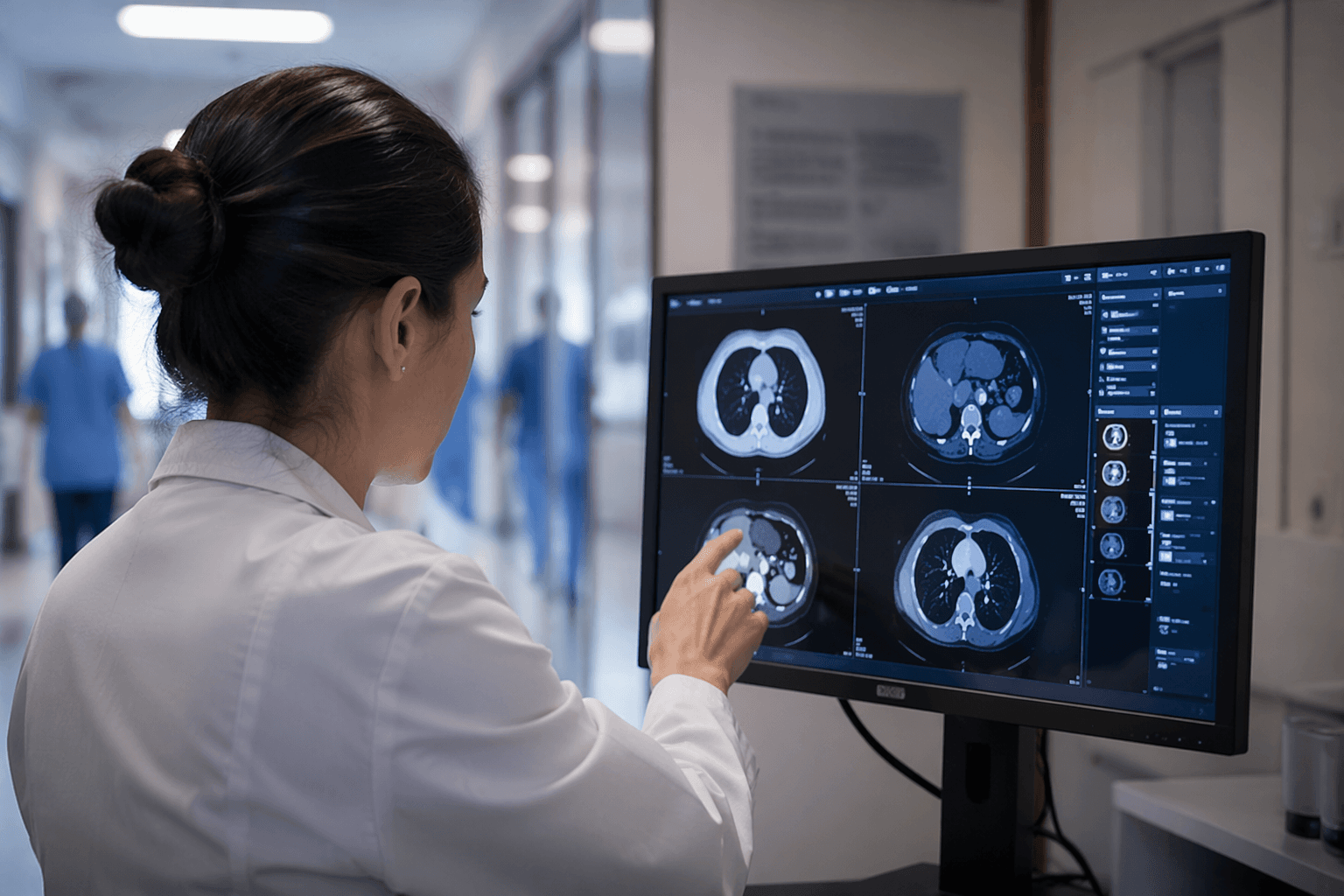
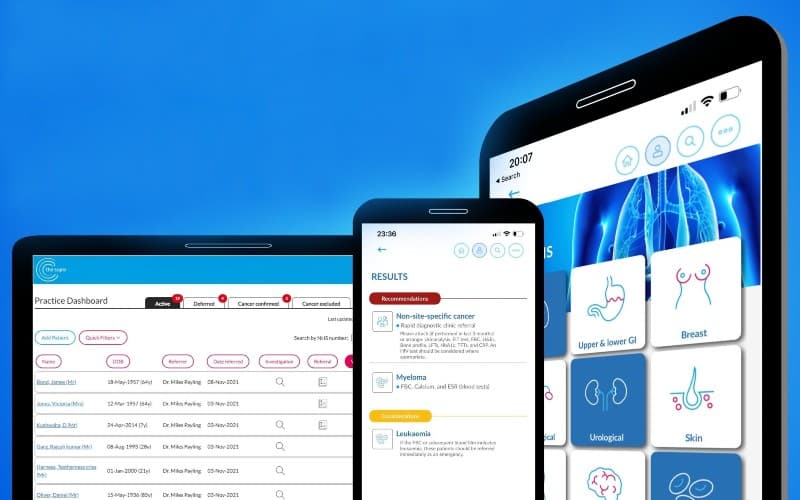
The central question for regulators is not whether earlier cancer detection would help, but whether this AI tool can prove it does so reliably enough to earn U.S. clearance. C the Signs says its software analyzes patient histories and more than 1,000 validated data points to identify subtle patterns that may signal cancer risk before symptoms become obvious, with a referral recommendation in under 60 seconds. The company says it hopes to launch in the United States next year if the Food and Drug Administration is satisfied with the evidence on safety and effectiveness.
That evidence bar matters because the stakes are clinical and operational. A system that improves triage could shorten the path from primary care to diagnosis and treatment, especially for cancers where stage at diagnosis strongly affects outcomes. But an AI tool in frontline care also has to show it can reduce missed cancers without flooding clinicians with false alarms or adding another burden to already stretched workflows.
C the Signs says its platform has already supported the detection of more than 70,000 cancer cases and claims 99% sensitivity. Real-world data from England give the tool a broader track record, though not yet in the United States. An NHS-linked study covering 1,084 GP practices and more than 235,000 patient risk assessments found 13,585 cancers diagnosed, conversion rates 20% better than the NHS England national average, and more than 61,000 unnecessary urgent referrals reduced.
A separate Health Innovation Network case study described C the Signs as a Class 1 medical device and reported 45,000 cancers detected, a 12.3% increase in cancer detection rates and £1.56 million in predicted savings from earlier diagnosis. Those figures suggest a technology that can change referral patterns in primary care, where a faster signal may spare some patients needless escalation while sending higher-risk patients into the system sooner.
The FDA has been laying groundwork for this kind of review. On January 6, 2025, it issued draft guidance for AI-enabled medical devices that emphasized transparency and bias, and the agency has said new clinical indications or new types of AI may require novel assessment paradigms. The FDA also maintains an AI-Enabled Medical Device List for products authorized for marketing in the United States.
The review comes as cancer burden remains enormous. The American Cancer Society estimates 2,114,850 new U.S. cancer cases and 626,140 cancer deaths in 2026, while Centers for Disease Control and Prevention data show 1,851,238 new cases in 2022 and 613,349 deaths in 2023. The FDA has already authorized GI Genius, which it described in 2020 as the first AI-based device cleared to help detect colon lesions in real time during colonoscopy. If C the Signs clears review, it would extend AI deeper into routine primary care, where the promise is earlier action and the test is whether that promise holds up in everyday practice.
This article was produced by Prism’s automated news system from verified source data, official records, and press releases, then run through automated quality and moderation checks before publishing. The system is built and supervised by the people who set the standards it runs under. Read our full AI policy.
Know something we missed? Have a correction or additional information?
Submit a Tip