AI costs surge as companies seek savings and efficiency gains
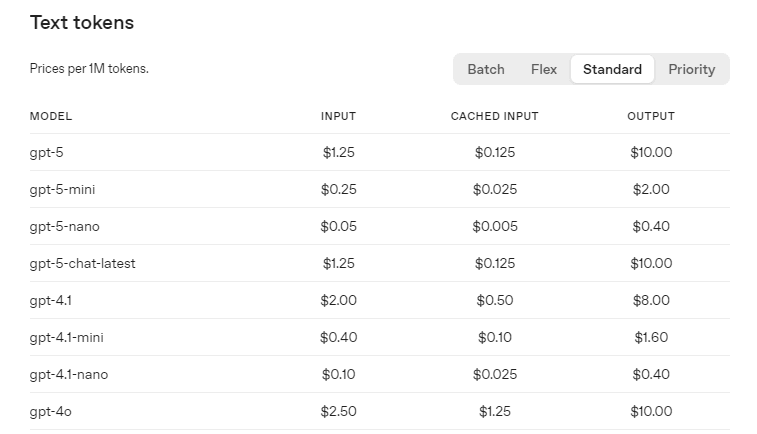
API bills are forcing companies to rethink AI: GPT-5.5 costs $5 per million input tokens and $30 per million output tokens, while heavy use is already drawing backlash.
The bill arrives before the enthusiasm wears off. For many executives, the real lesson of the “A.I. everywhere” era is that always-on usage can turn a promising pilot into a budget problem, especially when flagship models and tool calls are metered by the token and the call.
OpenAI’s June 2026 pricing showed how quickly costs can climb at scale. GPT-5.5 was listed at $5.00 per 1 million input tokens and $30.00 per 1 million output tokens, while web search tool calls cost $10 per 1,000 calls. OpenAI also said GPT-5.5 uses significantly fewer tokens than GPT-5.4 to reach comparable Codex results, a sign that efficiency is becoming as important as raw capability. That math is pushing companies to trim low-value uses, keep only the workflows that clearly pay for themselves, and rebuild some systems in-house to better control token spend.

The backlash is not just coming from finance teams. A GoTo survey summarized by CIO Dive found that 39% of workers, and 46% of Gen Z workers, said heavy AI reliance had weakened their skill sets. Sixty percent said they felt pressure to use AI to boost productivity. Almost one in four IT leaders said AI-related mistakes had already affected customers, clients, or company bottom lines. The message inside many organizations is shifting from “use AI everywhere” to “prove the value, then keep using it.”
The worker side of the ledger remains mixed. METR surveyed 349 technical workers from February to April 2026 and found a median self-reported 1.4 to 2 times increase in the value of their work from AI tools, along with a median self-reported speed increase of 3 times. But the researchers cautioned that self-reported gains may overstate what actually happens in production, which helps explain why some firms are narrowing AI use to the most measurable tasks instead of expanding it across every workflow.
The broader business outlook is still cautious. S&P Global said its latest PMI-based AI and labor analysis showed a negative global net employment impact of -5 points over the past 12 months and forecast -2 points for 2026. It also said only 46% of AI initiatives launched in the past year were on track to achieve positive ROI within 12 months, and only 37% were live and delivering value. For companies trying to reconcile adoption with accountability, the next phase of AI is less about ubiquity than discipline.
This article was produced by Prism’s automated news system from verified source data, official records, and press releases, then run through automated quality and moderation checks before publishing. The system is built and supervised by the people who set the standards it runs under. Read our full AI policy.
Did this article answer your question?


