AI-fueled data center boom raises power and water concerns
AI is turning data centers into a power and water story, not just a tech story. Berkeley Lab’s 2024 study shows why local bills and cooling plans now matter.
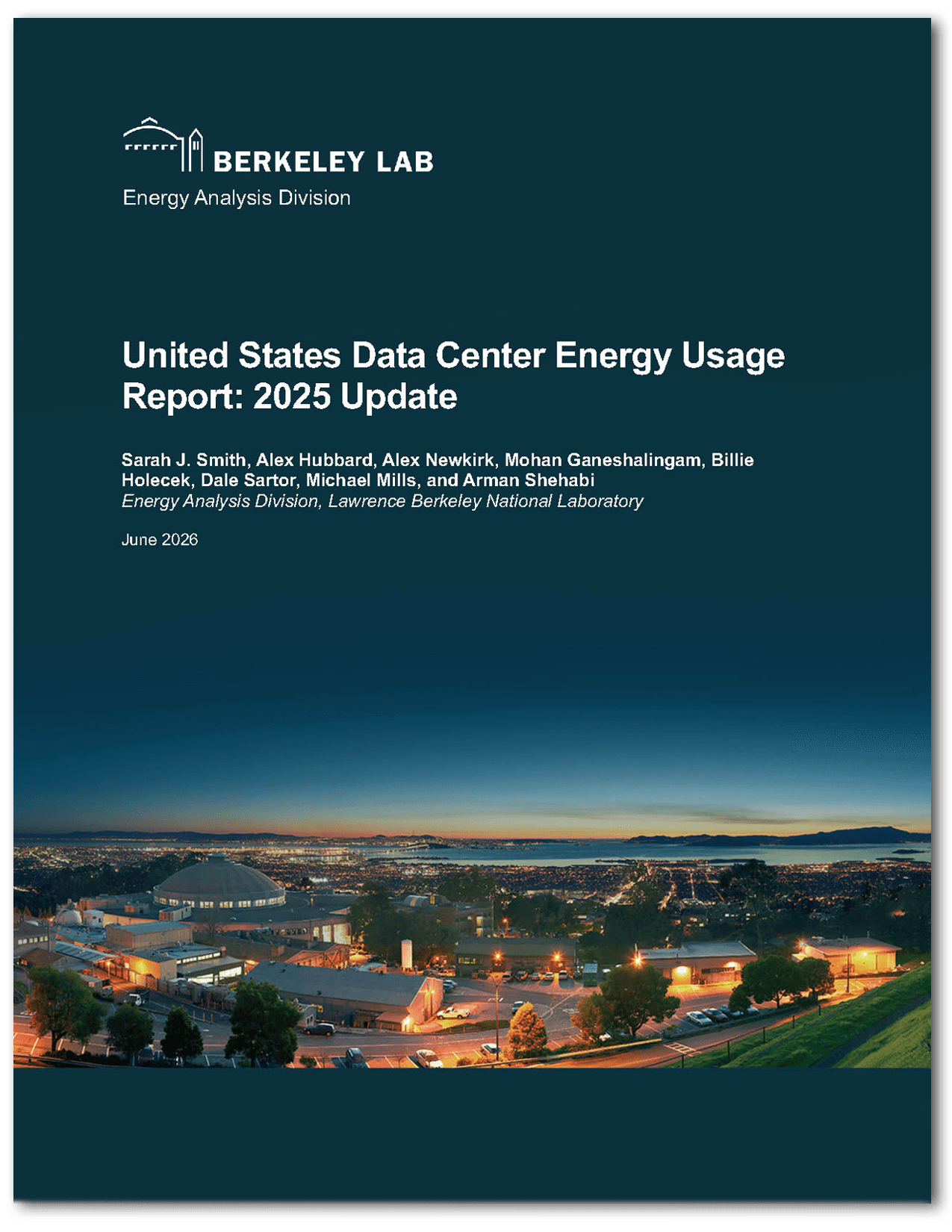
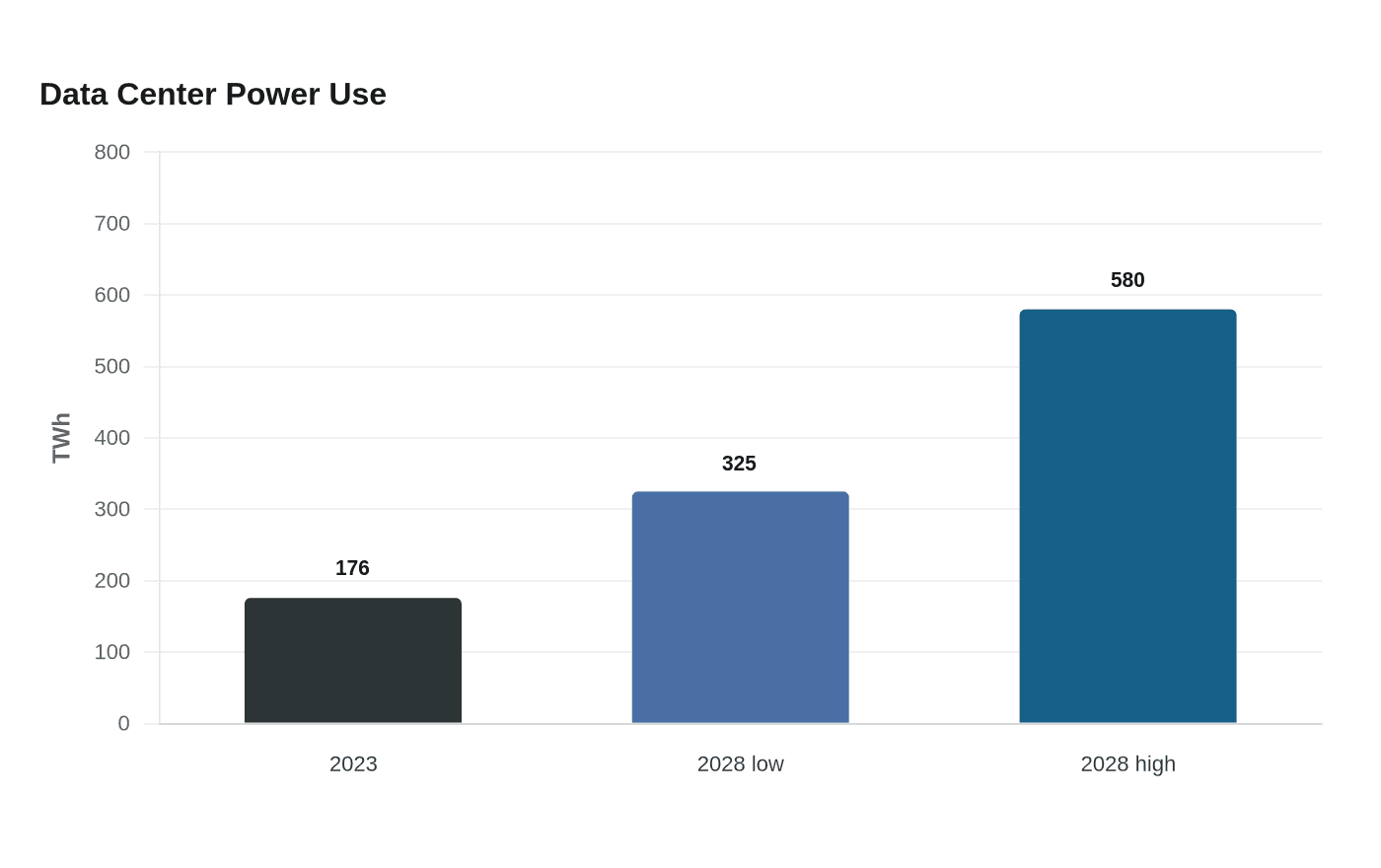
Lawrence Berkeley National Laboratory’s 2024 United States Data Center Energy Usage Report estimated that U.S. data centers used 176 terawatt-hours of electricity in 2023. The sharpest criticism of data centers is no longer about abstract dislike of AI. It is about the physical demands behind the software: electricity, water, and the local infrastructure needed to supply both.
The power demand is real, and the numbers are large
The same report modeled a rise to 325 to 580 terawatt-hours by 2028, a range wide enough to show how much uncertainty still surrounds the boom. On January 15, 2025, Berkeley Lab published a summary of the Department of Energy-sponsored study. It projected demand would increase significantly, while forecasts depend on fast-moving inputs such as chip orders and facilities under construction. If demand lands near the low end of the Berkeley Lab range, utilities still face a steep increase; if it lands near the high end, demand reaches 580 terawatt-hours by 2028.
Water is where the backlash gets local
The environmental case against data centers grows stronger when it is tied to cooling systems, not just to carbon accounting. An Environmental Law Institute fact sheet published in January 2026 treated the industry’s growth, driven in part by generative AI, and rising electricity and water use as a major policy issue.
The public reaction has been sharpest in places where water use is visible and immediate. Communities have pushed back against proposed data centers over water concerns, prompting developers and others to look at cooling technologies that minimize water use. In North Carolina, a single AI data center was using 2.7 million gallons of water a day as of September 19, 2025, a scale that makes the issue concrete for towns already weighing drought risk, industrial demand, and household supply.
The debate is not really about data centers alone
The 2025 National Academies workshop volume, *Implications of Artificial Intelligence-Related Data Center Electricity Use and Emissions: Proceedings of a Workshop*, focused on AI-related data center electricity use and emissions. The concern is increasingly tied to AI itself, especially the electricity demand and emissions that come with training and running large models. That is a different political question from whether a warehouse full of servers is inherently bad.
Criticism is evidence-based when it points to megawatt-scale power demand, high water use, and the fact that large facilities can strain local utilities before communities have a clear picture of the costs. It becomes overstated when it treats every data center as identical or assumes the problem is simply the existence of computing. The real issue is where facilities are built, how much they draw, and what local systems must give up to serve them.
What would actually reduce the harm
The cleanest policy response is not a blanket rejection of data centers. It is a set of rules that forces the industry to show its math before it builds. That means clearer disclosure of expected electricity and water use, tighter coordination with utilities, and siting decisions that account for whether a community can actually support a new load.
- Require water and power estimates before permits are approved, so residents and local officials see the scale of demand early.
- Tie approvals to utility planning, because NorthWestern Energy’s preliminary agreements with three companies over a 14-month period show how quickly commitments can accumulate before the public sees the full picture.
- Favor cooling systems that minimize water use, especially in places where local supply is already under pressure.
- Scrutinize siting in communities with limited disclosure, because the Montana experience shows how much frustration grows when information about proposed data center water use is scarce.
This article was produced by Prism’s automated news system from verified source data, official records, and press releases, then run through automated quality and moderation checks before publishing. The system is built and supervised by the people who set the standards it runs under. Read our full AI policy.
Did this article answer your question?