A.I.-generated Spencer Pratt ad signals a new era in political campaigning
Spencer Pratt’s viral AI ad is more than a stunt. It shows how synthetic political media can harden into campaign strategy before voters and regulators catch up.
A viral candidate in a volatile race
Spencer Pratt has become a startling force in Los Angeles politics: a Republican running in a nonpartisan mayor’s race that has already been unusually volatile. His campaign has pulled in tens of millions of views, turning a former reality TV star into a serious attention magnet in a contest that usually would not look anything like this.
That surge matters because Pratt is not merely trending. He is now helping define the conversation around the city’s biggest political faults lines, from homelessness and housing to fire recovery, public safety, and the cost of living. In a race this large, attention is not a side story. It is becoming the terrain itself.
The ad that made the race feel futuristic
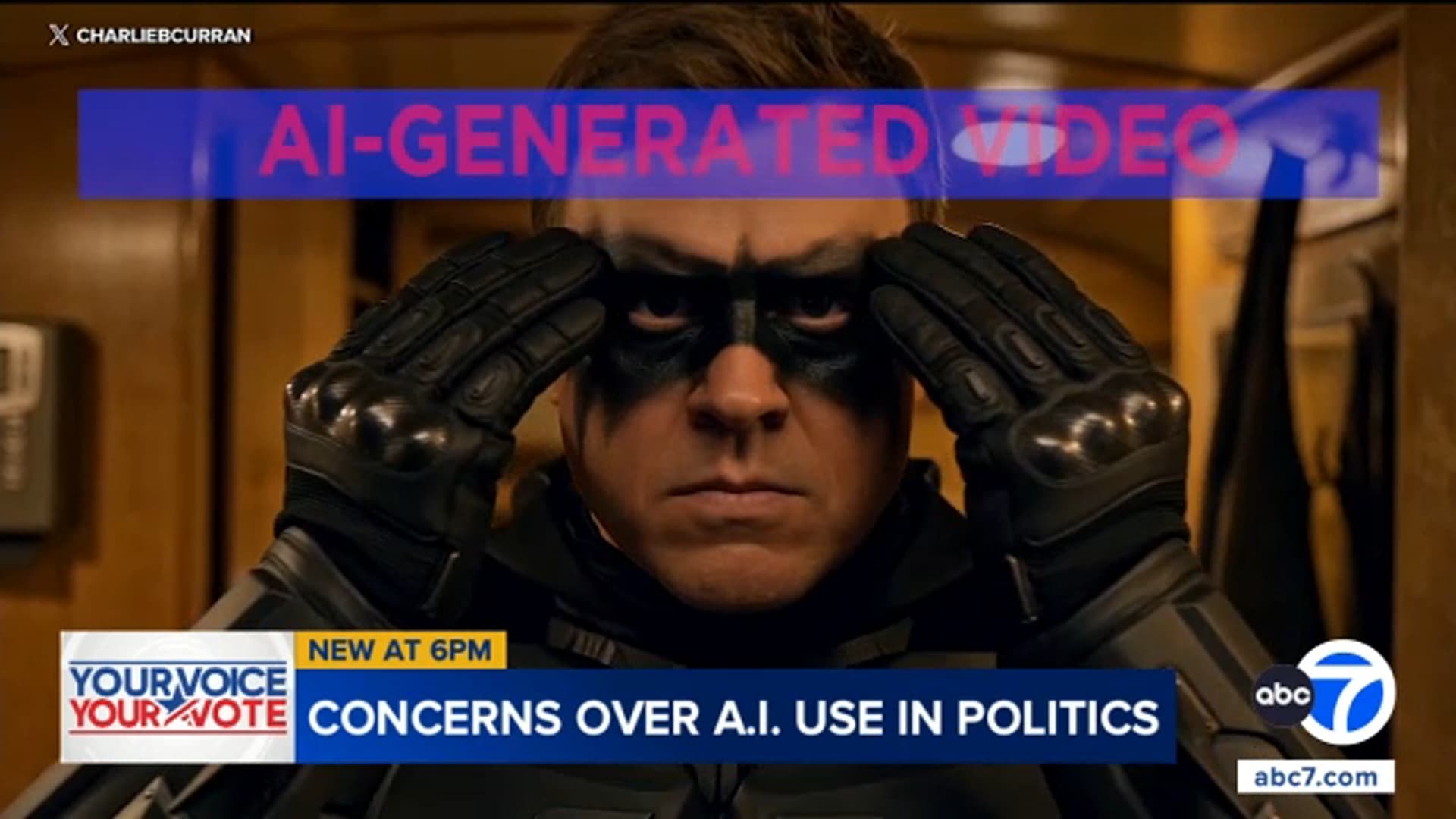
The clearest symbol of that shift is an A.I.-generated ad that casts Los Angeles as a Gotham-like city run by out-of-touch progressive leaders. The figures portrayed in that vision include Gov. Gavin Newsom, Mayor Karen Bass, and former Vice President Kamala Harris. It is exaggerated, theatrical, and designed to travel fast, which is exactly why it has become such a potent political object.
The ad helped spark a broader warning about synthetic media in election politics. The Washington Post’s fact-checking guidance on manipulated video lays out how false or misleading clips can be built through missing context, deceptive editing, or outright malicious transformation. That warning is no longer abstract in Los Angeles. It is landing inside a live mayoral race, where a fake-looking spectacle can now shape the same conversation as an actual policy proposal.
The danger is not just that people may believe a video that is false. It is that repeated exposure to synthetic political imagery can normalize the idea that politics is supposed to feel unreal. Once that happens, the line between persuasion, parody, and deception gets harder to defend.
Why Pratt’s message is landing
Pratt’s rise is tied to something deeply local and painfully real: the sluggish rebuilding effort after the Palisades fire. His own home burned and has not yet been rebuilt, giving his campaign a personal story that connects directly to frustration with City Hall. He has used that loss to attack Bass and City Councilmember Nithya Raman over recovery and city management.
He has also centered his campaign on anger over homelessness, crime, and the cost of living, all of which remain high-salience issues for Los Angeles voters. The Los Angeles Times has described his hardline approach as part of the reason he has become a contender, even as it raised serious questions about whether his message is sustainable beyond viral attention.
Those questions are not rhetorical. Pratt has pushed arrests and mandatory drug and addiction treatment as a way to clear the streets, a plan that experts quoted by the Times said would face major legal, financial, and practical hurdles. In other words, the campaign is not just testing how far a celebrity persona can go. It is testing how much policy specificity can survive when the headline version of the candidate is already dominating the frame.
The money, the setting, and the optics
The financial picture underscores how unusual this race has become. The Los Angeles Times reported that Pratt raised $2.72 million in the latest filing period, nearly 10 times what Bass raised in that period. That gap does not prove a lead in the electorate, but it does show that Pratt’s campaign has accumulated real resources alongside real visibility.
His spending choices have also added to the spectacle. The Times reported that his campaign spent more than $15,000 at the Hotel Bel-Air, where Pratt says he has been staying because of threats after his house burned. That detail is politically important because it places personal security, celebrity status, and campaign optics in the same frame. It is the kind of fact that can either humanize a candidate or deepen suspicion, depending on whether voters see him as vulnerable or performative.
The setting matters too. Pratt was not invited to an earlier Sherman Oaks debate even as his profile was rising, a reminder that institutions often lag behind the dynamics of online politics. Debate stages, party labels, and traditional gatekeepers are still trying to impose order on a race that is increasingly driven by posts, clips, and algorithmic amplification.
What the AI-superhero treatment reveals
Lorraine Ali of the Times has framed the AI-superhero treatment as part of a larger question: whether viral content can translate into votes. That is the central issue here. A campaign can now generate a fantasy version of a candidate and make it feel politically real long before any voter has heard a policy speech or seen a debate performance.
This is why Pratt’s candidacy is more than celebrity mischief. It is a case study in how synthetic media, grievance politics, and local governing failures can collide in a major American city. The ad does not have to be believable in a traditional sense to be effective. It only has to be shareable, memorable, and emotionally legible to people already primed to distrust the city’s leaders.
The broader warning is straightforward. If a fabricated superhero version of a mayoral candidate can shape the narrative of a serious election, then the next phase of political campaigning may not be defined by truth versus falsehood alone. It may be defined by which side can manufacture the most convincing reality before the public has time to catch up.
This article was produced by Prism’s automated news system from verified source data, official records, and press releases, then run through automated quality and moderation checks before publishing. The system is built and supervised by the people who set the standards it runs under. Read our full AI policy.
Did this article answer your question?

