AI recruitment apps help Brazil uncover hidden football talent
An 18-year-old from Santa Catarina turned Footbao clips into a trial with Lecce and a youth deal at Spezia, while CUJU says 80,000 players joined its pilot.

Leonardo Veiga turned short videos on Footbao into a trial with Lecce and a youth contract with Spezia, a route that is drawing attention in Brazil’s football market. The 18-year-old from Santa Catarina said, “AI opened a new door,” after moving from a small local club into Italy’s second division system.
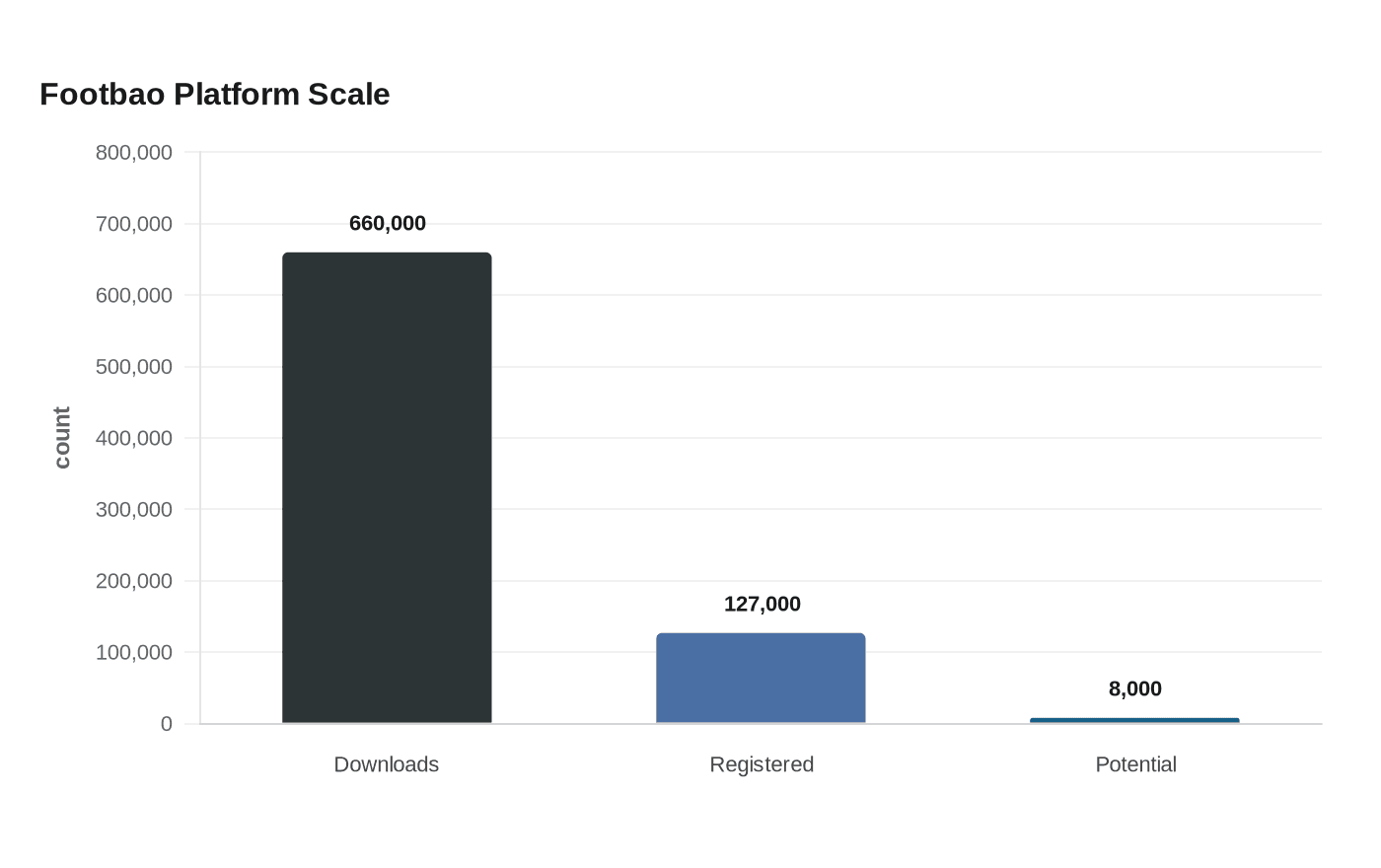
Footbao is one of the clearest examples of how artificial intelligence is being inserted into Brazil’s talent pipeline. The company says its app has more than 660,000 downloads, 127,000 registered players and about 8,000 with competitive potential, and that it has referred more than 300 players to clubs. Chief executive Nick Rappolt said there are probably between 14,000 and 15,000 players with the potential to join clubs or academies, a number that suggests the platform is still filtering a far larger pool than the one it has already moved into club settings.

The company was founded in 2023 and is now operating beyond Brazil, including in Colombia and Argentina, with plans to expand into more South American countries. That matters in a country that is the world’s largest exporter of football talent, where clubs and agents have long depended on local relationships, informal tips and time-consuming scouting trips to find players outside the biggest development centers. Footbao’s pitch is that smartphone footage and machine analysis can make that search broader and cheaper.
CUJU is pursuing a similar opening in southern Brazil. The platform says its Santa Catarina pilot drew more than 80,000 players, while its app has been downloaded around 160,000 times. In one live final tied to the project, the top 150 players were evaluated in front of scouts, and 14-year-old Marcela Geremias Lima secured a place at Corinthians’ academy.
The company also ran A Jornada in Santa Catarina for boys and girls aged 13 and up, with prizes worth more than R$1 million. The scale of the incentives shows how quickly digital scouting has become a competition not just for attention, but for access. Clubs gain a faster filter through huge player pools, while young athletes in smaller cities gain a chance to be seen without waiting for a traditional network to reach them.
This article was produced by Prism’s automated news system from verified source data, official records, and press releases, then run through automated quality and moderation checks before publishing. The system is built and supervised by the people who set the standards it runs under. Read our full AI policy.
Know something we missed? Have a correction or additional information?
Submit a Tip