AI reshapes product innovation at L'Oréal, Nestle and Mondelez
AI is moving from marketing gloss into product design, where L'Oréal, Nestlé and Mondelēz are using it to cut failed experiments and speed real formulation work.
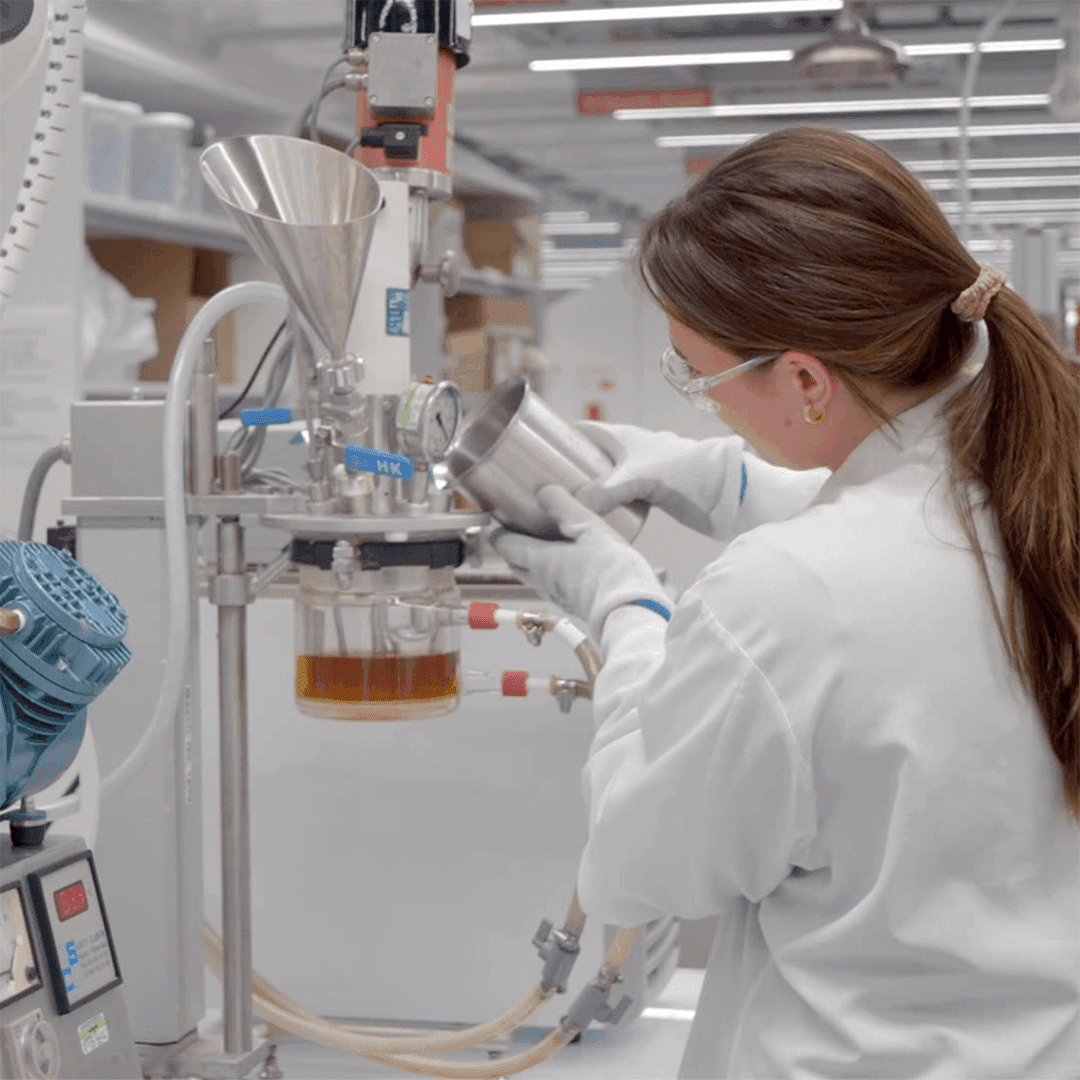
L'Oréal said AI has already helped identify skincare molecules that can be repurposed for shampoo. Across companies including Nestlé and Mondelēz, the technology is moving into the texture of a biscuit and the ingredient list on the package. It is being used less as a branding flourish than as a tool to narrow down ideas faster, reduce dead ends and reshape what gets built in the lab.
From campaign language to product chemistry
The strongest case for AI in consumer goods is not a prettier ad or a faster slogan. It is a shorter path from concept to shelf when a company can test more combinations of molecules, ingredients and sensory traits before spending on scale-up. In categories where even small changes in texture, smell, sweetness or shelf life can decide whether a launch succeeds, that shorter path can decide whether a launch works.
L'Oréal has pushed that logic furthest in beauty. Fabrice Megarbane, the company’s consumer-products president, said the aim is to imagine “new associations of molecules and new benefits.” L'Oréal said that approach has made product creation four times faster than before, a shift that goes straight to formulation rather than promotion.
Why L'Oréal is spending harder
L'Oréal’s urgency is visible in its own numbers. In its 2025 annual report, L'Oréal said it filed 725 patents, its largest number ever, as it pushed Nicolas Hieronimus’s “beauty stimulus plan” across the group. The annual report said that plan helped drive 2025 sales growth, with strong new launches offsetting a slower patch that included a miss in China and weaker Asian trading earlier in 2026.
The company has paired that internal push with a larger AI buildout. On March 17, 2026, L'Oréal announced an expanded partnership with Nvidia to use the chipmaker’s ALCHEMI framework inside its research and innovation ecosystem. The goal is to accelerate formulation discovery by predicting how molecules will perform and interact at an atomic scale, a more precise bet on product science than on consumer-facing marketing.
Nestlé and Haleon bring AI into broader operating systems
Nestlé is using AI, machine learning, data science and predictive tools across its global R&D organization to work faster and more efficiently while addressing broader food system challenges. That puts the technology inside the development process for global food brands, where companies need to balance taste, cost, nutrition and supply reliability at the same time.
Haleon has taken a wider corporate route. On June 29, 2026, the consumer health company announced a five-year collaboration with Microsoft to scale digital, data and AI capabilities across the business. The use cases span consumer insights, innovation, supply chain and commercial execution, showing how AI is being threaded through both product development and the systems that support it.
Mondelēz shows what AI can do to a recipe
Mondelēz offers the clearest test of whether AI can improve a product, not just lower R&D costs. The company has used an AI recipe-development tool in more than 70 projects. The tool was developed with software consultant Fourkind and began in 2019, before the current wave of generative AI hype, and it generates recipes by optimizing flavor, aroma, appearance, ingredient cost, environmental impact and nutritional profile.
Filippo Catalano, the company’s chief information and digital officer, called the technology a “game-changer” and said it can generate “out-of-the-box” ideas that human experts then evaluate. That human review remains central. Taste-testers still have to decide whether a recipe that looks efficient on paper actually works in the mouth, where the consumer finally judges it.
The results point to real product effects. Mondelēz said AI helped develop Gluten Free Golden Oreo cookies and refresh the Chips Ahoy recipe. In the biscuit category, Mondelēz said 60% of recipes generated with its AI tool performed better on measures such as nutrition, sustainability and cost.
The line between invention and volume
Mondelēz has also used AI beyond the kitchen. In September 2024, it launched a platform with Accenture and Publicis Groupe to expand its use of artificial intelligence and generative AI across marketing and innovation. That is where the consumer-goods AI story becomes harder to read. Some uses aim at better products, while others aim at faster content, cheaper experimentation and more shelf-ready variations.
This article was produced by Prism’s automated news system from verified source data, official records, and press releases, then run through automated quality and moderation checks before publishing. The system is built and supervised by the people who set the standards it runs under. Read our full AI policy.
Did this article answer your question?