AI reshapes the job hunt for recent college graduates
Recent graduates faced a 5.6% jobless rate and 41.5% underemployment, even as economists split on whether AI or remote work is squeezing entry-level jobs.

The entry-level pipeline is tightening for recent college graduates just as the broader U.S. labor market still looks relatively solid. While the national unemployment rate held at 4.3% in May 2026, recent graduates ages 22 to 27 were at 5.6% unemployment in March and 5.7% in the first quarter, alongside a 41.5% underemployment rate that points to a deeper mismatch between degrees and available work.
That gap is showing up in the jobs young people actually land. CBS News noted that 40% of college graduates who are working have taken jobs that do not require a college degree, including temporary or part-time work. For many first-time applicants, the problem begins long before an interview, with experience requirements, algorithmic screening and a hiring process increasingly shaped by AI tools that sort resumes before a human ever sees them.
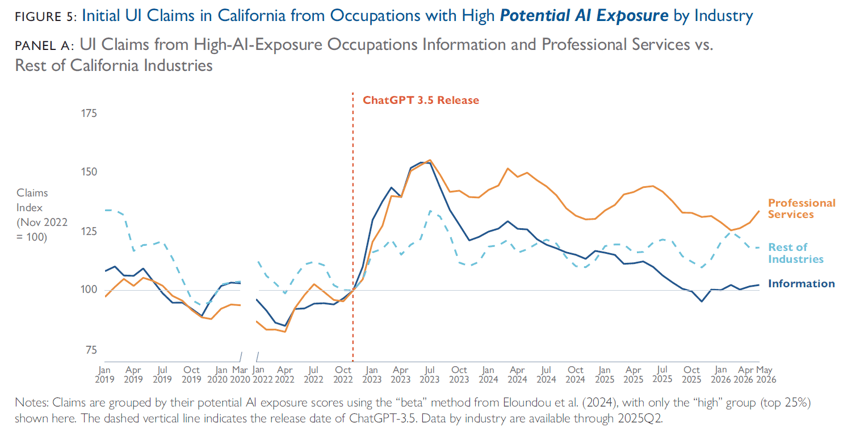
The question is whether AI is driving the damage or simply sharpening a labor market that was already uneven for newcomers. The World Economic Forum said entry-level jobs in the United States had fallen by 35% in the last 18 months, largely because of AI, and that the work that remains is changing as routine tasks are automated. Laura Veldkamp, an economics professor at Columbia Business School, said people trying to look for jobs for the first time are having a very difficult time. Doug Calidas of Americans for Responsible Innovation said the unusually high unemployment rate for recent college graduates seems relevant to AI’s impact on entry-level jobs.
The New York Fed’s own read is more cautious. Its analysis of recent college graduates found labor market conditions remained challenging at the start of 2026, with unemployment near 5.7% and underemployment at 41.5%. But the Fed also estimated that remote work can explain 64% of the recent increase in unemployment among young college graduates, and said the timing of the rise suggests remote work, not generative AI, explains most of the increase.
That makes the current downturn especially important to watch. The New York Fed’s college labor market tracker has data going back to 1990, offering a long view that can separate a temporary slowdown from a structural shift. For now, the numbers show a generation entering the labor market at a disadvantage: more competition, more screening, and a hiring system that appears to be moving faster than first-time job seekers can adapt.
This article was produced by Prism’s automated news system from verified source data, official records, and press releases, then run through automated quality and moderation checks before publishing. The system is built and supervised by the people who set the standards it runs under. Read our full AI policy.
Know something we missed? Have a correction or additional information?
Submit a Tip