AI Tools Propel Record Black Friday Online Sales, Adobe Says
AI powered shopping tools helped lift U.S. online Black Friday spending to about $11.8 billion, Adobe Analytics reported, a 9.1 percent increase from 2024. The sharp rise in AI driven traffic, cited at an 805 percent jump, suggests the holiday shopping season is entering a new phase that matters for retailers, regulators and consumers alike.
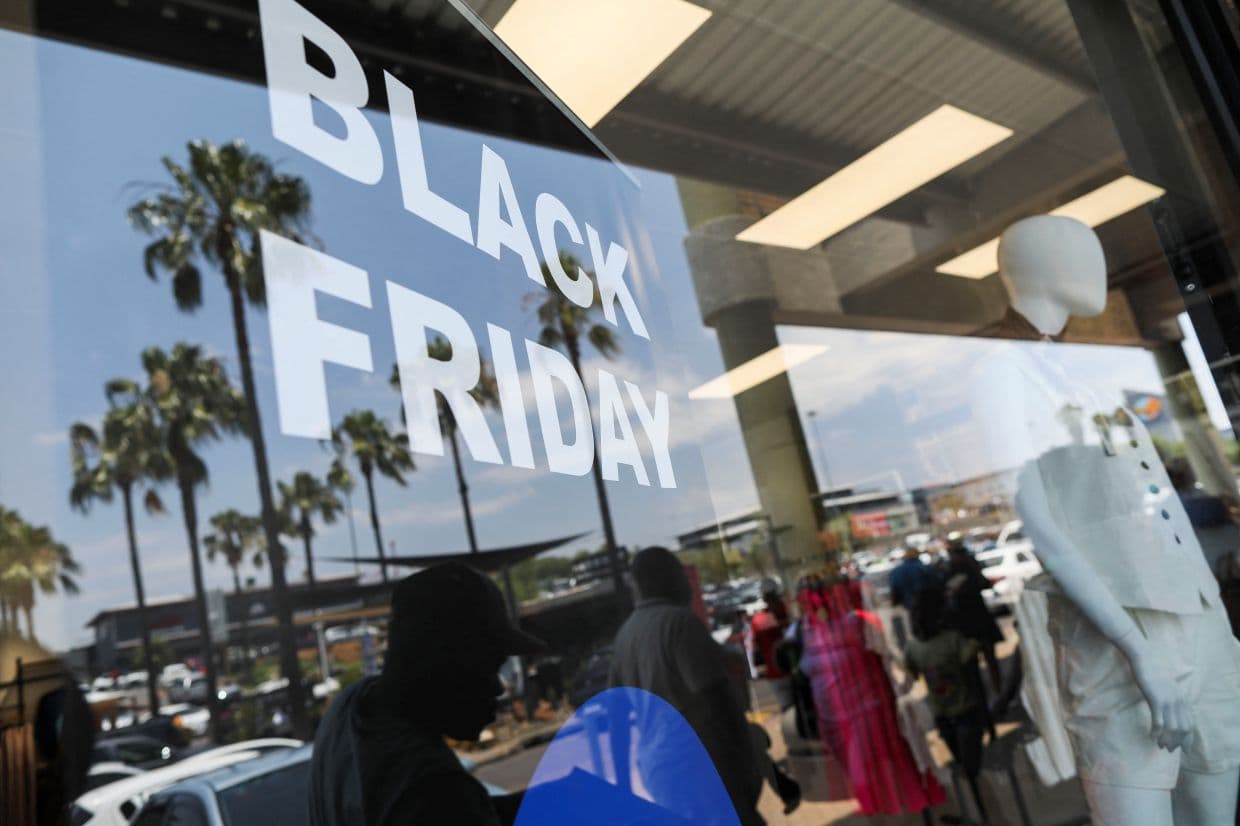
Adobe Analytics reported that U.S. consumers spent roughly $11.8 billion online on Black Friday, the highest single day total on record for the holiday shopping period, marking a 9.1 percent increase over the previous year. Reuters coverage of Adobe data, supplemented by figures from Salesforce and Mastercard, highlighted a dramatic surge in AI driven traffic to retail websites, with Adobe citing an 805 percent increase as shoppers deployed AI agents and chatbots to compare prices and locate deals.
The statistics point to two overlapping forces shaping this year’s holiday commerce. First, persistent demand for big ticket categories such as electronics, games and branded toys continued to drive sales volume. Second, the rapid adoption of AI tools appears to be changing how consumers search, compare and transact. Retailers that fast tracked conversational shopping tools and personalized recommendation systems reported heavier traffic and higher engagement, even as overall consumer sentiment has been tempered by broader economic headwinds.
For retailers the immediate implication is strategic pressure to invest in AI capabilities. Tools that reduce search friction and automate price comparisons can raise conversion rates and shorten purchase cycles, enhancing returns on marketing spend. Firms that fail to deploy or properly integrate AI tools risk losing a portion of digitally savvy customers who rely on agents and bots to filter options across competing platforms.
However, the role of AI in shopping raises measurement and competitive challenges. Attribution becomes more complex when third party agents can aggregate offers and direct consumers to the lowest priced seller without a traditional referral click. That could compress margins for middlemen and shift commission and advertising models. It also complicates forecasting for inventory and logistics, as purchase intent may now crystallize faster and closer to sale, increasing volatility in demand patterns during peak season.

Regulators and policymakers will be watching the shift closely. The rapid rise of AI driven commerce invites scrutiny over data usage, algorithmic transparency and potential price steering. Consumer protection concerns include how recommendation engines are weighted, whether proprietary agents favor the platforms that built them, and how personal data is shared across ecosystems. Policymakers in both the United States and Europe have signaled increased attention to algorithmic markets, and the holiday surge is likely to accelerate discussions around disclosure requirements and platform accountability.
Longer term, the November spike signals an acceleration of digital substitution and productivity gains in retail. AI empowered shopping can lower search costs for consumers and reduce labor intensity for routine customer service tasks, potentially reshaping seasonal hiring patterns. At the same time it may concentrate economic power among platforms that control the most effective agents and the richest data sets, with implications for competition and market structure in the years ahead. As the holiday quarter unfolds, the industry will be testing whether this first large scale experiment in AI mediated shopping translates into sustained changes in consumer behavior.
This article was produced by Prism’s automated news system from verified source data, official records, and press releases, then run through automated quality and moderation checks before publishing. The system is built and supervised by the people who set the standards it runs under. Read our full AI policy.
Did this article answer your question?

