Air Force basic training site reports 159 flu cases after vaccine policy shift
A flu outbreak at Lackland has hit at least 159 Air Force recruits and sent two to the hospital, just after the Pentagon made annual vaccination optional.
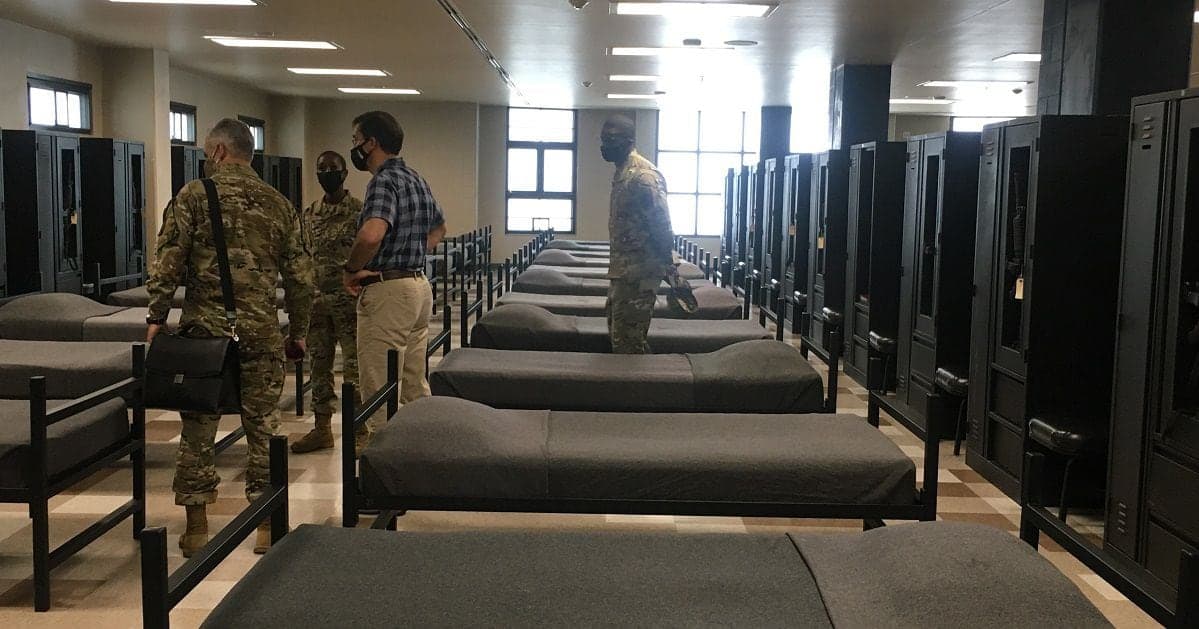
The Air Force’s main basic training site in San Antonio was dealing with at least 159 flu cases among recruits and two hospitalizations, an outbreak that struck the service’s busiest entry point just after annual vaccination became optional. At Joint Base San Antonio-Lackland, where close-quarter training and barracks life can spread respiratory illness fast, the surge became a readiness issue as much as a medical one.
One source told ABC News the number of cases and hospitalizations may have been higher. The outbreak followed Defense Secretary Pete Hegseth’s April 21 announcement that the annual flu vaccine would be voluntary for active and reserve component service members and Department of War civilian personnel, and a Pentagon memo said the change took effect immediately.

Lackland is where all Department of the Air Force basic military training is conducted. The base says it trains about 35,000 recruits a year across seven squadrons and one detachment, making it the central pipeline for active-duty Air Force, Space Force, Air National Guard and Air Force Reserve trainees.
That scale is what makes the outbreak consequential. A flu wave at the place that processes new recruits can disrupt class flow, slow graduation timelines and pull attention toward medical screening instead of training. Even a short-lived surge matters at a site designed to move thousands of new service members through the force every year.
Joint Base San Antonio is the Air Force’s lead installation in the region and also includes JBSA-Fort Sam Houston and JBSA-Randolph. The outbreak at Lackland therefore sits inside a wider military network in San Antonio, where service members, instructors and support staff move across several installations tied together by daily operations.
San Antonio and Bexar County already track influenza through respiratory-illness dashboards that monitor influenza trends, emergency department visits and laboratory surveillance. That local monitoring underscores how the outbreak fit into a broader public-health picture in a city that hosts one of the military’s most important training hubs, and it raises the stakes for how the Air Force manages respiratory illness inside tightly packed training environments.
This article was produced by Prism’s automated news system from verified source data, official records, and press releases, then run through automated quality and moderation checks before publishing. The system is built and supervised by the people who set the standards it runs under. Read our full AI policy.
Did this article answer your question?