Air Force begins replacing aging Minuteman III missiles with Sentinel system
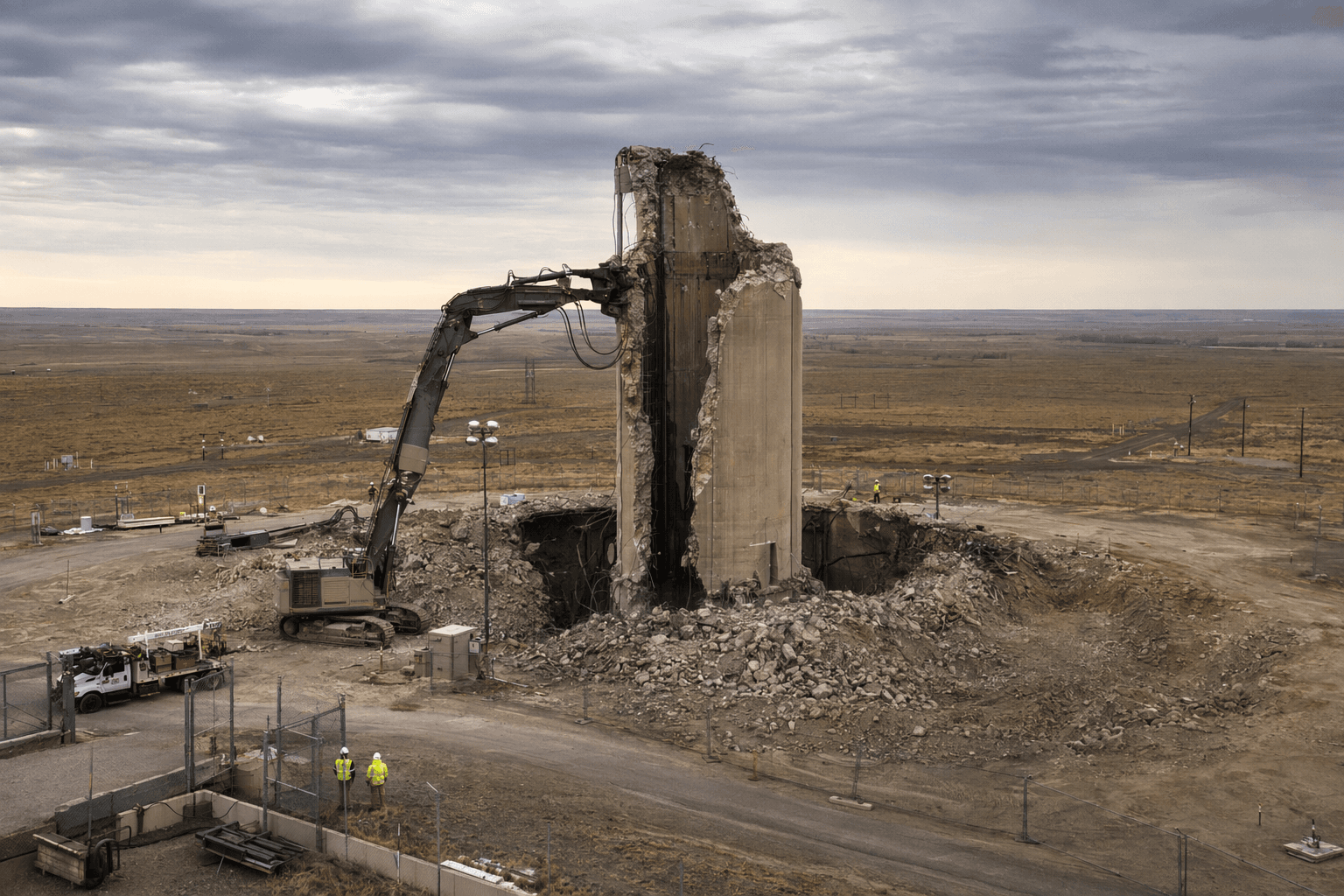
The Air Force has started pulling down a Minuteman III silo as a costly Sentinel rebuild threatens to stretch into the 2050s and reshape budgets across five states.

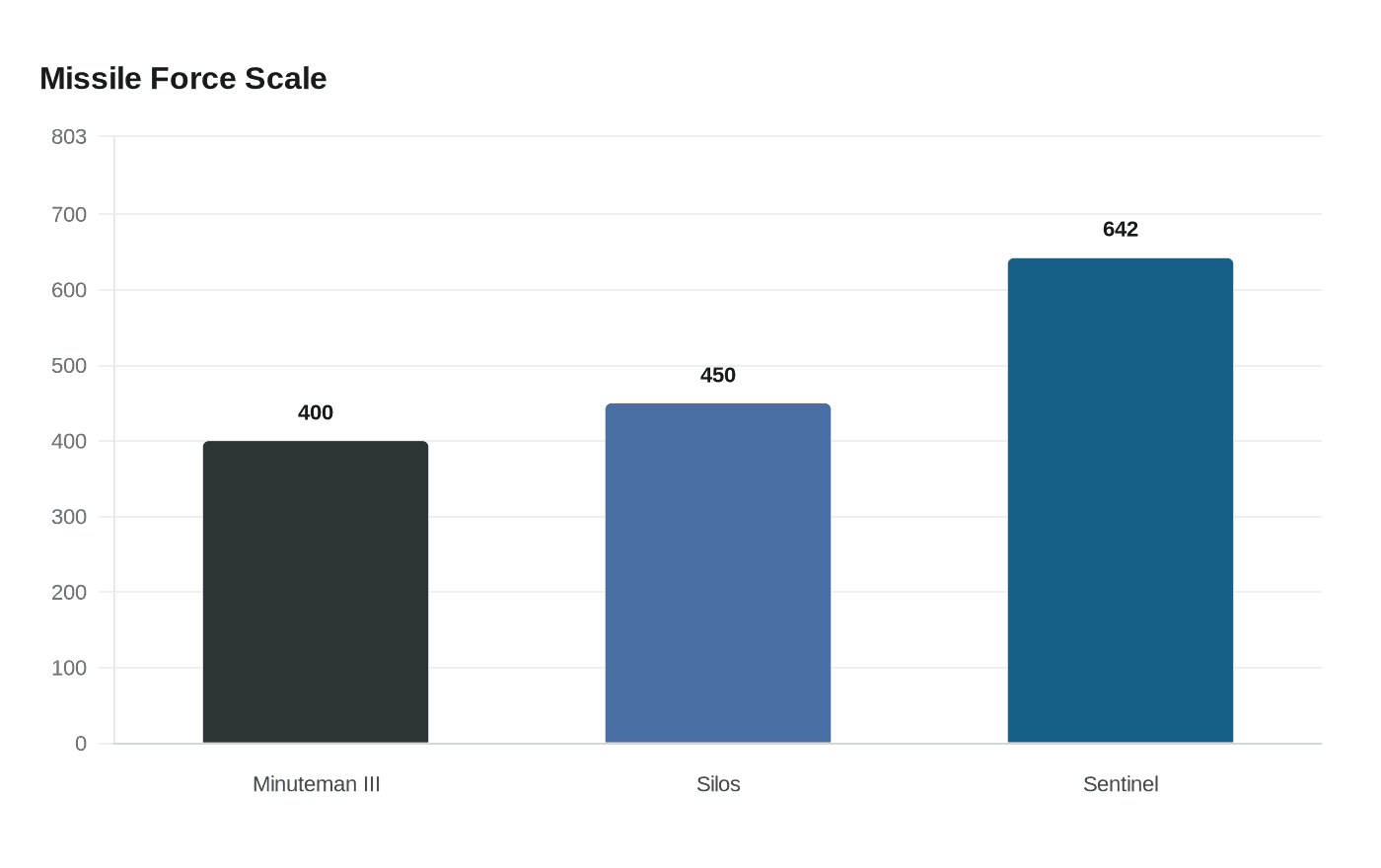
The Air Force has begun the long handoff from a cold-war missile force to a modern system that could cost taxpayers roughly $141 billion and keep demanding upkeep for decades. At stake is the land-based arm of the U.S. nuclear triad, a network of 400 Minuteman III missiles spread across 450 operational silos in Wyoming, Montana, North Dakota, Colorado and Nebraska.
The Minuteman III entered service in the early 1970s and was built for a 10-year life, not more than 50 years of service. The replacement, the LGM-35A Sentinel, is supposed to take over that mission with new hardened silos, launch centers and fiber-optic communications, while keeping the number of land-based nuclear missiles on alert in the continental United States unchanged during the transition.
The scale of the job is huge. The Congressional Research Service said the Air Force planned to buy 642 Sentinel missiles to support a 400-missile force, with initial operational capability expected in 2029 and full deployment by 2036. But the schedule has already slipped. On Jan. 18, 2024, the Air Force told Congress that Sentinel had exceeded its baseline cost projections, and the Pentagon later announced a critical Nunn-McCurdy breach review result on July 8, 2024.

The Government Accountability Office said in 2025 that the move from Minuteman III to Sentinel is the most complex project the Air Force has ever undertaken. It also said the service had not developed a transition risk management plan and that transition work was on hold while the Defense Department restructures the program. GAO warned that the Air Force may have to keep operating Minuteman III through 2050 if Sentinel delays continue, raising the odds of more spending on a force already far past its intended lifespan.

The first Minuteman III silo was taken offline at F.E. Warren Air Force Base in Wyoming in September 2025, marking an early step in the broader shutdown of the aging system. The transition will reverberate across the missile field centered on F.E. Warren, Malmstrom Air Force Base in Montana and Minot Air Force Base in North Dakota, where crews, contractors and local communities are being asked to absorb the security, environmental and economic costs of replacing one of the most durable weapons systems ever fielded by the United States.
This article was produced by Prism’s automated news system from verified source data, official records, and press releases, then run through automated quality and moderation checks before publishing. The system is built and supervised by the people who set the standards it runs under. Read our full AI policy.
Did this article answer your question?