Air stagnation advisory keeps valley smoke and exhaust trapped
An air stagnation advisory remained in effect through Jan. 19, trapping smoke and exhaust in Baker County and raising pollution risk. Residents with respiratory issues should limit outdoor exertion.
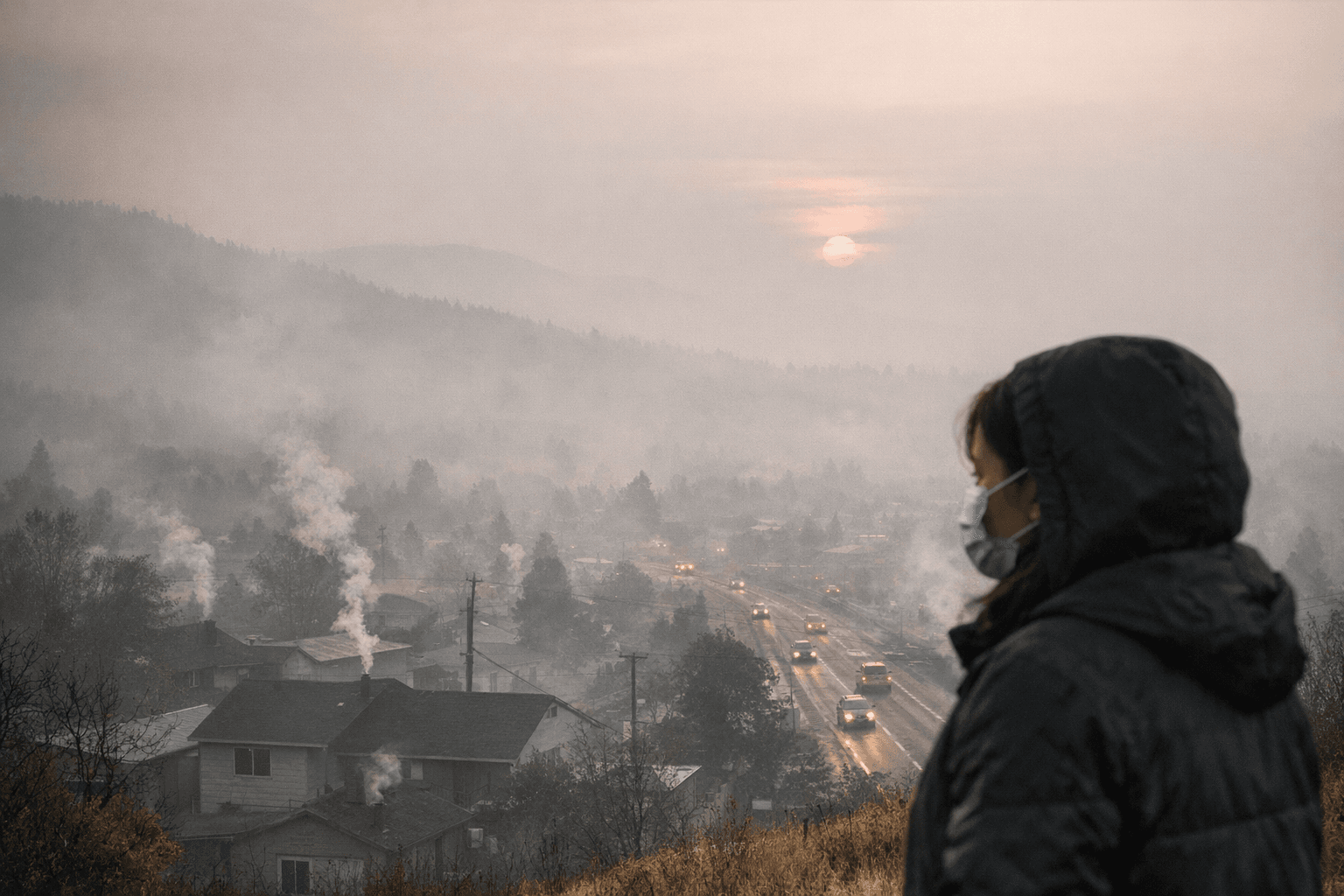
The National Weather Service issued an air stagnation advisory that covered Baker County and neighboring areas and remained in effect through at least Jan. 19, as a persistent high-pressure ridge and a temperature inversion trapped cold air in the valley. The setup restricted vertical mixing of the atmosphere, allowing pollutants from woodstoves, vehicle exhaust and other sources to accumulate near ground level.
Baker City’s daily Air Quality Index was in the "Good" category (50 or lower) for much of early January, but on Jan. 13 the daily average rose to 52, nudging into the low end of the "Moderate" category. The highest hourly reading that day reached 63. Those modest increases signal that even small prolonged sources of smoke and exhaust can push local air quality upward when the air is not moving.
Nearby communities such as Pendleton, John Day and Enterprise have shown similar patterns during inversion events, with local readings generally following the same trend of good air that slips toward moderate on persistent calm, cold days. Because inversions act like a lid over the valley, emissions that would normally disperse instead linger and build up over several days.
Health officials warn that prolonged exposure to increased particulate matter can affect people with asthma, COPD, heart conditions, older adults and young children first. For most healthy adults, short periods of moderate AQI present limited risk, but the potential for symptoms increases with prolonged exposure or exertion. Outdoor workers and those who use wood heat should be particularly mindful during multi-day stagnation events.
The advisory is weather driven rather than tied to a single pollution source, which means the duration depends on when the high-pressure ridge breaks down or a storm moves through to restore mixing. Forecast models indicated the pattern could persist through the advisories’ stated interval, so residents should monitor conditions and plan accordingly.
Practical steps: limit outdoor exertion during late morning and evening hours when pollution can peak, reduce or defer wood burning where possible, avoid unnecessary vehicle idling, and run indoor air filters if available. Check local Air Quality Index updates for Baker City before planning outdoor activities and check on neighbors who are vulnerable to poor air.
The takeaway? When the valley locks in cold air, even small everyday sources of smoke and exhaust add up. Our two cents? If you burn wood, dial it back during the inversion and keep an eye on the AQI so you don’t get caught outside when conditions worsen.
Sources:
Know something we missed? Have a correction or additional information?
Submit a Tip