Airbnb courts Black pastors to rebuild New York short-term rental business
Airbnb is leaning on Black clergy to recast its New York comeback as a neighborhood equity fight while the city keeps only about 3,000 short-term rental registrations alive.
Airbnb is trying to turn New York’s short-term rental fight into a coalition politics campaign, courting Black pastors as it seeks to rebuild support in neighborhoods where it says hosting income can help homeowners and small businesses. The move is less about simple market access than about reframing a business model that city officials say has pulled tens of thousands of apartments into illegal tourist use.
The clash centers on Local Law 18, adopted by New York City on January 9, 2022, and enforced against booking platforms starting September 5, 2023. The law bars platforms from processing transactions for unregistered short-term rentals and requires hosts to meet strict conditions, including the permanent resident being present and a limit of no more than two guests under the host-present model. City officials say the crackdown has sharply reduced illegal activity in a city with a 1.4% vacancy rate that has left housing supply under intense pressure.
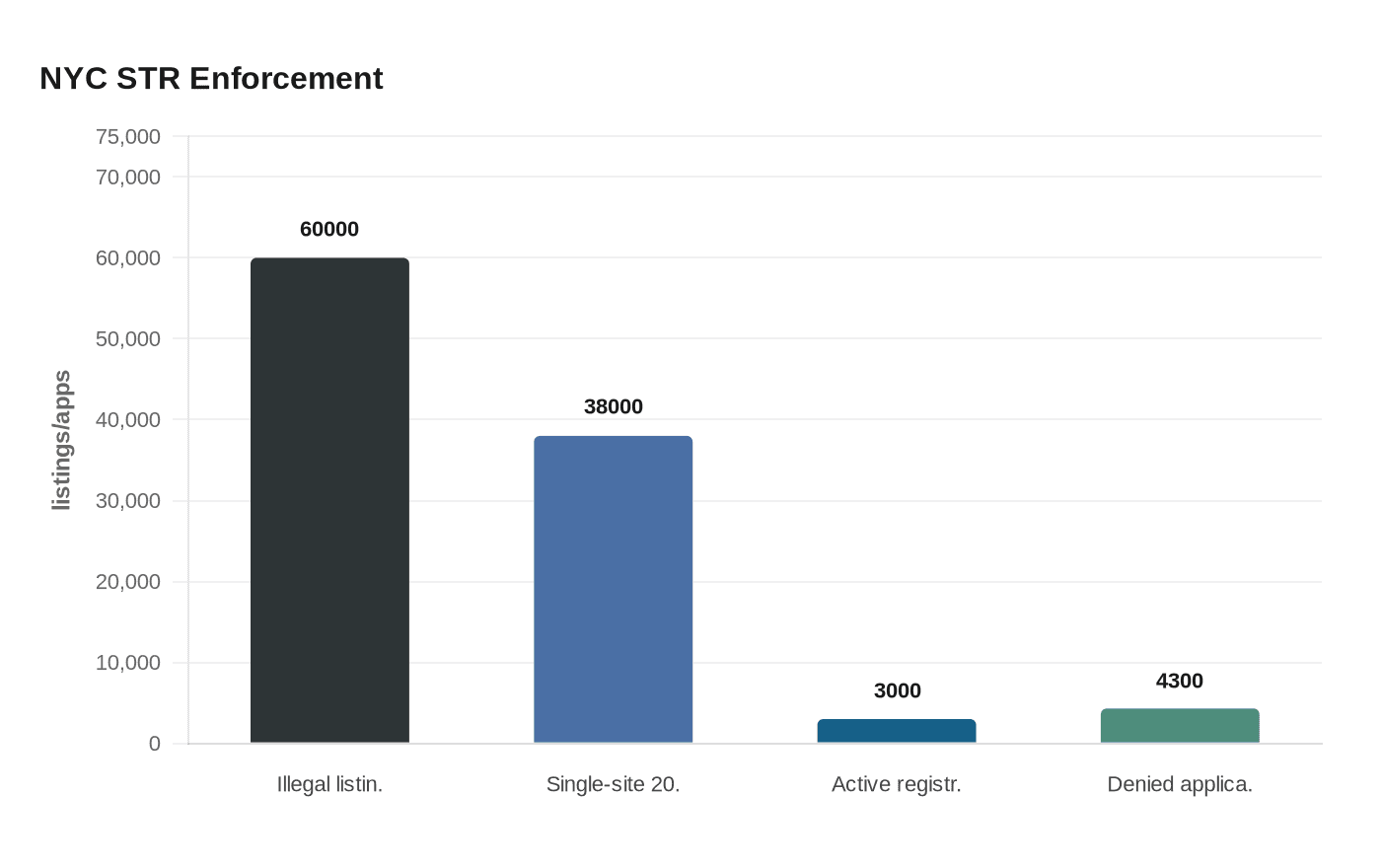
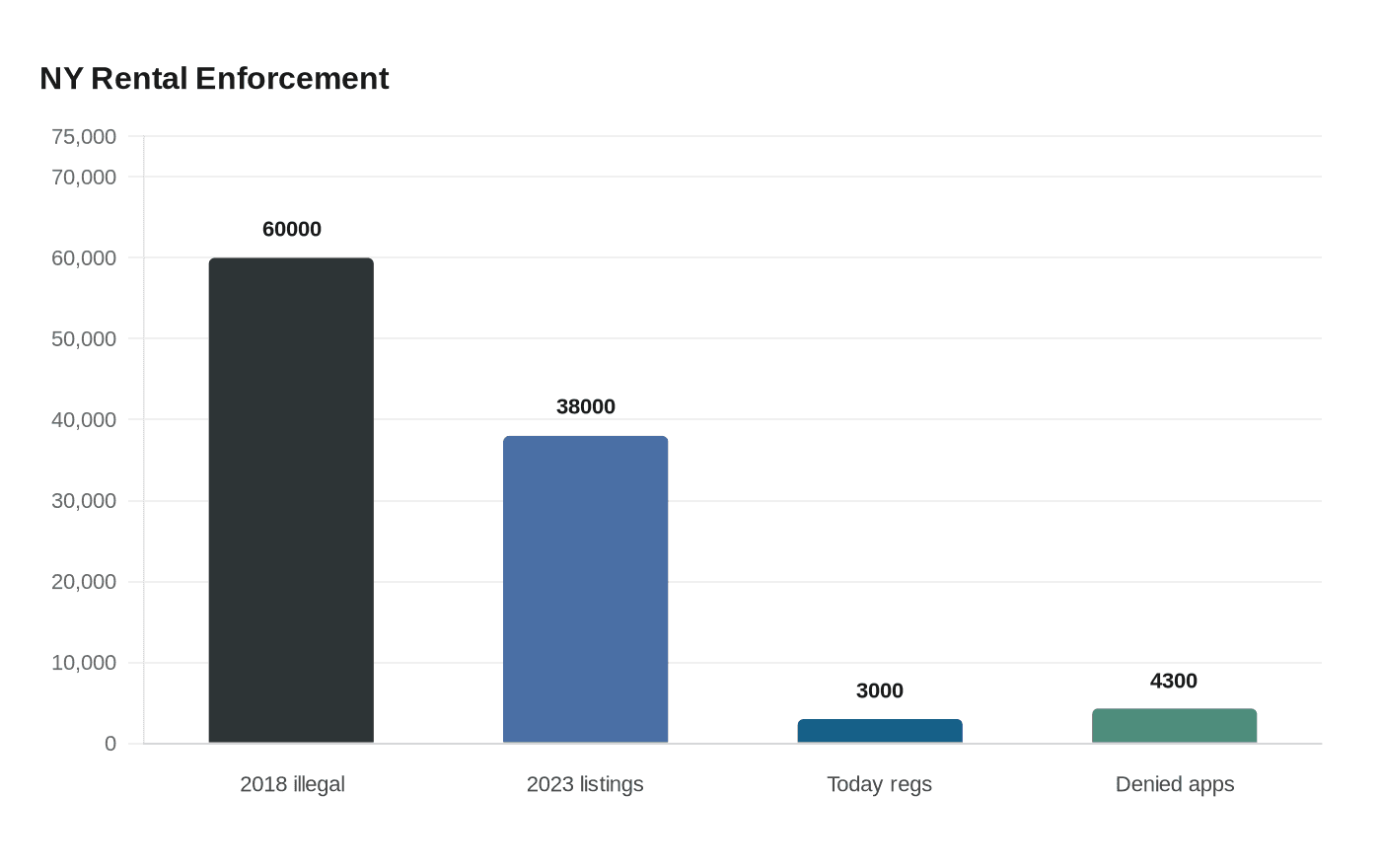
The Mayor’s Office of Special Enforcement says there were an estimated 60,000 illegal listings on major booking platforms in 2018 and more than 38,000 active listings on a single site at the beginning of 2023. Today, the city says there are about 3,000 active short-term rental registrations, and more than 4,300 applications were denied for noncompliance in the last year. Officials also estimate that as many as 18,000 units of permanent housing were being used as illegal short-term rentals by 2018, a figure that puts the dispute squarely at the intersection of housing policy and tourism economics.
Airbnb argues the law has not solved affordability and has instead pushed demand into more expensive channels. In its New York policy reports, the company says listings fell roughly 90% to 92%, outer-borough listings dropped from about 17,000 to 1,400, and roughly 80,000 fewer guests per month were using the platform in the outer boroughs after the rule took effect. Airbnb has also pointed to a 2025 policy post saying the average hotel room in New York City reached a record $320 and that Manhattan median rent topped $4,000 a month for the first time on record.
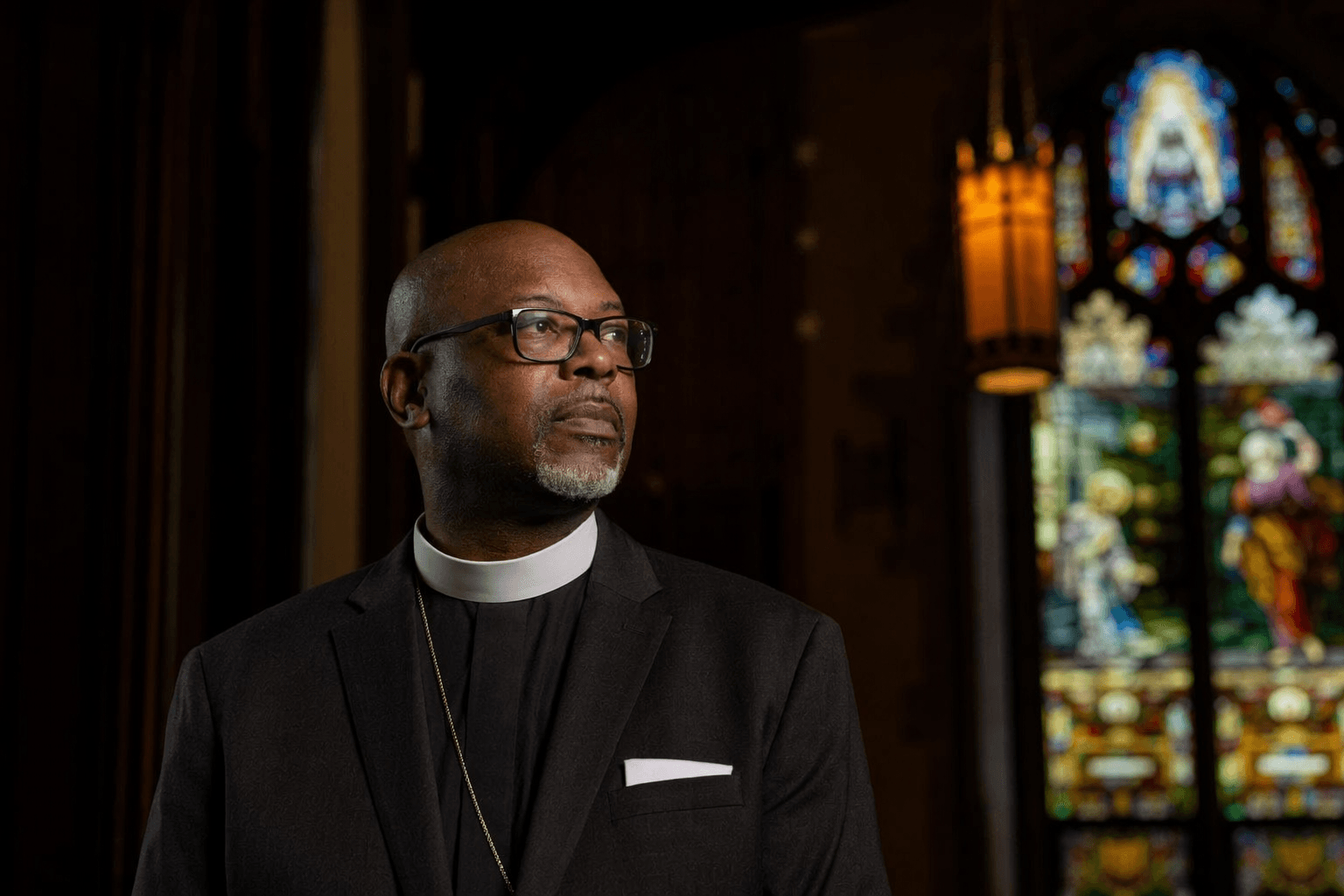
The company’s outreach to Black pastors appears designed to soften opposition in Black neighborhoods and outer-borough communities by linking Airbnb to local wealth-building rather than speculation. That pitch will face an aggressive counterargument from the city, which says the law protects scarce housing stock and has already helped curb illegal activity. The stakes are high enough that the city has pursued enforcement in court, including a lawsuit alleging illegal short-term rentals in rent-stabilized Manhattan buildings and possible penalties that could exceed $4 million.
This article was produced by Prism’s automated news system from verified source data, official records, and press releases, then run through automated quality and moderation checks before publishing. The system is built and supervised by the people who set the standards it runs under. Read our full AI policy.
Did this article answer your question?

