Airbus aims to nearly double earnings by 2029, unveils 5 billion euro buyback
Airbus set a 2029 profit target of 12 billion to 13 billion euros and a 5 billion euro buyback, lifting shares about 3.4% as supply strains linger.
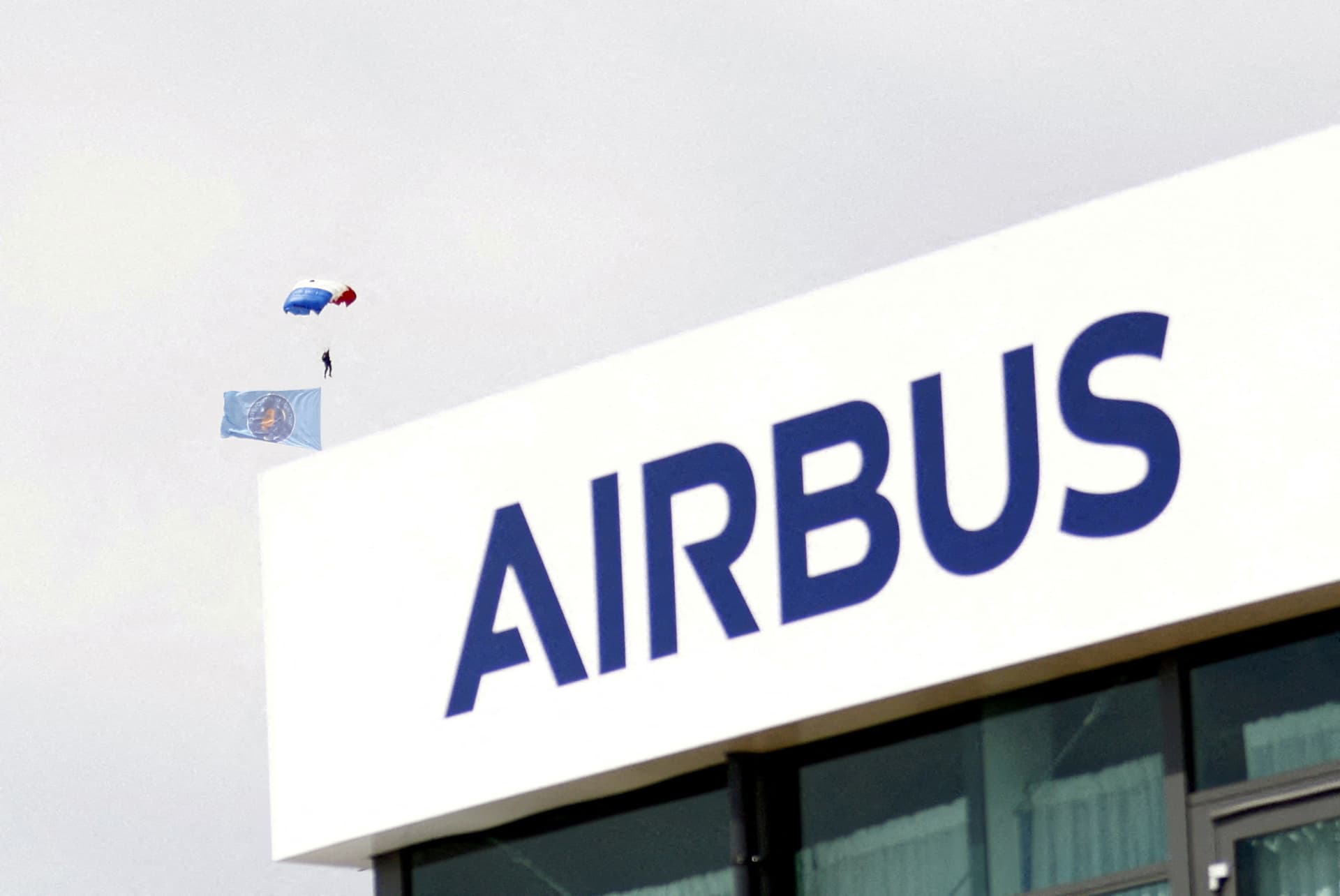
Airbus said on July 21 it aims to lift adjusted operating profit to 12 billion to 13 billion euros by 2029 and launched a 5 billion euro share buyback, a combination that sent its shares up about 3.4% and underscored confidence in the jet market. The targets came as the company used its Business Update during the Farnborough International Airshow 2026 in England, a setting that puts aircraft demand, delivery schedules and factory output under an especially bright light.
The plan goes beyond a single earnings milestone. Airbus said its commercial aircraft division is expected to generate around 10 billion euros in operating profit by 2029, a level that implies stronger pricing, steadier output and continued demand from airlines replacing older fleets. Airbus was founded in 1970 as Europe’s answer to U.S. dominance in commercial aviation and Boeing’s market power, and that old rivalry still shapes the industry: when Airbus sees room to raise profits and return cash, Boeing is forced to defend its own production, pricing and delivery credibility.
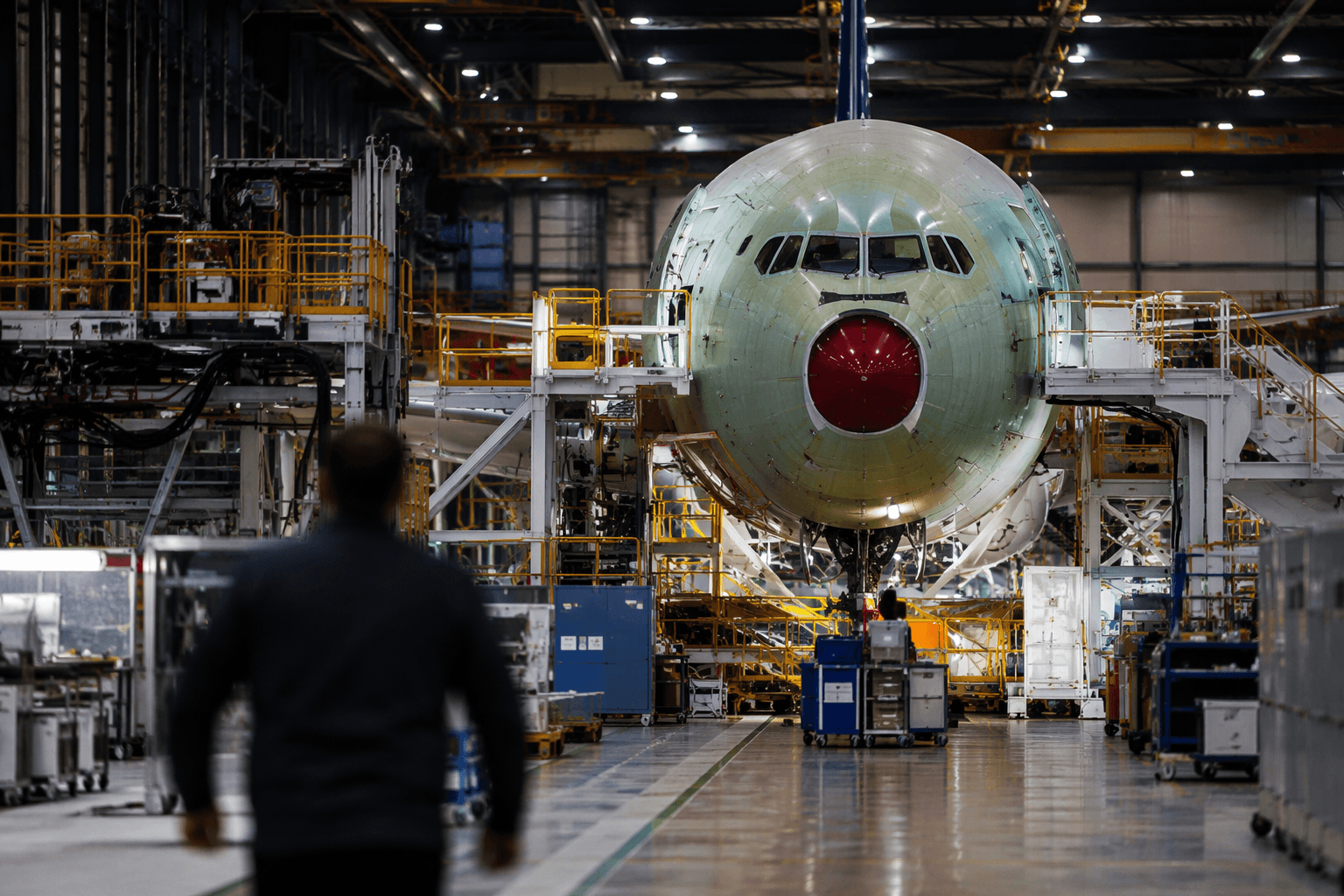
For airlines, the stakes are practical. A stronger Airbus can mean more predictable deliveries and more capacity to build aircraft, but also a manufacturer confident enough to keep more value for shareholders. That matters on both sides of the Atlantic because Airbus and Boeing sit at the center of fleet renewal, assembly-line jobs and the capital costs airlines pass through to ticket prices. If aircraft makers cannot ramp production, carriers keep paying for older jets, heavier maintenance and fuel burn. If they can, airlines have more room to refresh fleets and manage operating costs.
The buyback also signals that Airbus believes it has enough balance-sheet strength to reward investors while still funding industrial needs, from factory expansion to supply-chain resilience. That balance is the hard part. Airbus has faced continued pressure from engine shortages, which chief executive Guillaume Faury called “unsatisfactory,” and the company later cut its 2025 commercial aircraft delivery target after fuselage panel quality issues in the A320 family.
Against that backdrop, the 2029 targets amount to a statement of intent. Airbus is betting that demand for new planes, especially in the narrowbody market, will stay strong enough to support higher profits even as suppliers remain tight and production discipline becomes more important. The question for the aerospace race is whether Airbus can turn that confidence into delivered jets, not just a higher valuation.
This article was produced by Prism’s automated news system from verified source data, official records, and press releases, then run through automated quality and moderation checks before publishing. The system is built and supervised by the people who set the standards it runs under. Read our full AI policy.
Did this article answer your question?