Airline chiefs say new fuel-saving engines are costly and unreliable
Airlines say newer jet engines are stranding planes in repair shops, eroding promised fuel savings and threatening thinner schedules, higher costs and more fare pressure.

Airline executives meeting in Rio de Janeiro said the latest generation of fuel-saving jet engines is creating a growing operational drag, with aircraft pulled from service earlier than expected and sent into crowded repair shops. That is reducing the efficiency gains airlines expected when they bought the equipment, while capacity remains tight and fuel costs are climbing.
The pressure was clear at the International Air Transport Association’s annual meeting, held in Rio from June 6 to 8 and hosted by LATAM Airlines Group. WestJet chief executive Alexis von Hoensbroech said the new engines can deliver fuel savings of around 15% or more versus earlier models, but he argued that reliability problems are eating into that benefit through unscheduled maintenance and added expense.
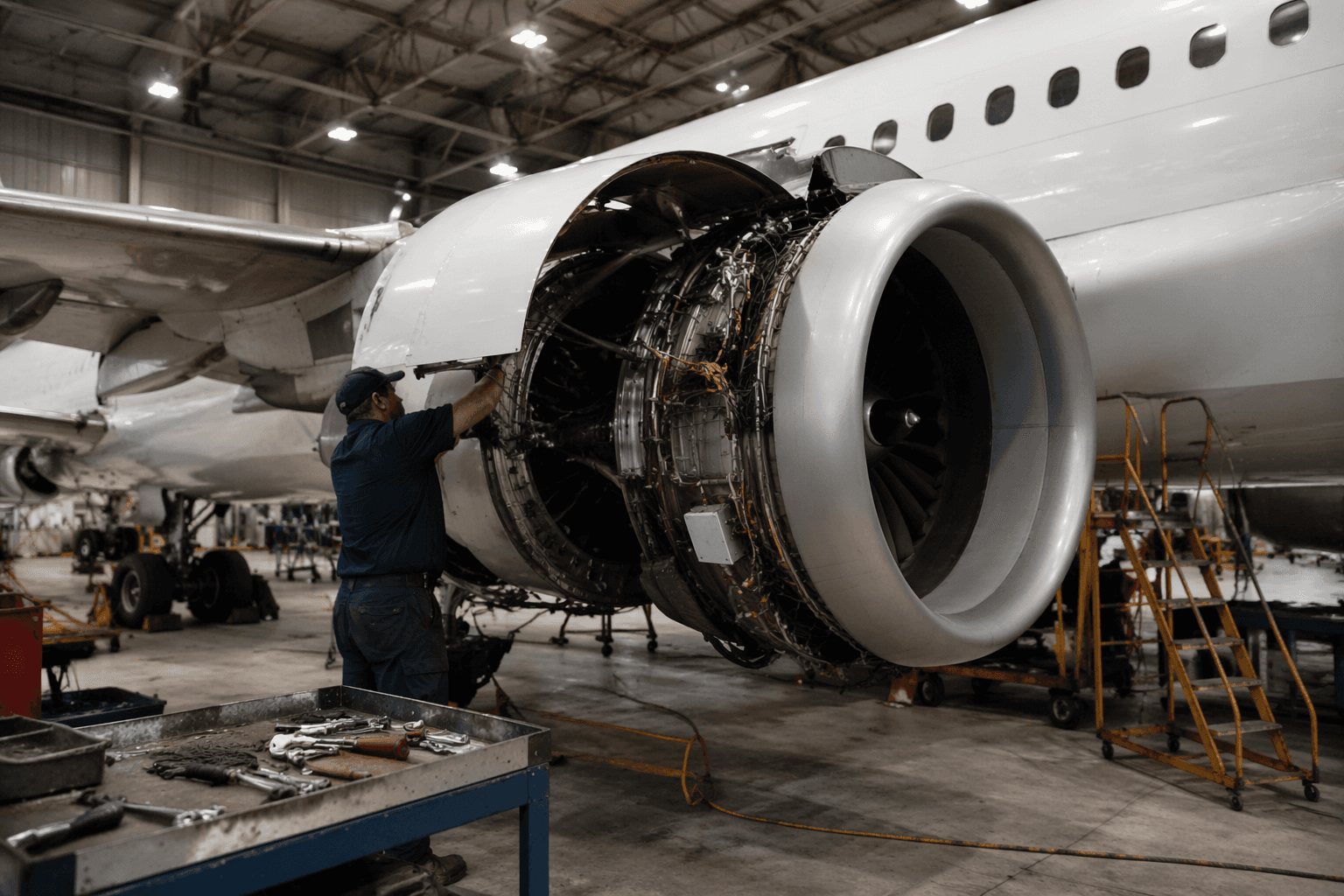
For airlines, the issue is not abstract. Engines that run hotter and push the limits of engineering can be harder to maintain, meaning more spare-engine planning, more time on the ground and more disruption to schedules. That is especially painful when aircraft deliveries remain constrained and a single grounded jet can force carriers to trim routes or fly fuller planes with less flexibility.
The concern has become more acute as jet fuel prices have risen sharply, driven in part by the U.S. and Israel’s war with Iran. Willie Walsh, the head of the global airline body, warned in Rio that higher fuel prices could push more airlines into bankruptcy and spur consolidation in 2026 and 2027. He has also said engine makers are raising repair prices even as durability falls short and maintenance backlogs lengthen.
The strain is already visible at individual airlines. ITA Airways is weighing whether to sue Pratt & Whitney over engine faults and said almost 20% of its 80-aircraft fleet has been grounded by the problem. Hundreds of Airbus A320neo aircraft have also been grounded globally because of Pratt & Whitney issues, underlining how quickly an engine fault can ripple through an airline’s network.
Manufacturers are still defending the technology. GE Aerospace said in May that LEAP engines being shipped today should match the durability of the older CFM56, while Rolls-Royce said in February that its pricing reflected supply-chain disruption and higher costs. But airline chiefs in Rio made clear that the central test is not what the engines promise on paper. It is whether they stay on wing long enough to keep planes flying and the economics of an airline intact.
This article was produced by Prism’s automated news system from verified source data, official records, and press releases, then run through automated quality and moderation checks before publishing. The system is built and supervised by the people who set the standards it runs under. Read our full AI policy.
Know something we missed? Have a correction or additional information?
Submit a Tip