Airlines cap fares for stranded Spirit passengers after shutdown
Major airlines moved to cap fares for stranded Spirit passengers, but rebooking options are uneven and some travelers must act within hours.

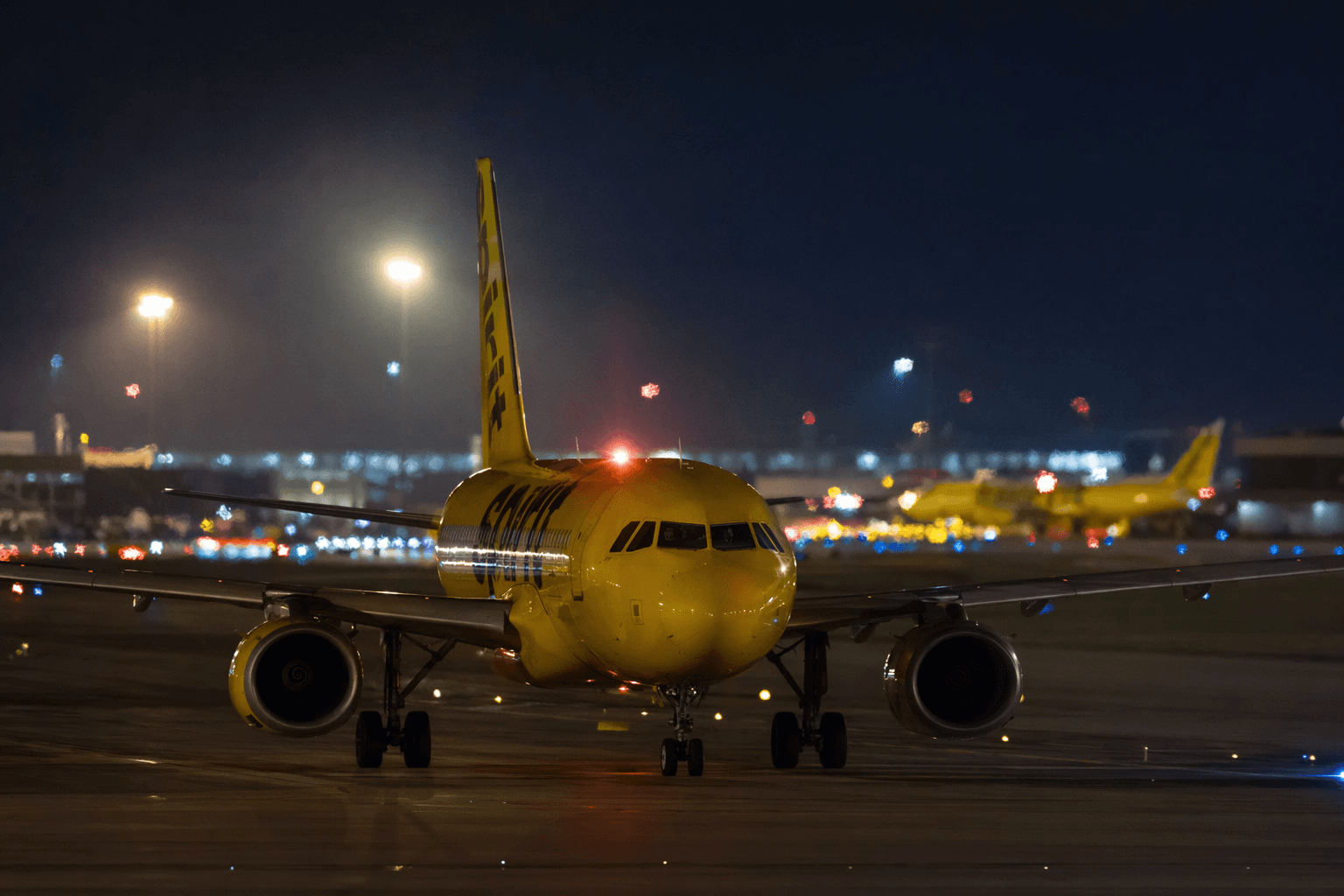
Spirit passengers scrambling after the carrier’s shutdown had a patchwork of rescue options on Saturday, with United Airlines, Delta Air Lines, JetBlue Airways and Southwest Airlines capping fares for travelers rebooking canceled flights. The special prices required a Spirit flight confirmation number and proof of payment, but the windows were tight: JetBlue’s offer lasted 72 hours, Southwest’s was available for 72 hours only at an airport ticket counter, Delta’s ran for five days, and United’s stayed open for two weeks online.
The relief was broader than just those four carriers. American Airlines and Delta said they were offering reduced fares on high-volume Spirit routes, Allegiant Air said it would freeze fares on overlapping routes, and Frontier Airlines said it would sell base fares at up to 50% off across its network until May 10. Together, the moves gave stranded Spirit customers several ways to get home, but the terms varied sharply by airline, channel and route, leaving some travelers with far more limited options than others.
The Department of Transportation said it had coordinated with major U.S. carriers after Spirit Airlines announced it was ceasing operations effective immediately and entering an orderly wind-down. Transportation Secretary Sean P. Duffy said the goal was to keep travelers from being stranded, preserve route access for communities, prevent fares from surging, and help Spirit workers find new jobs. The department also pointed travelers to its customer-service dashboard, which tracks airlines’ commitments for controllable cancellations and delays.
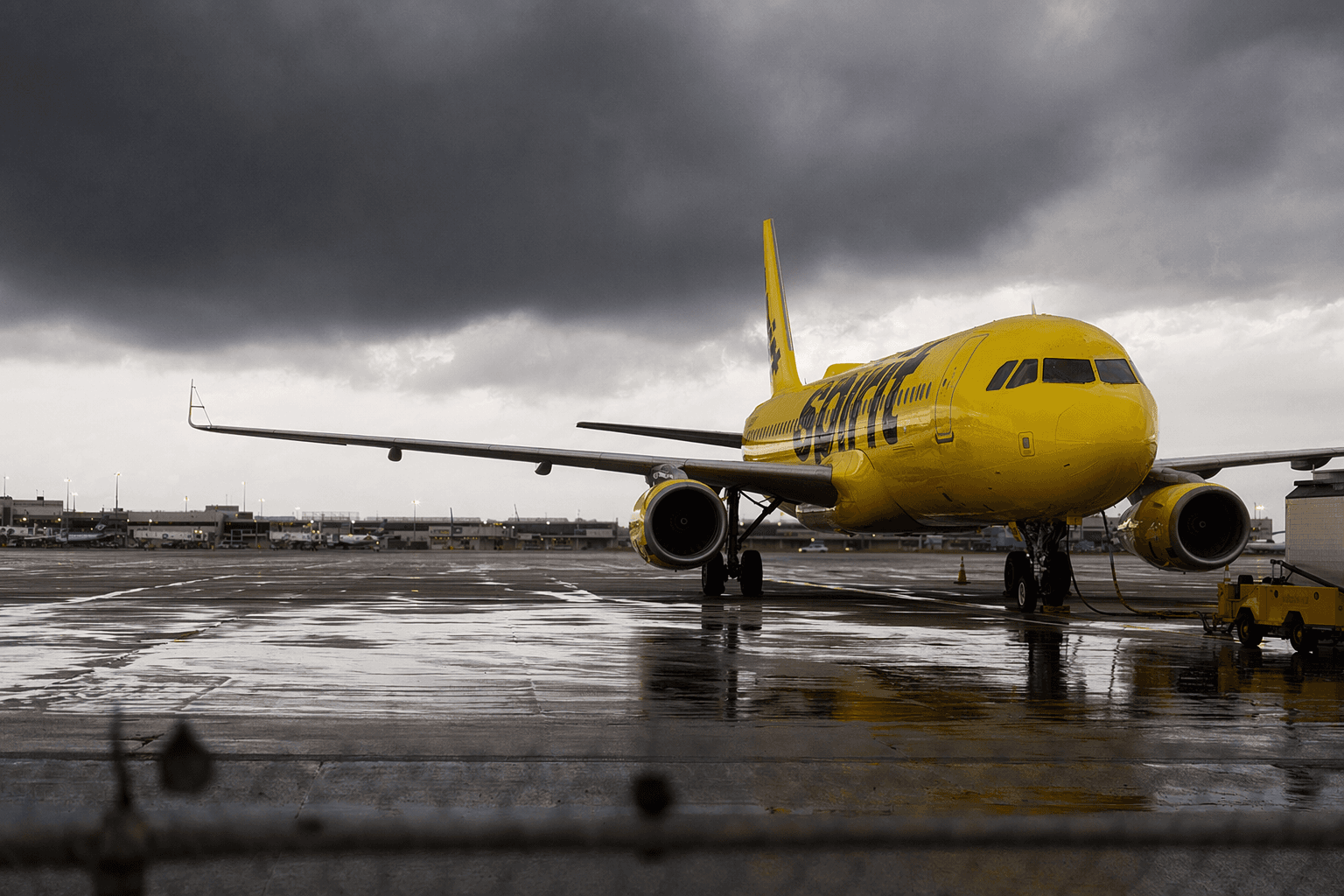
Spirit’s collapse ended 34 years in business and followed years of financial trouble, including a failed bid for a reported $500 million federal bailout. Reuters reported the shutdown would cost thousands of jobs and described Spirit as the airline industry’s first casualty linked to the Iran war, after jet fuel prices doubled during the two-month conflict. The carrier had also been under pressure before, including a 2024 pilots’ union dispute that led to hundreds of cancellations and renewed scrutiny from federal regulators over airline customer-service obligations.
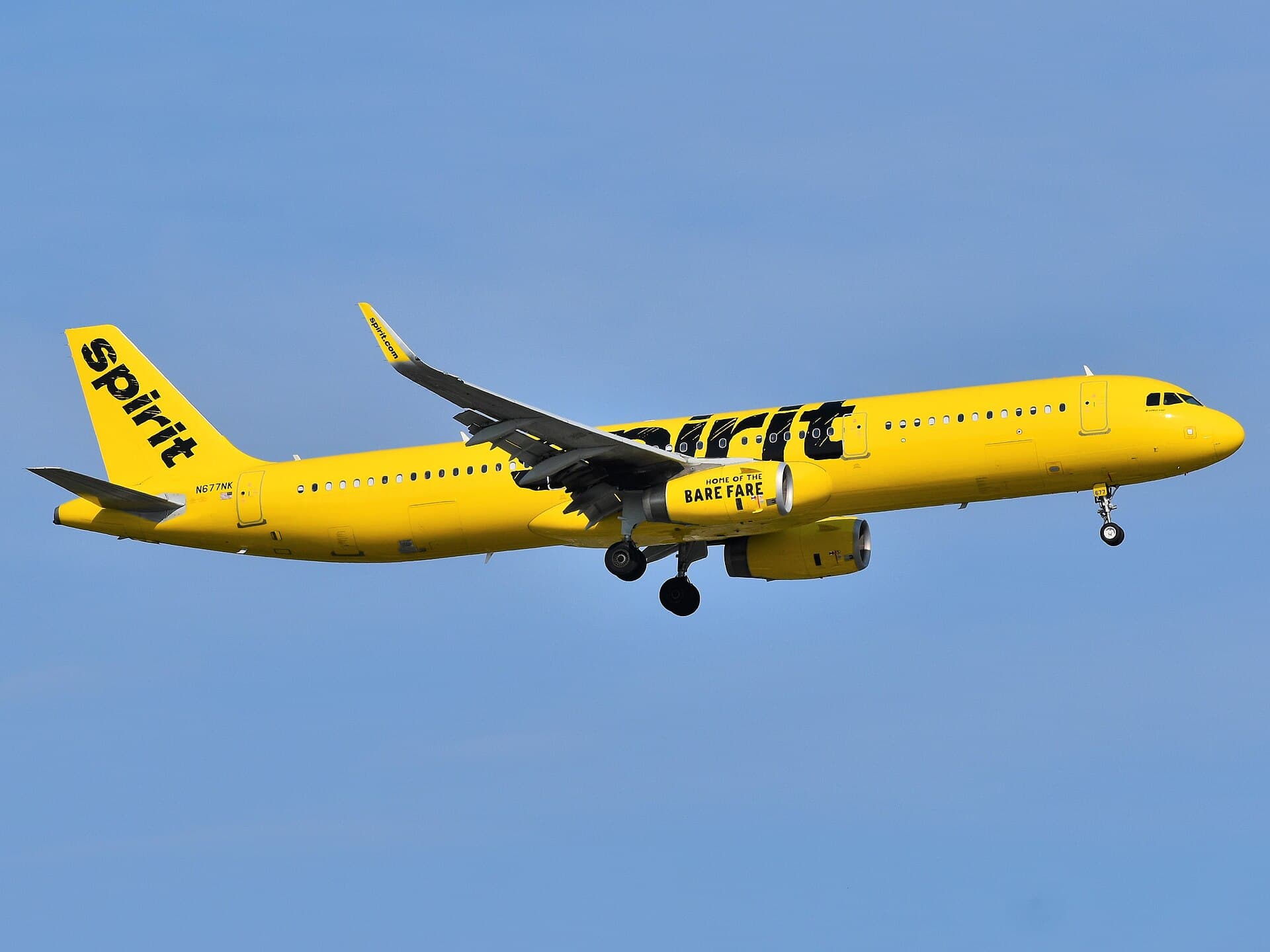
For the broader industry, Spirit’s disappearance raises a blunt question: whether the United States has a real emergency playbook when a major budget airline suddenly disappears. Saturday’s fare caps showed that carriers and regulators can move quickly when thousands of passengers are left in the air and on the ground. The gaps in eligibility, timing and booking channels showed how uneven that safety net still is.
Know something we missed? Have a correction or additional information?
Submit a Tip