Airlines raise fares, cut routes as Iran conflict drives fuel costs
Jet fuel jumped from about $99 to $209 a barrel, pushing airlines to raise fares, add surcharges and cut routes before summer travel peaks.
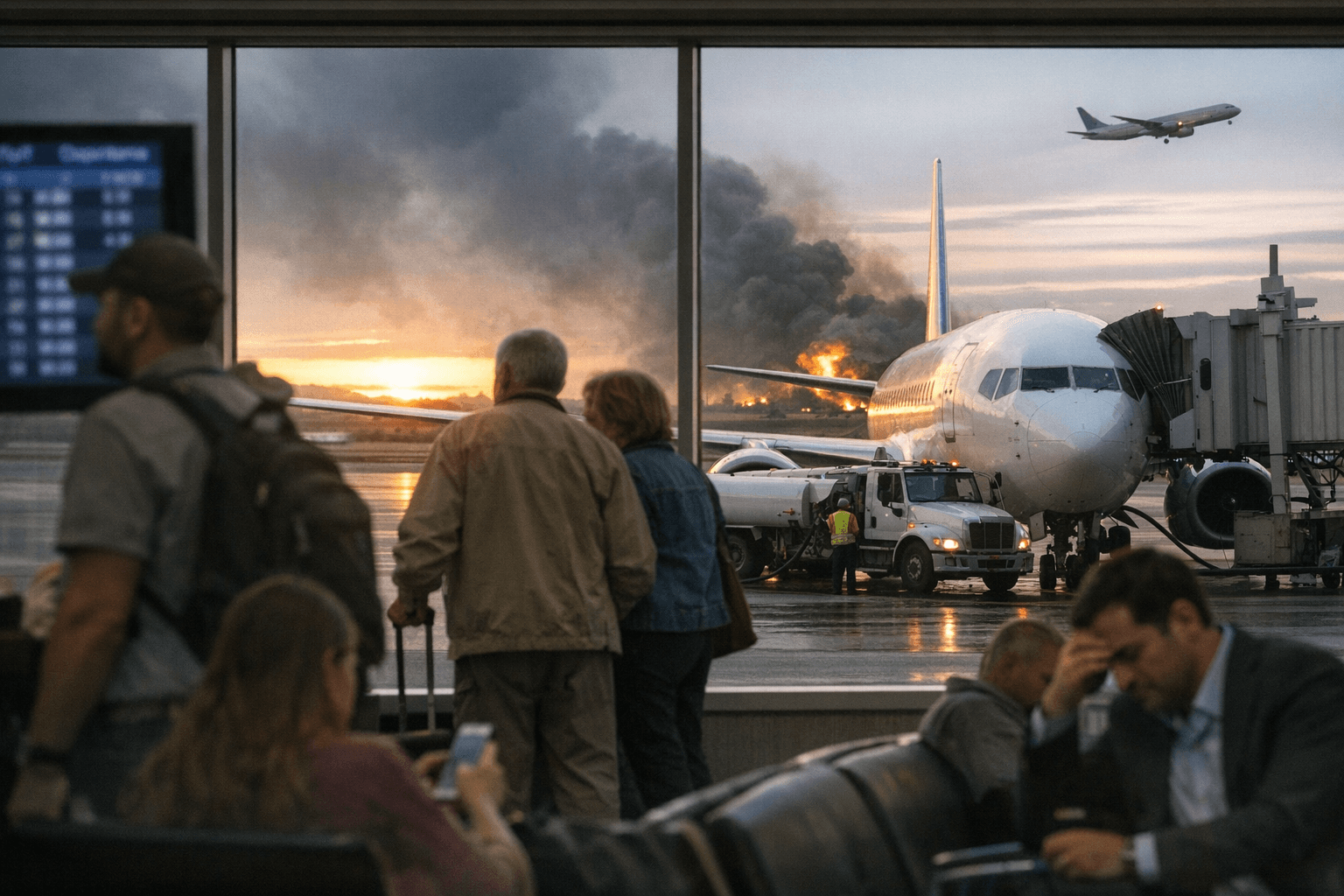
Airlines were already passing the pain to travelers as jet fuel costs surged, and Burbank, California, offered an early warning of how quickly a conflict in the Middle East could reach U.S. vacation budgets. Jet fuel is generally airlines’ biggest expense after labor and can account for 20% or more of operating costs, so even a short-lived spike can ripple through fares, route plans and profit forecasts.
The jump began after the U.S. and Israel attacked Iran, sending fuel markets sharply higher in late February and early March. Travel Weekly said jet fuel climbed from about $99 a barrel at the end of February to as high as $209 at the beginning of April. That kind of move has already forced carriers to act defensively, with analysts warning the hit could show up in first-quarter earnings and linger into the first half of the year if prices stay elevated.
Across the Pacific, Cathay Pacific said it would roughly double fuel surcharges starting March 18. Qantas raised fares as costs tied to fuel rose. Scandinavian Airlines said the increase was an “unusually rapid and substantial” one and pushed prices higher as well. Air New Zealand pulled its financial outlook until fuel markets and operating conditions stabilize, saying it had already made initial fare adjustments and might take more pricing action if needed.

The pressure is also showing up in the network map. Air Canada said it planned to suspend service to New York’s John F. Kennedy International Airport from June 1 through Oct. 25 to lower fuel costs, a sign that airlines are trimming where they can before the summer surge. Travel experts said many carriers have already raised checked bag fees or added fuel surcharges, and fares may stay high for months because airlines are moving conservatively while the outlook remains unsettled.
The International Energy Agency warned that Europe could run low on jet fuel within weeks, raising the risk of more severe cuts if the conflict drags on. Industry experts said normal production and delivery could still take a few months even after a ceasefire or peace agreement, leaving airlines from California to Europe facing a longer stretch of volatile fuel bills, thinner margins and fewer ways to absorb the shock.
This article was produced by Prism’s automated news system from verified source data, official records, and press releases, then run through automated quality and moderation checks before publishing. The system is built and supervised by the people who set the standards it runs under. Read our full AI policy.
Did this article answer your question?

