Alabama Governor Delays Primaries After Supreme Court Redistricting Ruling
Alabama pushed its congressional primaries back after a Supreme Court ruling reopened the state’s map and threatened one of two majority-Black districts. Civil-rights leaders said the shift could weaken Black representation before voters cast ballots.
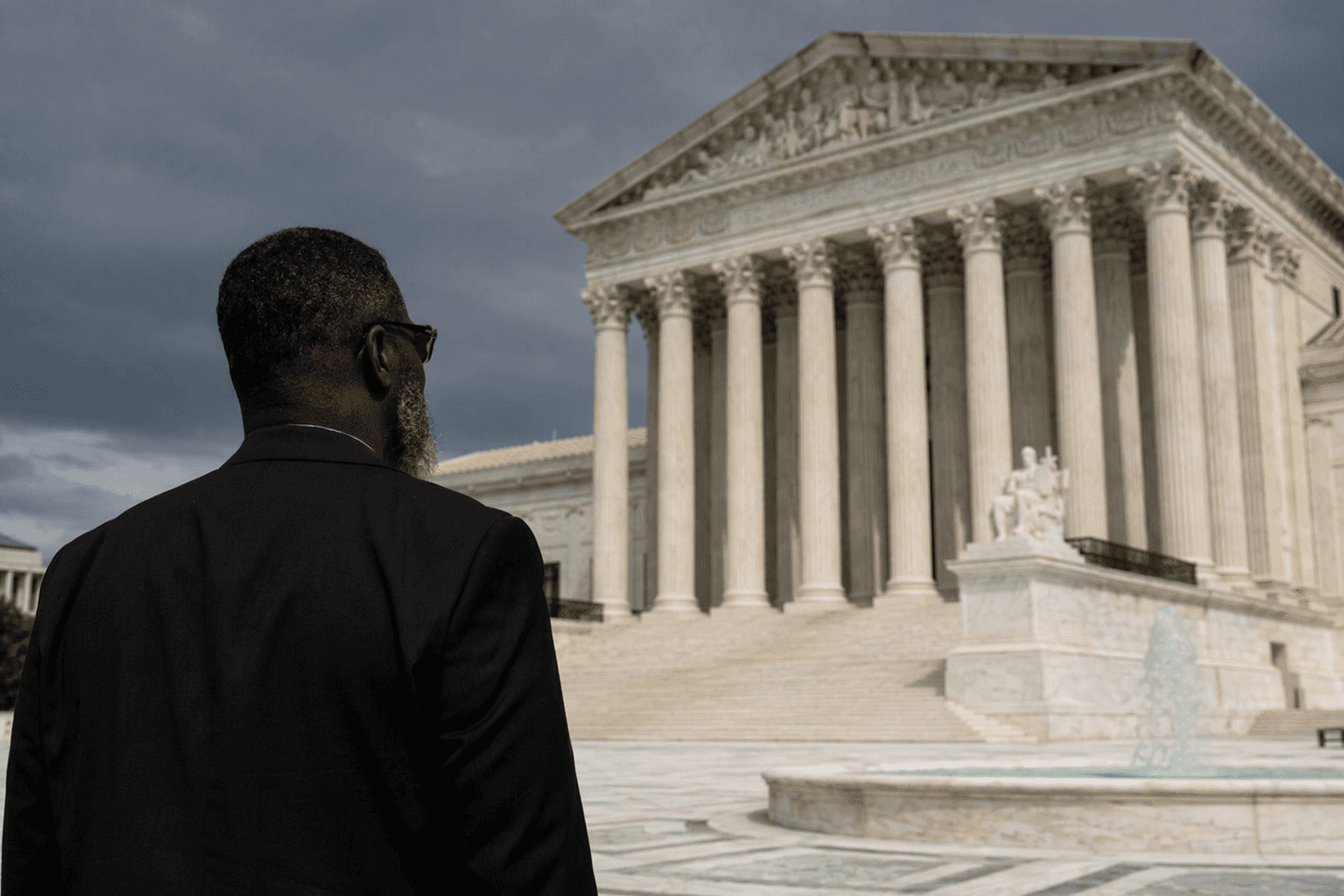
Alabama is rewriting its 2026 election calendar after the Supreme Court cleared the state to use a congressional map with only one majority-Black district, a move that could reshape who holds power in Washington before a single ballot is cast. Gov. Kay Ivey set a special primary for Tuesday, August 11, for congressional districts 1, 2, 6 and 7 after the Court’s 6-3 ruling on Monday vacated the court-ordered map used in recent elections.
The practical stakes are immediate. Alabama’s 2023 map had been drawn after the high court’s earlier decision in Allen v. Milligan required the state to create a second district where Black voters would have an opportunity to elect candidates of their choice. Now, after the Court’s April 29 decision in Louisiana v. Callais weakened the legal footing for race-based districting claims under Section 2 of the Voting Rights Act, Alabama officials said the state could revisit that earlier map and potentially eliminate one of its two largely Black congressional districts before the 2026 midterm elections. That could open an additional U.S. House seat for Republicans in a chamber that remains closely divided.
Ivey called the ruling a “major court victory” and said Alabama knows its districts best. Her office said qualifying with major political parties will begin Wednesday, May 20, and end Friday, May 22, at 5 p.m., while the general election remains set for Tuesday, November 3. The state had already enacted a law allowing it to void the results of the May 19 primary in some congressional districts and hold a new election under revised boundaries if the courts moved in Alabama’s favor.
Civil-rights groups see the ruling as a sharp setback for representation that Black voters in Alabama had only recently begun to see reflected in Congress. The NAACP said the court-ordered map used in the 2024 elections allowed Alabama to elect two Black representatives to Congress for the first time in history. Derrick Johnson, the NAACP’s president and chief executive, has warned that the latest decision is a devastating blow to the Voting Rights Act and to Black political power in the state.
The split on the Court also left a path for further legal fight. Justice Sonia Sotomayor’s dissent said the Louisiana ruling removed only one of the grounds used in the Alabama case and that a lower court could still find intentional discrimination under the 14th Amendment. For Alabama, the ruling is not just a map change. It is a power shift that will be tested again as the state redraws its districts and voters head into a compressed summer primary season.
This article was produced by Prism’s automated news system from verified source data, official records, and press releases, then run through automated quality and moderation checks before publishing. The system is built and supervised by the people who set the standards it runs under. Read our full AI policy.
Did this article answer your question?

