Alabama Governor Spares 75-Year-Old From Execution Over Fairness Concerns
Kay Ivey commuted Charles Burton's death sentence days before his execution, citing the injustice of executing a man who had left the scene before the fatal shot was fired.
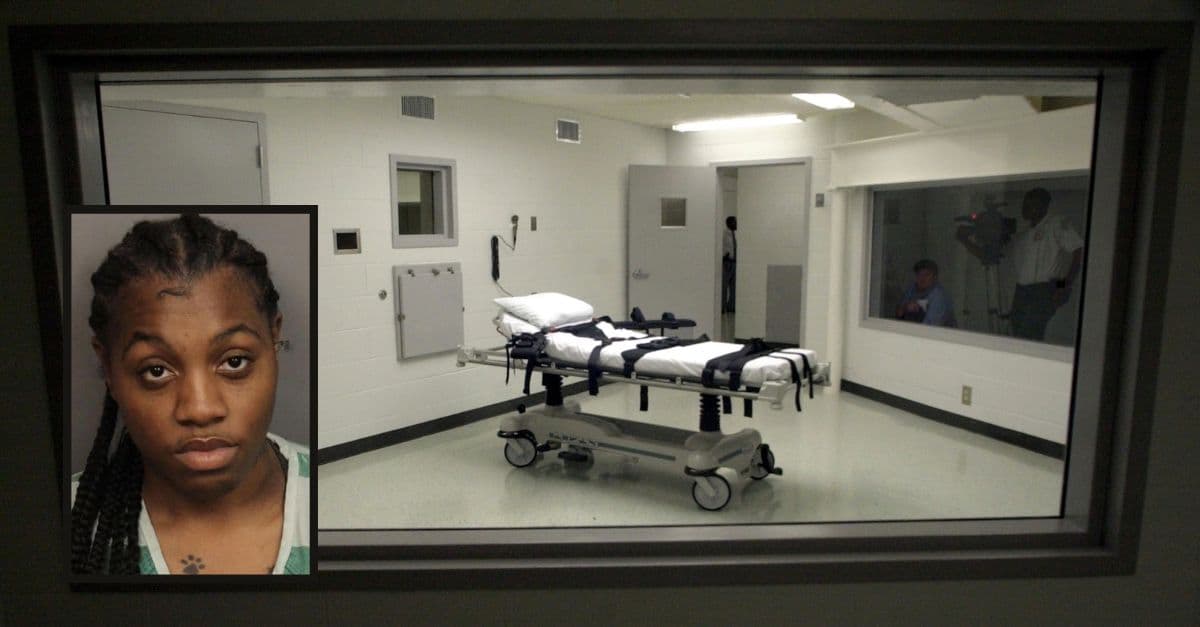
Alabama Gov. Kay Ivey commuted the death sentence of 75-year-old Charles "Sonny" Burton to life in prison without the possibility of parole on Tuesday, sparing him from an execution scheduled for later that week and marking only the second time she has granted clemency to a death-row inmate since taking office in 2017.
The case turned on a troubling factual asymmetry at its core: Burton was not in the building when the victim was killed. During the Aug. 16, 1991 robbery of an AutoZone auto parts store in Talladega, it was Burton's accomplice, Derrick DeBruce, who shot customer Doug Battle in the back after Burton and other robbers had already left the store. Battle had entered as the robbery was winding down and exchanged words with DeBruce before being shot. DeBruce was also originally sentenced to death, but his sentence was later reduced on appeal to life in prison, creating the disparity that ultimately prompted Ivey's intervention.
"I cannot proceed in good conscience with the execution of Mr. Burton under such disparate circumstances," Ivey said in her commutation statement. "I believe it would be unjust for one participant in this crime to be executed while the participant who pulled the trigger was not."
Ivey, a Republican who has presided over 25 executions during her tenure and describes the death penalty as "just punishment for society's most heinous offenders," framed her decision as a matter of proportionality rather than opposition to capital punishment. The commutation does not release Burton; he will remain at Holman Correctional Facility in Atmore for the rest of his life.
In a telephone interview from Holman last month, Burton described learning of the shooting. "I didn't know anything about nobody getting hurt until we were on the way back," he said. "No, nobody supposed to get hurt." He also issued a direct apology to the Battle family: "I'm so sorry. If I had the power to bring him back, I would. I'm so sorry."

The calls for clemency came from multiple directions. Several jurors from Burton's 1992 trial urged that his life be spared. Priscilla Townsend, one of those jurors, published an essay on AL.com in January stating she was wrong to have recommended the death penalty. Even the victim's daughter, Tori Battle, wrote an op-ed in the Montgomery Adviser asking Ivey to show mercy. "My love for my father does not require another death, especially one that defies reason," she wrote. "Mercy does not dishonor him. It honors the values he taught me."
Members of Burton's legal team cheered when the news arrived. Protesters had gathered outside the Alabama Governor's Mansion in the days leading up to the decision, urging Ivey to act. Burton, who is sometimes confined to a wheelchair, was 40 when the Talladega robbery took place and has spent more than three decades on death row.
Alabama has carried out 83 executions since the U.S. Supreme Court reinstated the death penalty in 1976, according to the Death Penalty Information Center. Ivey's willingness to intervene in a case defined by co-defendant disparity, while continuing to defend capital punishment as policy, reflects the narrow and contested ground on which American governors now weigh the limits of state-sanctioned execution.
This article was produced by Prism’s automated news system from verified source data, official records, and press releases, then run through automated quality and moderation checks before publishing. The system is built and supervised by the people who set the standards it runs under. Read our full AI policy.
Did this article answer your question?

