Alabama Indie Filmmaking Primer: Low-Budget Tips for Local Shoots
A practical primer gives Alabama indie filmmakers region-specific, low-budget strategies for local shoots to cut costs, protect productions, and build local audiences.
You can shoot a tight, festival-ready short in Alabama without a studio budget by planning around what you already control and tapping local talent and venues. Keeping scripts set in homes, parks, schools, and public buildings where permits are low-cost or free reduces travel and location fees, and scheduling shoots in blocks maximizes natural light while minimizing hold costs for cast and crew.
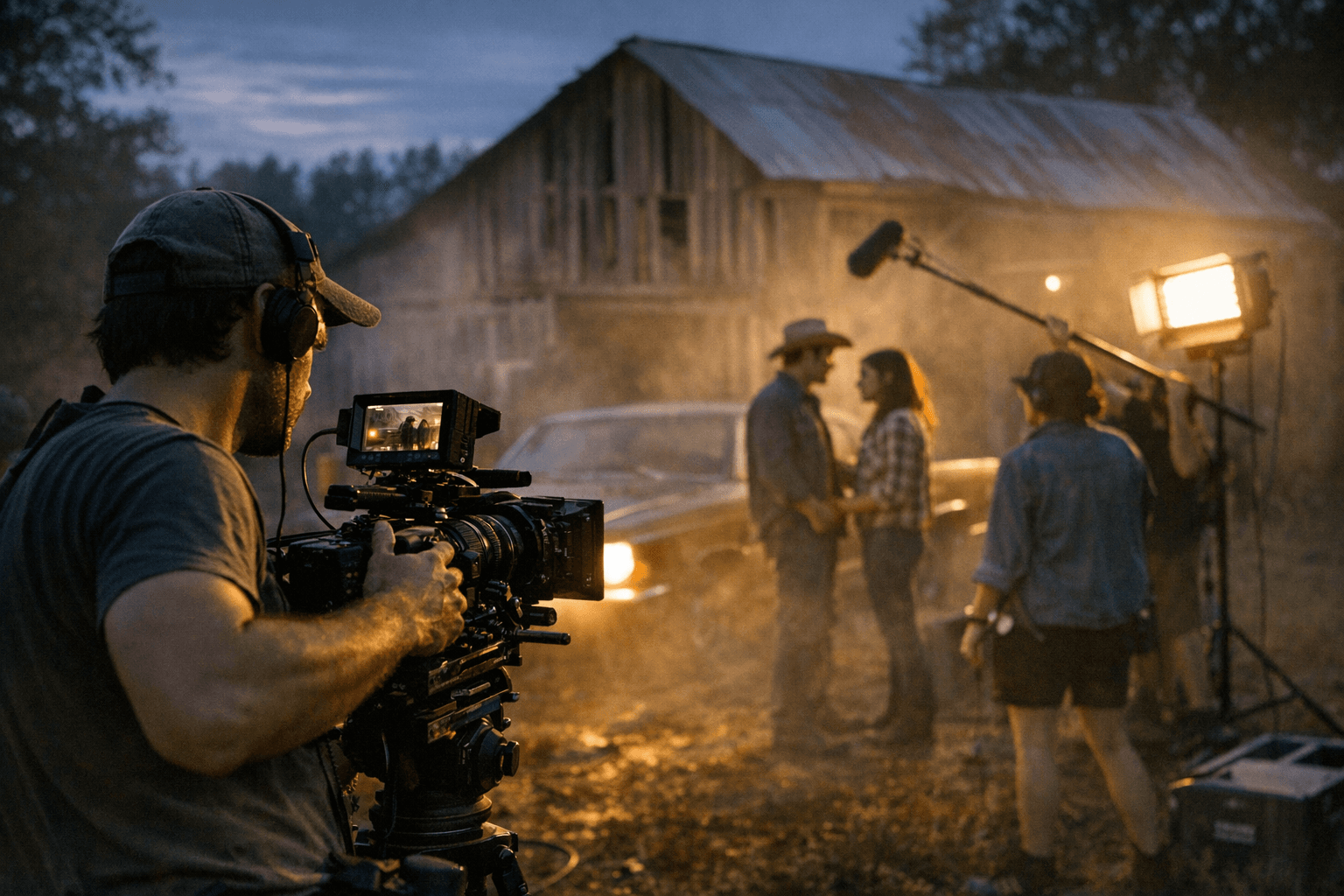
Start by writing with what you have. Limit cast to essential roles and concentrate scenes into a few locations to cut transportation and catering expenses. Schedule consecutive days for each unit and plan exterior shoots for golden hour or midday soft light when possible. Practical lighting - LED panels, reflectors, and available light - often outperforms complicated rigs on a micro budget, and pairing prosumer cameras or modern smartphones with a solid sound kit protects the audience experience. Sound remains the place to spend: good production sound and a quality boom or lavalier setup are more noticeable than extra camera toys.
Build a local crew by reaching out to Film Birmingham, university film departments, and community theaters. Post crew calls on Film Birmingham listings, local Facebook groups, and campus job boards where film students seek credits and experience. Volunteer networks and emerging artists tend to trade time for experience, credits, or deferred-pay agreements, so set clear expectations and document any deferred deals.
Handle permits and releases early. Contact municipal film offices or your city film liaison to learn simplified permit processes in many Alabama towns. Always secure location releases and talent release forms; for minors, obtain guardian consent forms before principal photography. Consider short-term production insurance for liability and equipment coverage - many local production services offer day-rate insurance to cover specific shoot days.
Fund micro-budget projects with a mix of crowdfunding, local arts grants, in-kind sponsorships from small businesses, and deferred-pay agreements. Keep a transparent line-item budget and prioritize expenses that shape the viewer experience: sound, editing, and color grading. Work with local editors and colorists who often offer competitive rates and festival-ready finishing.
Target regional festivals first, such as Sidewalk Film Festival and campus or community screening series, to build a track record before broader submission runs. For distribution, organize community screenings at independent cinemas, campus theaters, arts centers, or libraries, and use short runs on virtual cinema platforms, curated local streaming nights, and social media to reach statewide audiences.
Tap Film Birmingham, university film departments, and community arts centers to find collaborators, venues, and up-to-date permit and fee information in your city or county. With focused planning, local partnerships, and attention to sound and post-production, Alabama filmmakers can stretch micro budgets into projects that engage local audiences and earn festival traction.
Know something we missed? Have a correction or additional information?
Submit a Tip