Alabama Public Radio Interviews Julia Loktev on Documenting Russian Journalists
Alabama Public Radio interviewed filmmaker Julia Loktev about her documentary that follows independent Russian journalists and TV Rain facing increased state repression.
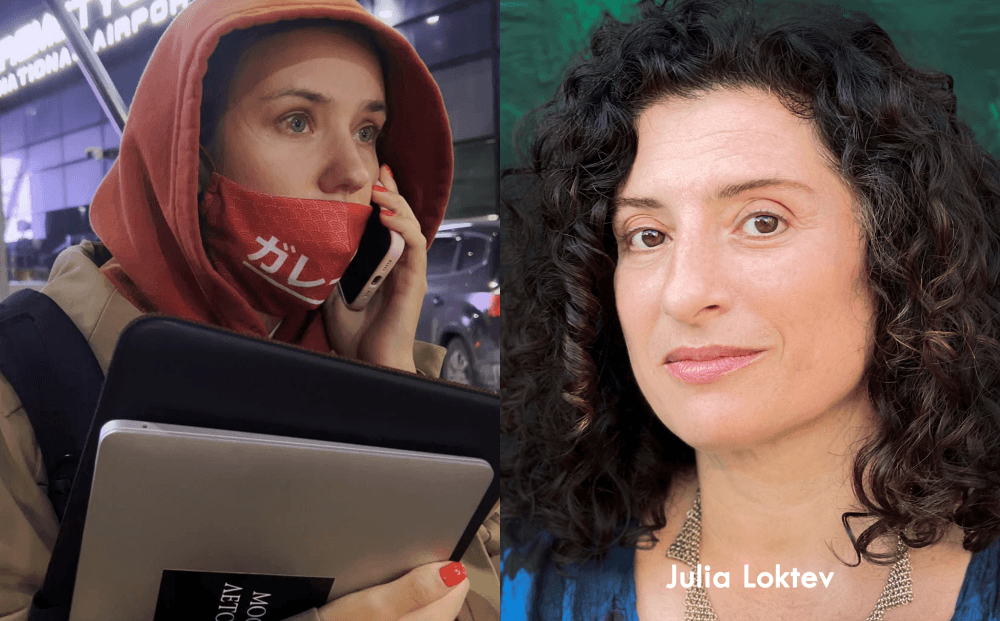
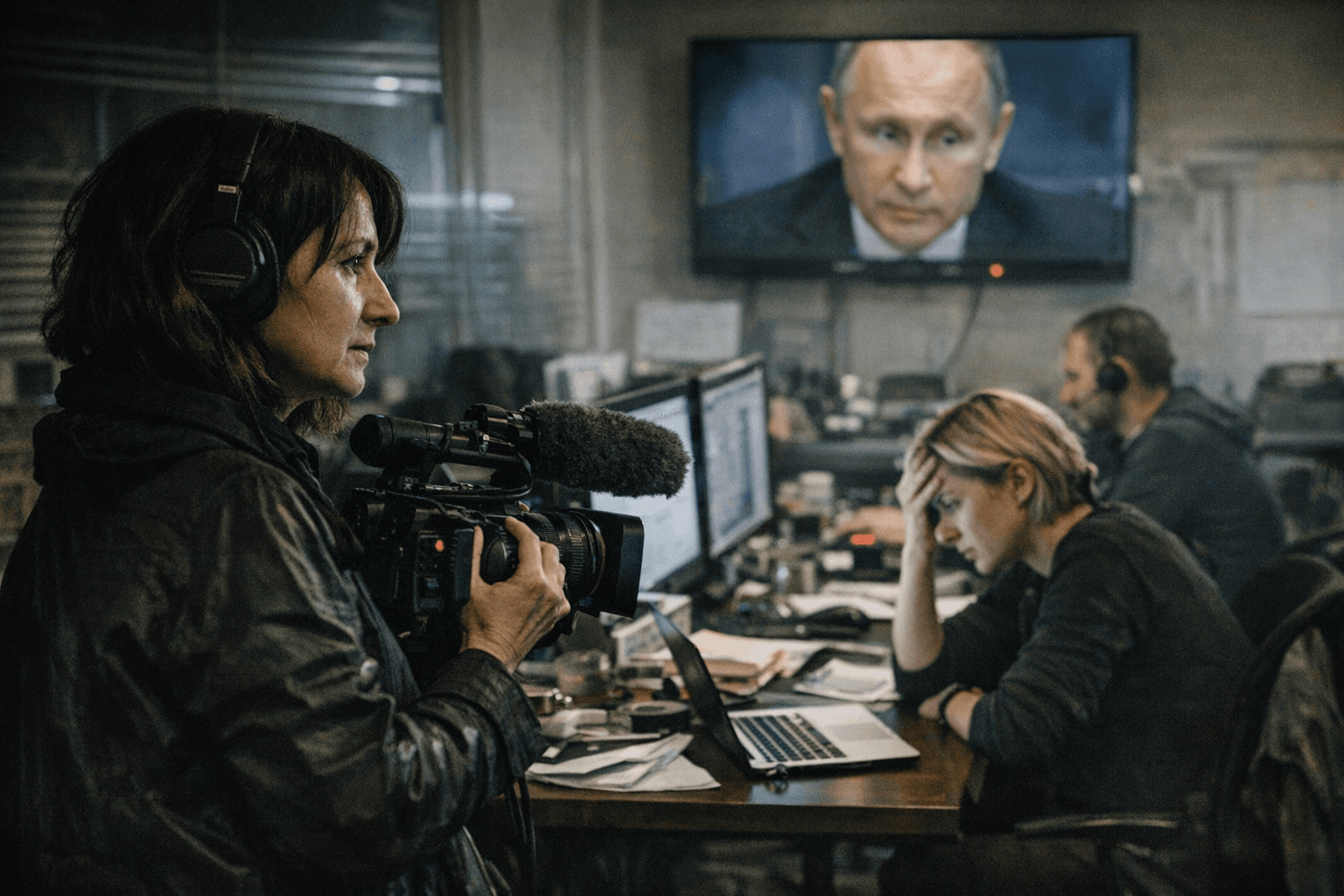
Alabama Public Radio published an extended interview with filmmaker Julia Loktev about her documentary My Undesirable Friends: Part I — Last Air in Moscow, which follows independent Russian journalists and TV Rain as they cope with increased state repression and the pressures of reporting after the
That description, provided in APR's feature, places Loktev's film squarely in the urgent conversation about press freedom and documentary practice. For Alabama indie filmmakers, programmers, and local film series organizers, the film promises first-hand reporting on how journalists work under pressure, and it suggests an opportunity to program a screening with a Q&A about ethical reporting, safety, and access when covering constrained media environments.
The APR excerpt available to this report is truncated and does not include Julia Loktev's direct quotes, production credits, or exhibition details. Those specifics are essential for booking, publicity, and community discussions. Loktev's film title and APR's synopsis are concrete starting points; the full interview and a press kit will be needed to confirm runtime, festival history, crew names, and the specific incidents or laws that the film documents.
Loktev's project arrives in a filmmaking lineage that often traces its craft back to radio and hands-on editing. Veteran documentarian Julia Reichert described that pathway in an interview excerpt: “I had been making a documentary for David’s class, which he was very encouraging of. It was called Going to Town, and was about the aging-out of farmers and their kids not wanting to [continue farming]. I was drawn to documentary because of my interests in radio and photography. I did a lot of radio documentaries, and learned to edit and to interview that way, and mix music in—all those skills of filmmaking I learned through radio, where it’s cheap. Then Growing Up Female was my senior project.” Reichert’s recollection underscores how resourceful, radio-rooted methods still inform documentary practice and community programming today.
A note on names: other recent interviews surfaced with filmmakers named Julia but are unrelated to Loktev. Derry Public Radio posted a SoundCloud episode titled “Derry Public Radio Interviews Filmmaker Julia Marchese,” which promotes Marchese’s work, notes that she lives in Hollywood, California, and states that she “is currently fundraising for her Dollar Baby short film 'I Know What You Need', based on Stephen King's story of the same name from Night Shift. The campaign runs until October 24,2020.” Julia Reichert remains a distinct figure and source of historical perspective on documentary craft.
What this means for readers: verify the full APR interview and Loktev’s credits, request a screener or press kit if you plan to program the film, and consider pairing a screening with a panel on reporting ethics and safety. Expect to follow up with Alabama Public Radio or Loktev’s team for the complete interview text and screening details so you can bring this urgent story into local festival lineups and classroom conversations.
Know something we missed? Have a correction or additional information?
Submit a Tip