Alabama Republicans ask Supreme Court to clear new congressional map
Alabama asked the Supreme Court to restore a map with one majority-Black district, a move that could tilt one House seat and test the Voting Rights Act again.
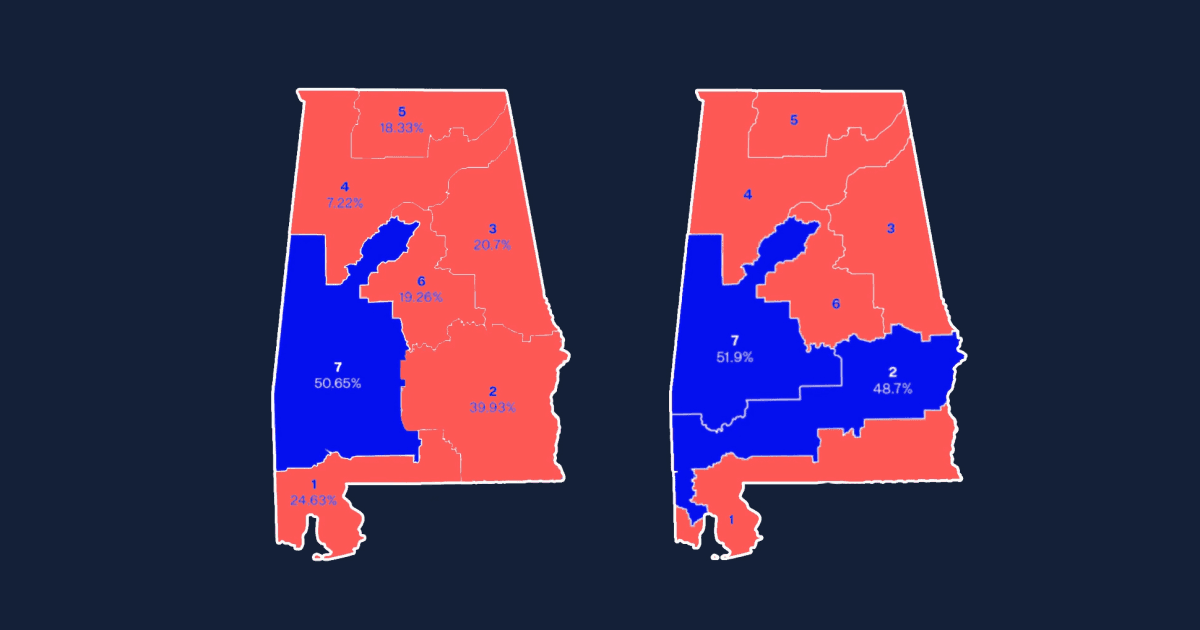
Alabama Republicans went to the U.S. Supreme Court on May 8 asking justices to let the state use a new congressional map before the May 19 primary, a move that could hand Republicans an edge in one of the nation’s tightest redistricting fights. The emergency filing seeks to replace the court-ordered map now in place with a version that would leave Alabama with one majority-Black district instead of two.
The dispute sits at the center of the national battle over whether the Voting Rights Act still constrains redistricting after a series of court clashes. Under the current court-ordered map, Alabama has seven House seats and two districts where Black voters have a meaningful opportunity to elect their preferred candidates. The Legislature’s 2023 map had only one majority-Black district, and state officials want to return to that arrangement ahead of November’s midterm elections.
The fight traces directly to Allen v. Milligan, the Supreme Court’s June 8, 2023 decision that said Alabama’s post-2020 Census map likely violated Section 2 of the Voting Rights Act. The Court found that Black voters, who make up about 27% of Alabama’s voting-age population, were entitled to an additional district in which they could influence the outcome. That ruling produced the second district now represented by Democrats Terri Sewell of Birmingham and Shomari Figures of Mobile.
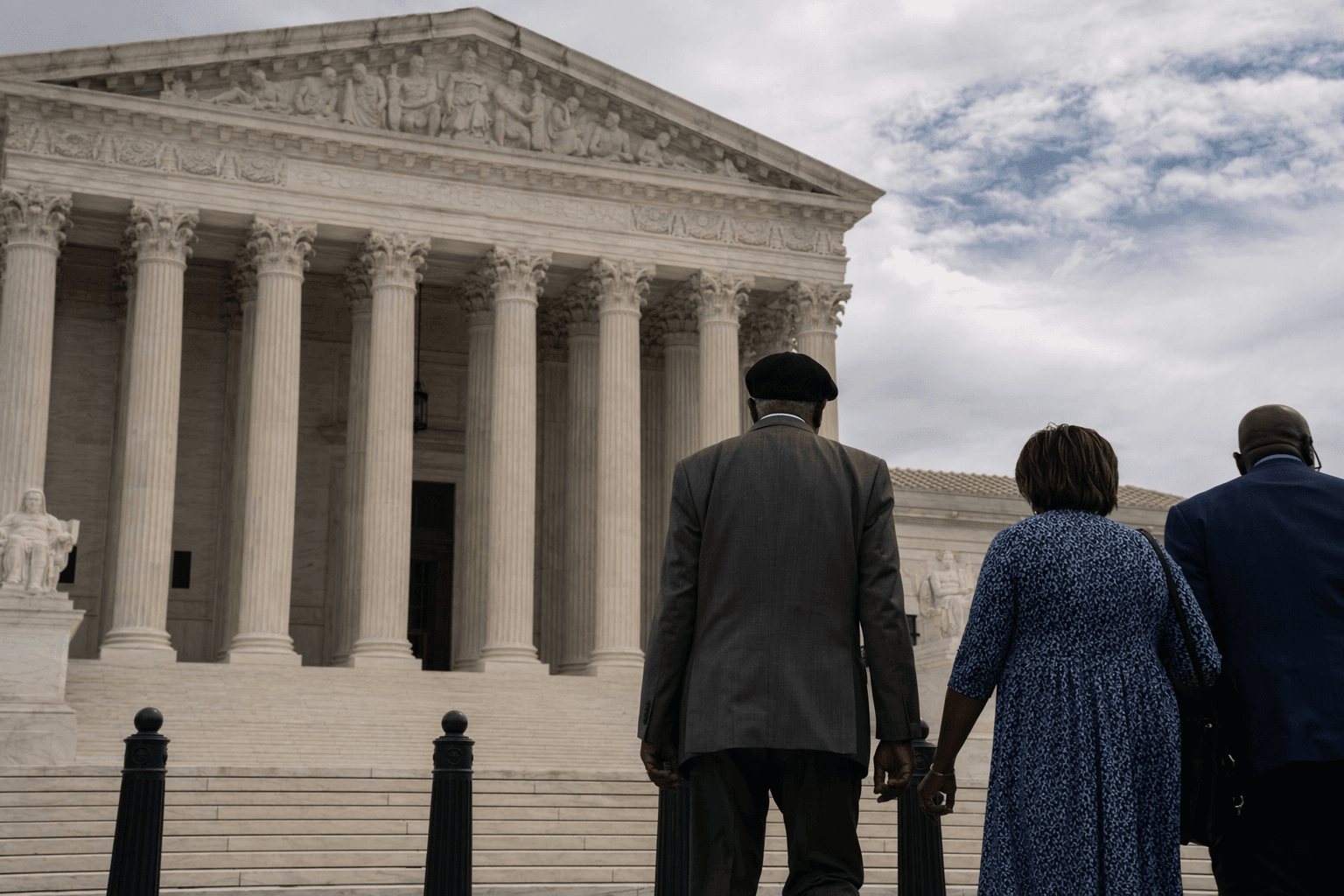
Alabama’s filing came as the Legislature moved quickly after the Supreme Court’s April 29 ruling in Louisiana v. Callais, which signaled a more permissive approach to challenges involving race and redistricting. Gov. Kay Ivey called a special session on May 4, and lawmakers began work on a new map aimed at restoring a 6-1 Republican advantage. Attorney General Steve Marshall said the state was asking the Court to lift what he described as a race-based congressional map before voters go to the polls.
The stakes extend far beyond Alabama. If the justices allow the state to proceed, the decision could encourage other Republican-led states to pursue similar redraws and weaken one of the last barriers to aggressive partisan mapmaking. If the Court refuses, it would preserve a major check on efforts to narrow Black voting power in districts that can decide control of the U.S. House of Representatives.
Democrats and civil rights groups have already moved to fight back. Sewell and Figures have denounced the effort, the NAACP and Black Alabama voters have asked the Court to block it, and groups including the League of Women Voters have warned that the special session would dilute Black representation. With the primary days away, Alabama has become the clearest test yet of how far the Court’s recent rulings will reshape congressional maps nationwide.
This article was produced by Prism’s automated news system from verified source data, official records, and press releases, then run through automated quality and moderation checks before publishing. The system is built and supervised by the people who set the standards it runs under. Read our full AI policy.
Did this article answer your question?

