Alabama runoff spotlights data centers, electricity costs and solar backlash
A PSC runoff is turning into a test of who pays for AI-era power, as a $350 million solar project tied to Meta triggers backlash in Baldwin County.
A fight over who pays for Alabama’s next wave of power demand is pulling a Public Service Commission runoff into the center of the state’s utility politics. In Baldwin County, a $350 million solar farm on about 4,500 acres has become a flashpoint because it is meant to help serve Meta’s $1.5 billion data center planned for Montgomery.
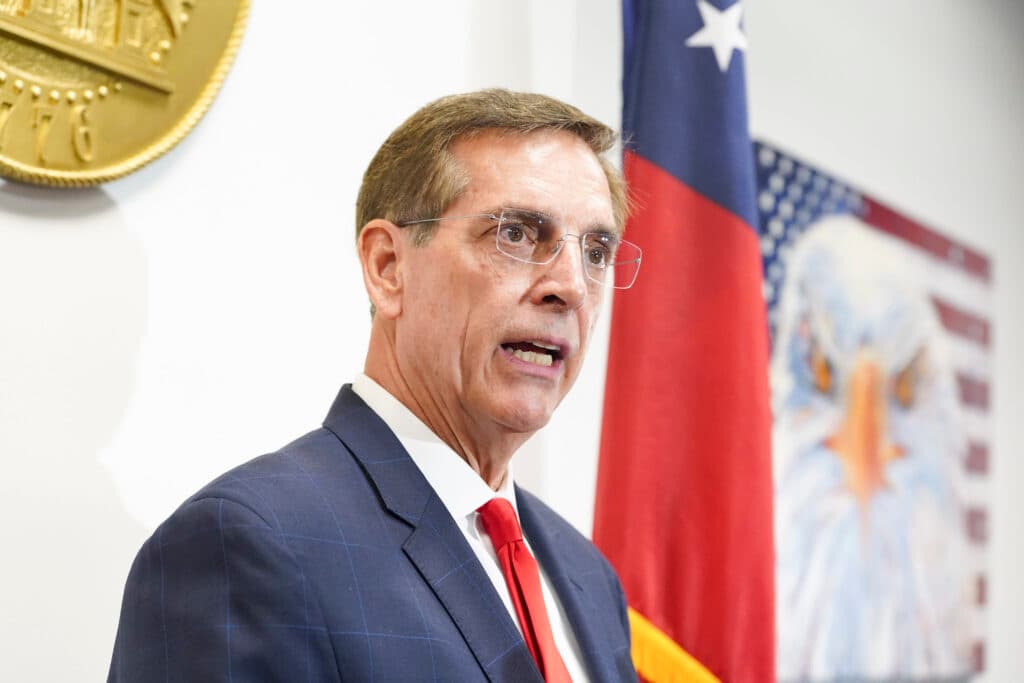
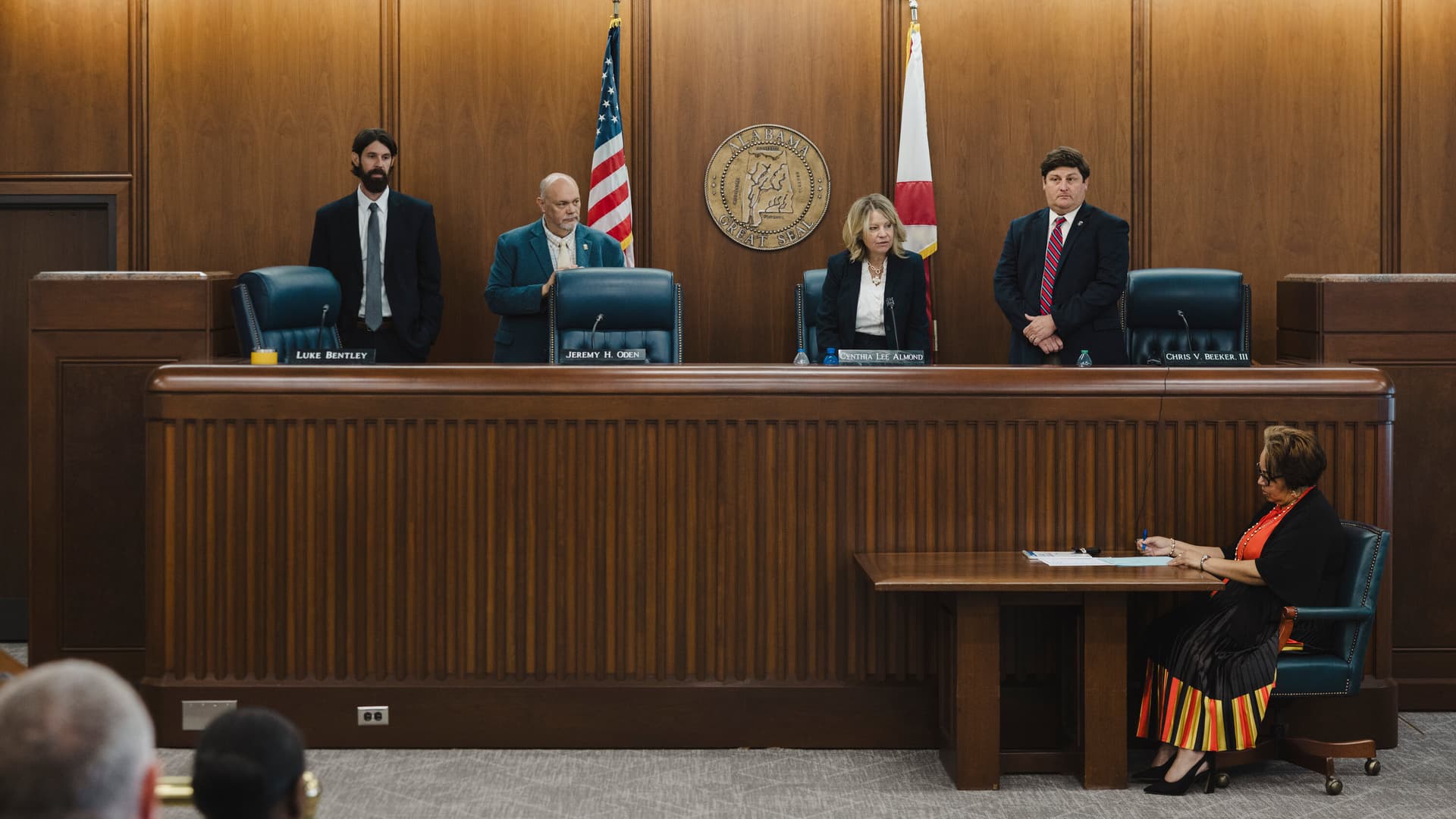
Republican voters will choose between Jeremy Oden and Chip Beeker for the PSC’s Place 2 nomination as the June 16 runoff lands in a state where electricity rates already rank among the South’s highest. The commission regulates Alabama Power and other utilities, so the contest has become a test of how Alabama will handle grid reliability, rising demand and the cost of building new infrastructure. The race has also drawn endorsements from the Alabama Farmers Federation, along with interest from outside political groups.
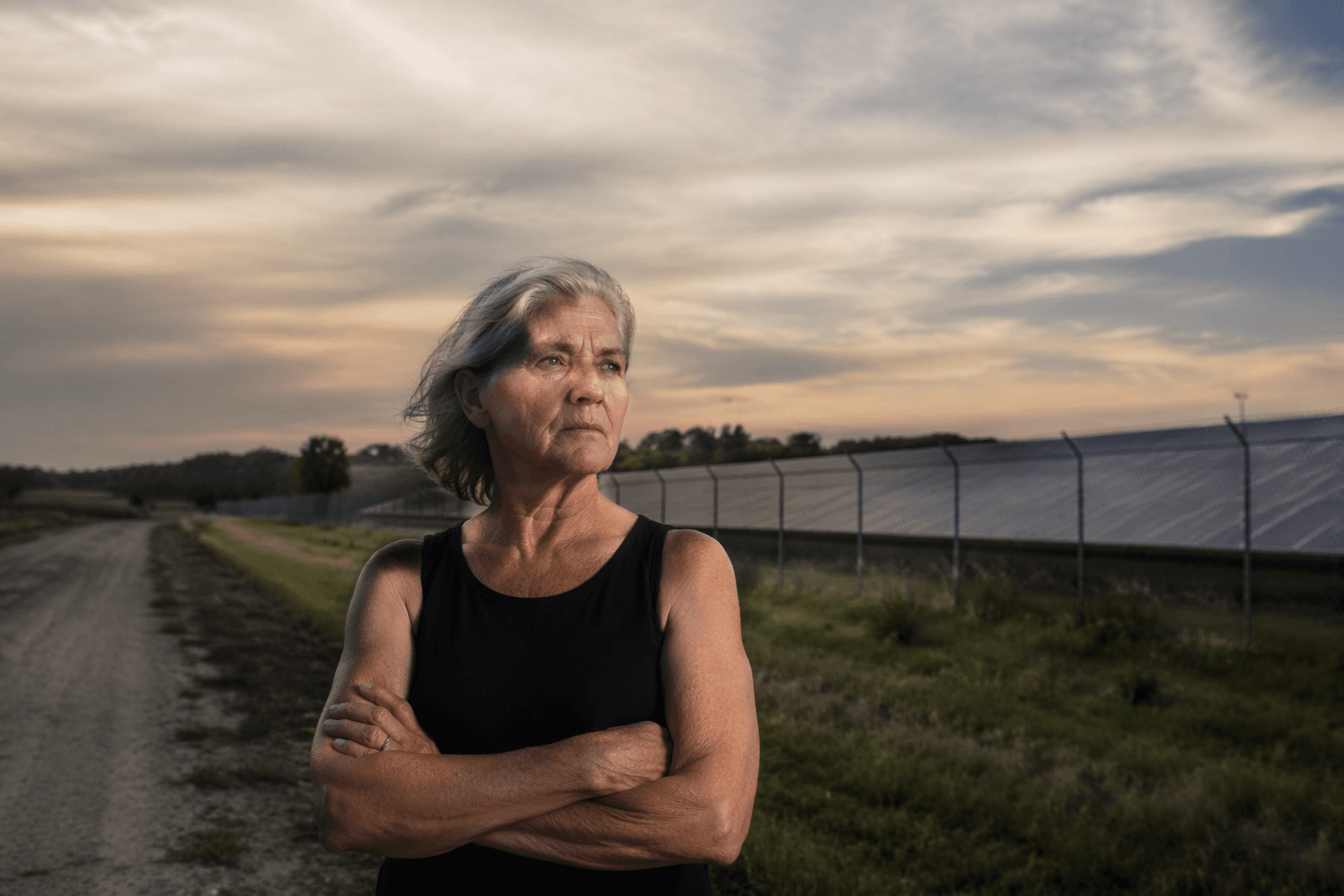
At the center of the debate is the Stockton solar project, approved by the Alabama Public Service Commission in December 2025 with little public attention. By early 2026, residents in North Baldwin County were organizing against the plan, saying they had been blindsided by its scale and by the fact that it is tied to power needs for a data center 150 miles away in Montgomery. The project would feed energy into Alabama Power’s system to support the Meta facility, linking a rural land-use fight to one of the state’s largest announced private investments.
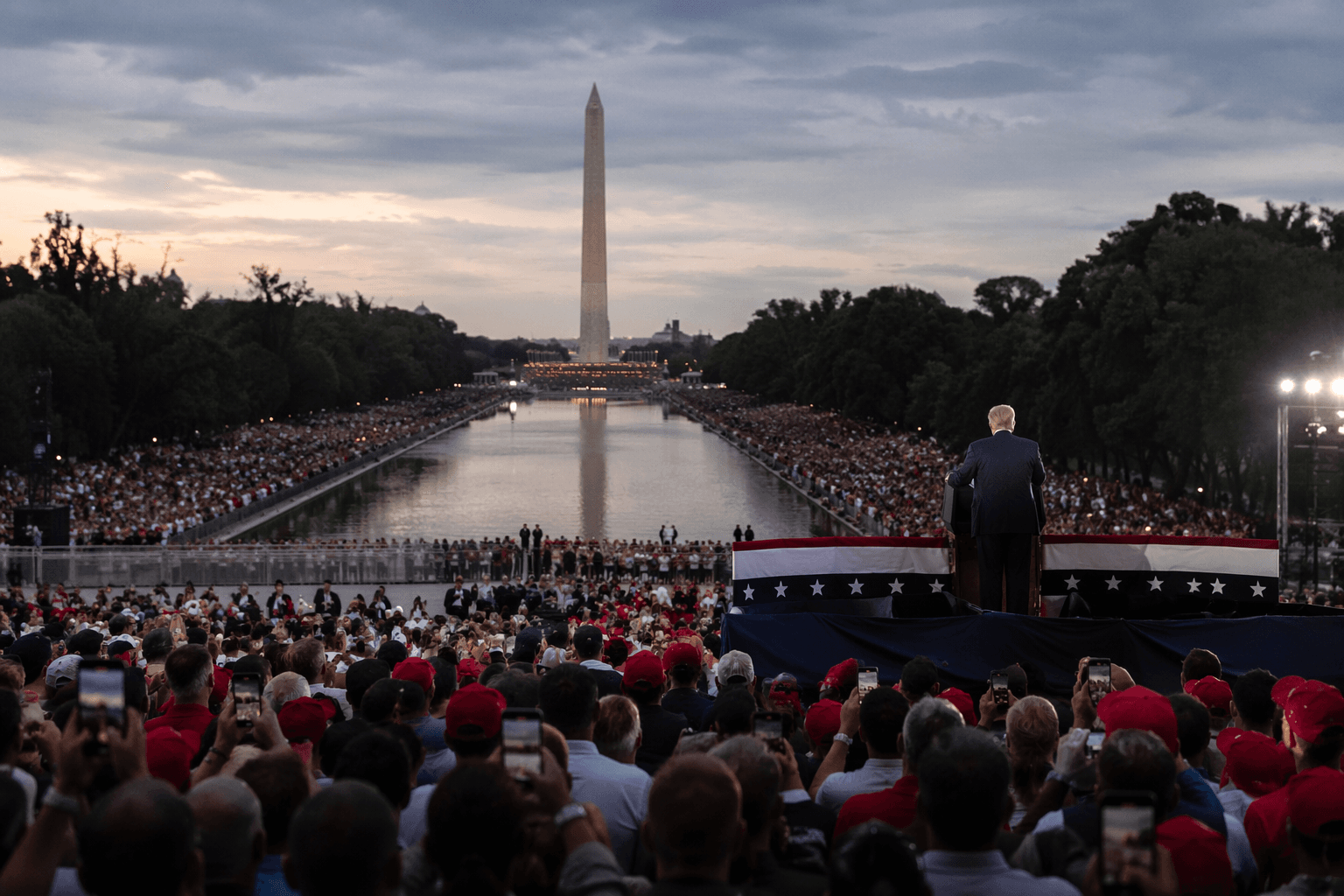
That backlash has already reached the Statehouse. In March 2026, lawmakers advanced a bill that would pause new solar development in Alabama for one year, and another bill would require the PSC to consider the public interest when approving data-center contracts. The fight has given conservative critics of solar a new talking point, as they argue that utility-scale renewable projects are being pushed to serve corporate load growth rather than local customers.

A broader PSC overhaul has raised the stakes further. The new law expanded the commission from three statewide elected members to seven district-based commissioners and created a secretary of energy position in the governor’s cabinet. It also limited how soon rate hearings could begin, with no new rate case available before 2029 unless the secretary of energy orders one or five of the seven commissioners agree. For Alabama, the runoff is no longer just about one seat. It is becoming a preview of how the state will decide who pays for the AI-era power buildout.
This article was produced by Prism’s automated news system from verified source data, official records, and press releases, then run through automated quality and moderation checks before publishing. The system is built and supervised by the people who set the standards it runs under. Read our full AI policy.
Know something we missed? Have a correction or additional information?
Submit a Tip