Alaska Air Group Orders 110 Boeing Jets to Power Global Expansion
Alaska Air Group placed the largest single aircraft order in its history, committing to 110 Boeing jets to underpin a strategic push into long-haul international markets. The deal signals a major capacity bet tied to Alaska’s acquisition of Hawaiian Airlines and a long-term fleet modernization plan that will shape competition and capital spending through 2035.
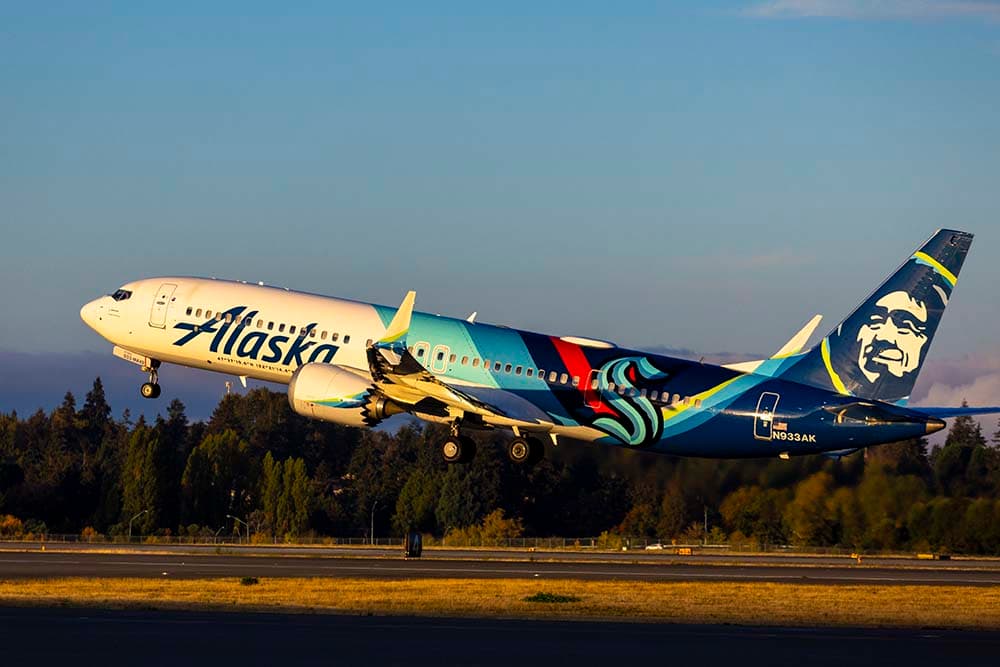
Alaska Air Group announced on Jan. 7, 2026, that it had committed to 110 Boeing aircraft, 105 Boeing 737 MAX 10 single-aisle jets and five Boeing 787-10 Dreamliner widebodies, in the carrier’s largest single order to date. The airline also secured purchase rights for an additional 35 MAX 10s and said it had exercised remaining options for 787 aircraft, extending scheduled deliveries through 2035.
Company statements described the transaction as intended to support “steady, scalable and sustained growth.” Executives framed the new jets as central to an expansion of Alaska’s domestic network and a deliberate move into longer-haul international flying out of Seattle to Europe and Asia, a strategy made more urgent by Alaska’s recent acquisition of Hawaiian Airlines.
Operationally, the five 787-10 widebodies are slated for transoceanic routes; the 737 MAX 10s will reinforce short- and medium-haul capacity that underpins Alaska’s domestic operations. Fox13 Seattle reported that one of the incoming 787-10s will be the first to wear Alaska’s new global livery, underscoring the order’s role in fleet modernization and brand evolution.
Several facets of the deal bear on timing and execution. The MAX 10 is Boeing’s largest 737 MAX variant and remains subject to regulatory certification; Boeing’s chief financial officer, Jay Malave, said late last year that the company was on track to secure approval for the MAX 10 later in 2026. Alaska did not disclose the dollar value of the transaction; industry observers noted that an order of this size would typically amount to multiple billions of dollars. The commitment surpasses Alaska’s previous 2022 purchase of 52 MAX jets and represents a marked scaling up of capital expenditure and aircraft capacity.
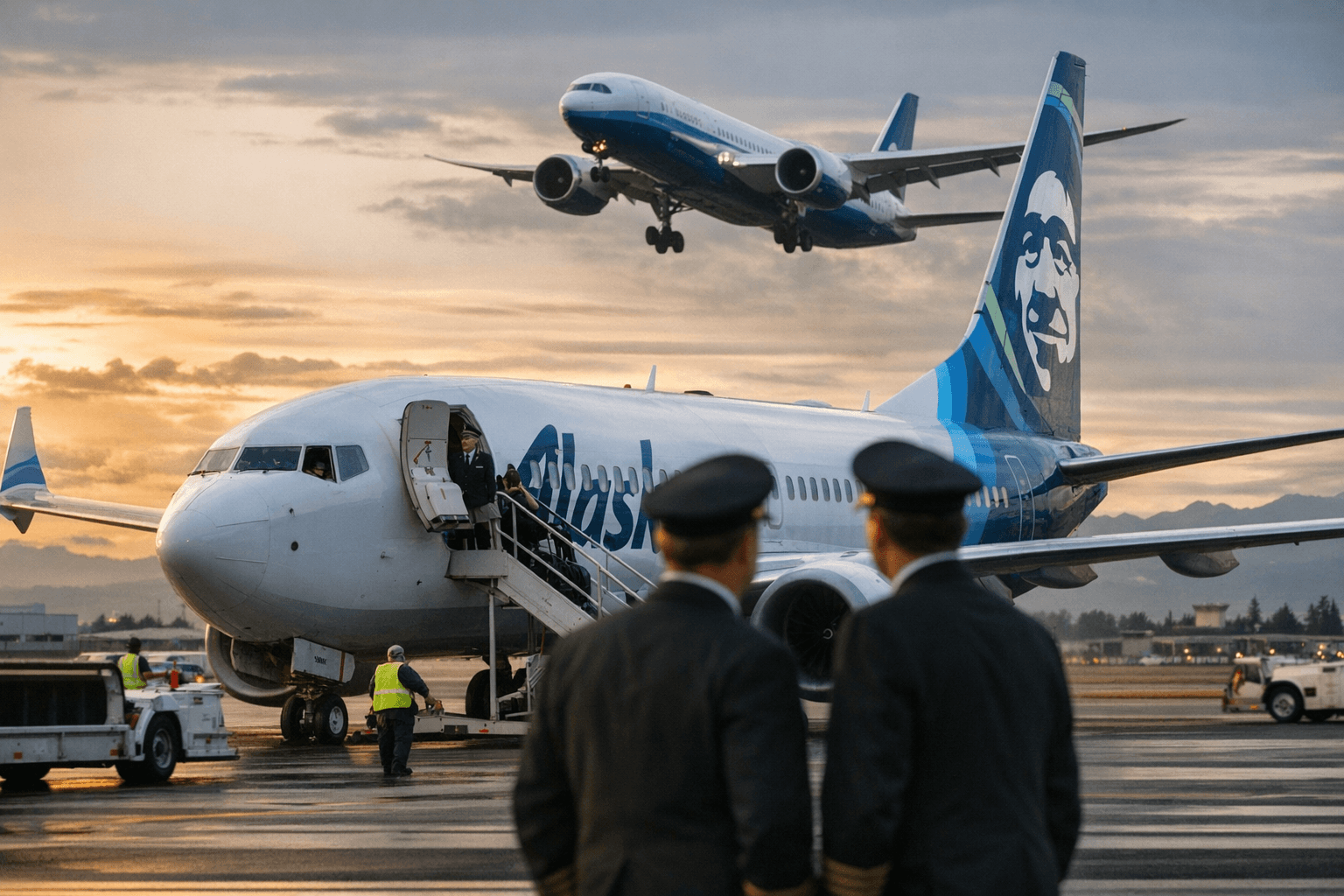
Market implications run across manufacturers, competitors and travelers. For Boeing, the order is a notable demand signal and will add to the manufacturer’s long-term backlog at a moment when timely certification and delivery performance remain under scrutiny. For Alaska, the jets create the physical capacity to launch more long-haul routes and to densify domestic frequencies, potentially intensifying competition on transpacific and transatlantic lanes and pressuring incumbent carriers at West Coast hubs.
Regulatory and execution risks are material. Certification timing for the MAX 10 introduces schedule uncertainty; integrating Hawaiian Airlines and coordinating international route authorities and slot access could provoke regulatory review and operational complexity. Spreading deliveries through 2035 mitigates immediate balance-sheet strain but commits Alaska to a prolonged capital expenditure program that will shape network choices and unit costs for years.
The order reflects broader trends in commercial aviation: U.S. carriers increasingly pair larger narrowbodies for domestic density with a small number of fuel-efficient widebodies to pursue premium international routes. For passengers, the result may be more direct long-haul options from Pacific Northwest gateways; for investors and policy makers, the move raises questions about financing, competition, and the pace of fleet renewal in an industry focused on efficiency and international growth.
This article was produced by Prism’s automated news system from verified source data, official records, and press releases, then run through automated quality and moderation checks before publishing. The system is built and supervised by the people who set the standards it runs under. Read our full AI policy.
Did this article answer your question?

