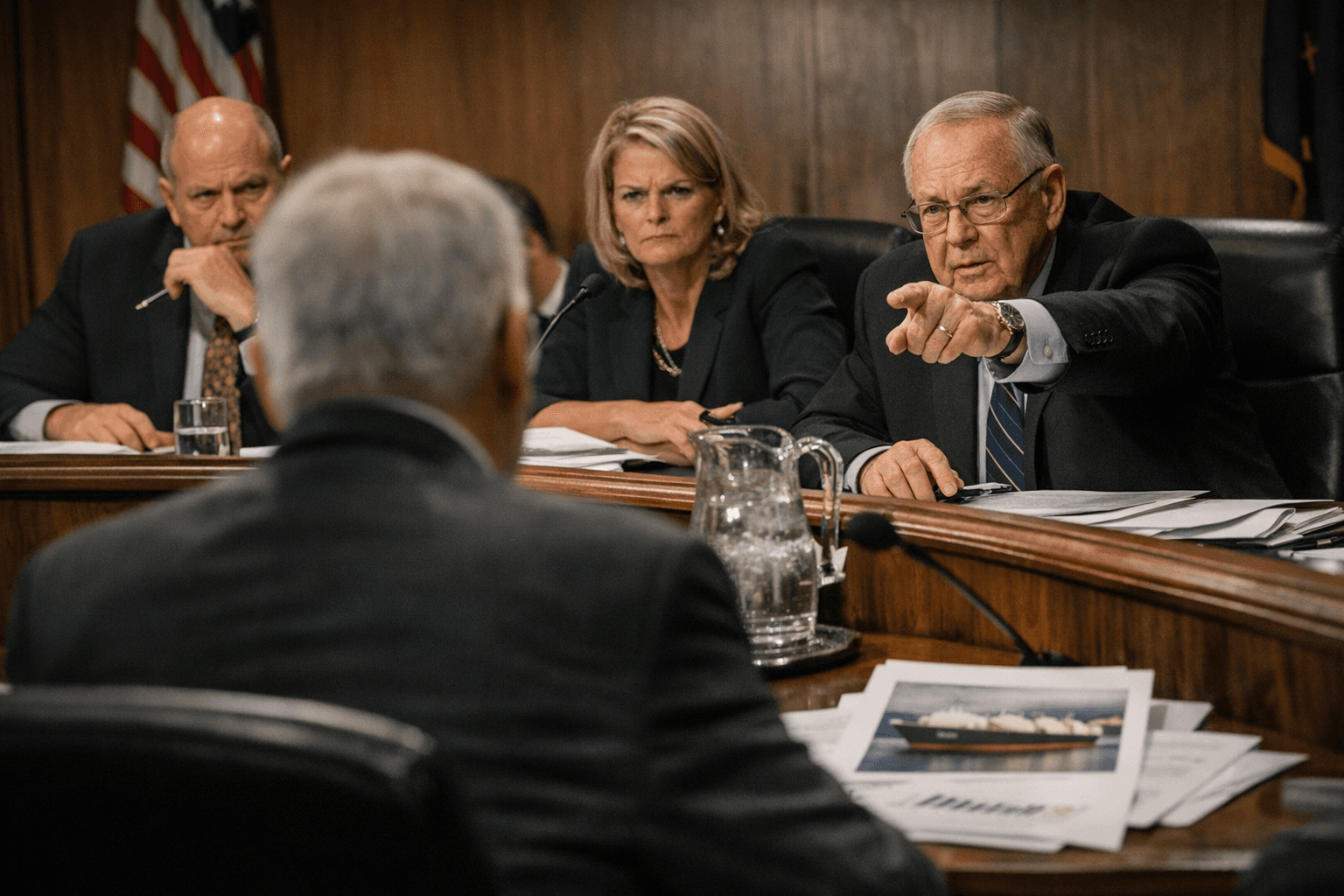
Alaska lawmakers launch second bid to pass vetoed SB 113 corporate tax
Alaska lawmakers revived a push to pass a vetoed corporate tax change aimed at taxing out-of-state digital companies, a move that could generate tens of millions for state coffers.

Legislators have opened a new attempt to change how Alaska taxes out-of-state, highly digitized businesses, saying the move would modernize the state’s tax code and capture revenue currently paid to other states. Backers argue the resurrected measure could produce “tens of millions” in new revenue, a figure variously estimated at $25 million to $65 million by some outlets.
The original bill, SB 113, passed the Legislature last spring with 42 of 60 lawmakers in favor but was vetoed by Gov. Mike Dunleavy in September. Lawmakers tried to overturn the veto at the start of the session but failed; StateandLocalTax reported the failed override occurred Jan. 22, 2026, and KTUU recorded the tally as 35-25. With the override defeated, supporters moved to rework the measure and held a first hearing on the redo in mid-February.
Representative Calvin Schrage, co-chair of the House Finance Committee, framed the revived effort as closing a gap that lets remote sellers avoid Alaska corporate tax. “Currently, there is a loophole in Alaska's corporate income tax structure, and that loophole is that if you're a highly digital business that doesn't have a physical presence here in the state, you are not paying taxes to the state of Alaska. You're paying those taxes to other states,” Schrage said. Schrage also called the tax update “a matter of fairness” and said Alaska’s corporate code “is very out of date.”
Technically, SB 113 would adopt market-based sourcing and a single-sales-factor apportionment for highly digitized businesses so more income of Lower 48 companies could be attributed to Alaska. StateandLocalTax’s analysis contrasts that approach with SB 277, a governor-backed bill introduced Jan. 26, 2026, which also adopts market-based sourcing but does not create the special apportionment method for digital businesses. SB 277 would expand what income is apportionable to Alaska, enact a temporary statewide sales and use tax on personal property and services, and would ultimately reduce the corporate income tax rate to 0% beginning Jan. 1, 2031. Alaska’s current corporate top rate is 9.4% for taxable income over $222,000.
Opponents have raised constitutional and consumer-impact concerns. Governor Dunleavy, in his veto message, said Alaska needs a “sustainable fiscal plan” that “must protect Alaskans, and provide the resources to run government in a responsible manner, and survive constitutional scrutiny.” Some Republicans argued the tax could be passed through to consumers; Senator Bill Wielechowski pushed back on that line, saying the pass-through claim is “wildly inaccurate” and noting how companies argue sales “didn’t occur in Alaska” even when a buyer is seated in Anchorage.
Representative Will Stapp, who voted for SB 113 last year but against the override, urged technical fixes and warned against retroactivity. “No change in tax structure is perfect. But there are impacts that we should actually understand, that the public's going to expect us to kind of understand so we can articulate it,” Stapp said.
For North Slope Borough residents, the dispute matters because state fiscal policy shapes the size and stability of state spending that affects borough planning and services. The Legislature’s next steps include committee work on the redo and parallel consideration of SB 277 as part of the governor’s broader fiscal package. Lawmakers and legal analysts will need to reconcile competing revenue estimates and constitutional questions as the session advances, and communities across Alaska will be watching how any new rules affect state finances and the distribution of tax burdens.
Sources:
Know something we missed? Have a correction or additional information?
Submit a Tip