Albany County Courthouse in Laramie remains hub for services
The Albany County Courthouse houses county offices, records, and public meetings; verify hours and access procedures before visiting.
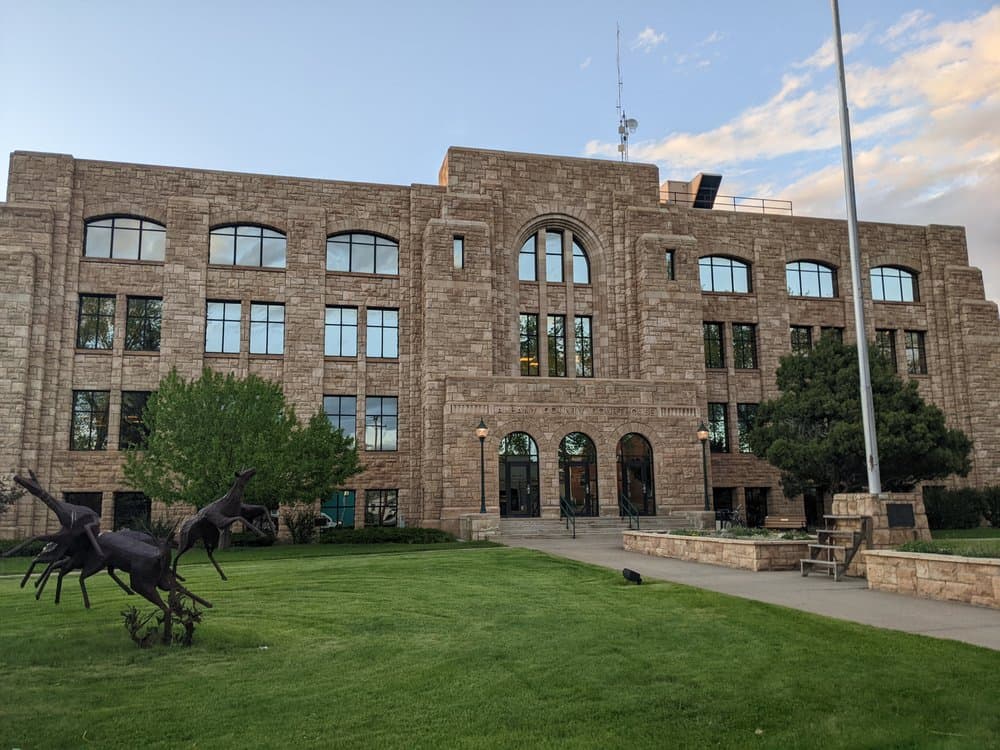
The Albany County Courthouse in Laramie functions as Albany County’s primary seat of local government and the courts, concentrating the county’s administrative and public-facing services under one roof. The facility houses the County Commission chambers, the Clerk of District Court, Treasurer, Assessor, County Attorney administrative functions, and many public records, making it the central place residents turn to for records, licensing, filings and public meetings.
For decades the building has hosted civic events, public hearings and legal proceedings that shape county policy and local life. That centrality gives the courthouse an outsized role in everyday governance: property and land records, tax and licensing transactions, court filings, and commission deliberations all flow through its doors. For voters, civic groups and neighborhood advocates, the courthouse is where policy debates are aired and decisions are made visible to the public.
Operational details that affect residents are managed by Albany County administration and posted on the county website and in meeting packets. That includes hours, public-access procedures and any current renovation or remodeling plans. Residents should verify current hours and access rules before visiting to avoid interrupted service or changes in where offices are located.
Concentrating so many functions in a single facility has practical advantages and policy implications. Centralization improves one-stop access for many routine needs, but it also creates a single point of friction when the building is undergoing work or when hours or procedures change. Reduced physical access can disproportionately affect seniors, working residents and students at the University of Wyoming who rely on fixed hours and in-person records access. It can also reduce opportunities for public oversight if hearings and commission business become harder to attend.

Institutional accountability rests on clear, advance notices and accessible meeting materials. Meeting packets and county postings are the primary public records for upcoming hearings and administrative changes, so timely publication matters for civic engagement. The County Commission and county administration face choices about balancing renovation needs with uninterrupted public access: scheduling, remote participation options, posted alternatives for services and expanded online records access are all policy levers that affect participation and equity.
For residents planning business at the courthouse, practical steps are simple and consequential: check the county website and the latest meeting packets for hours and access procedures, confirm where specific offices are operating during any remodels, and plan visits accordingly. For civic actors, staying engaged at Commission meetings and monitoring posted materials remains the most direct means to hold county officials accountable for service continuity and transparent scheduling.
What this means for Laramie is straightforward: the courthouse will remain a focal point for county governance, but its effectiveness depends on how the county manages access during routine operations and any construction. Expect announcements in meeting packets and on the county website that will indicate next steps and potential service adjustments; verify those notices before you head downtown.
Sources:
Know something we missed? Have a correction or additional information?
Submit a Tip