Alcohol-free World Cup tips gain relevance as fan frustrations grow
Alcohol-free World Cup fandom is moving mainstream as fans juggle health, cost and stadium rules. The 2026 tournament adds fresh frustration, but it also makes sober matchday planning more practical.
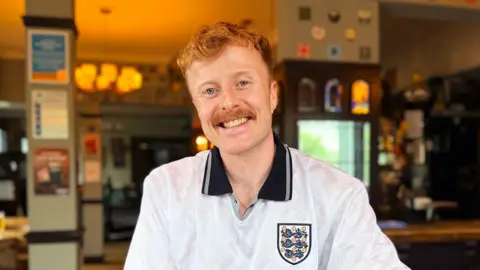
The modern World Cup no longer belongs only to the beer line. With sober curiosity moving into the mainstream and stadium rules tightening again for 2026, alcohol-free fans have more reasons than ever to plan their matchday experience in advance.
Why alcohol-free fandom is no longer niche
Psychology guidance in 2025 described sober curiosity as a growing mainstream movement, not a fringe identity. More people are choosing to cut back or stop drinking for health, recovery, faith and financial reasons, which changes what a big sporting event like the World Cup looks and feels like for ordinary fans.

That shift is visible in the marketplace too. The American Psychological Association said sales of nonalcoholic beer, wine and spirits are rising, and fully nonalcoholic bars are opening in U.S. cities. For fans, that means alcohol-free support is no longer just a private compromise. It is increasingly a normal part of how people go out, celebrate and stay present for the match.
What Qatar taught fans and organizers
The strongest modern example came at the 2022 World Cup in Qatar, where tournament organizers reversed course just two days before kickoff and banned alcoholic beer sales inside all eight stadiums. Budweiser held exclusive rights to sell beer at the tournament, so the decision was not only a fan issue but also a sponsor issue. The backlash was immediate, including online chants of “We want beer.”
A 2025 study that coded 5,252 independent social-media posts about the ban found that 55.1 percent were anti-ban, 15.9 percent were pro-ban and 29 percent were neutral. The sharpest criticism focused less on the absence of alcohol itself and more on the timing, the sponsor disruption and broader complaints about the tournament experience. That distinction matters for fans planning a sober day out now: what tends to provoke anger is surprise and poor communication, not the idea of an alcohol-free stadium by itself.
How the 2026 World Cup changes the fan experience
The next tournament raises its own practical issues. FIFA said on June 4, 2026, that fans at the 2026 World Cup will not be allowed to bring reusable water bottles into stadiums, citing safety concerns. FIFA said hydration stations and other heat-mitigation measures will be available, but the decision has still added to frustration about comfort and venue rules.
That matters because the 2026 World Cup runs from June 11 to July 19, 2026, and will be cohosted by the United States, Canada and Mexico. Some venues are expected to be hot, so the most basic matchday planning now includes water, shade, timing and security-friendly packing. If the stadium will not accept reusable bottles, the smart move is to build your day around the hydration options that are actually allowed, not the ones you wish were allowed.
A practical matchday playbook without alcohol
The easiest way to enjoy the tournament sober is to treat the day like a full event, not a test of willpower. Start by deciding what your version of a complete matchday looks like before you leave home. If alcohol used to be part of the ritual, replace that cue with something concrete you can repeat every time.
- Eat before kickoff so you are not making decisions while hungry.
- Arrive with a hydration plan, especially if the venue is expected to be hot.
- Know the stadium rules before you go, including what bottles or containers are prohibited.
- Pick a default drink order in advance, such as nonalcoholic beer, mocktails or soda, so you are not negotiating under pressure.
- Build a ritual around the match itself, not the bar, whether that is the national anthem, a group photo, a scarf, or a post-goal text chain.
Social pressure is often easier to manage when your answer is short and ordinary. A simple “I’m not drinking today” is usually enough. You do not owe anyone a medical explanation, a recovery story or a debate about whether the World Cup should feel festive only if alcohol is involved.
The market now gives fans more cover than it used to. Nonalcoholic beer, wine and spirits have risen sharply in popularity, and mocktails and alcohol-free bars are becoming more common. That makes sober matchday culture easier to share with friends who are drinking, easier to justify on budget grounds and easier to use when you want the next morning to be clear-headed.
Why this conversation is not going away
Alcohol policy has become one of the World Cup’s recurring fault lines because it touches money, sponsorship, crowd management and national norms all at once. In Saudi Arabia, the ambassador to the UK, Khalid bin Bandar Al Saud, said the kingdom will uphold its alcohol ban for the 2034 World Cup, signaling that the debate will continue long after North America’s tournament ends.
For fans, the lesson is practical. Alcohol-free World Cup culture is no longer just about abstinence for its own sake. It is becoming a workable option for people who want to save money, protect recovery, observe faith commitments or simply enjoy the match without the complications that keep surfacing around alcohol policy. The more the tournament changes, the more useful that option becomes.
This article was produced by Prism’s automated news system from verified source data, official records, and press releases, then run through automated quality and moderation checks before publishing. The system is built and supervised by the people who set the standards it runs under. Read our full AI policy.
Did this article answer your question?
.jpg&w=1920&q=75)