Alex Bores leans on AI safety record in crowded Manhattan race
Alex Bores has turned New York's AI crackdown into the defining issue in a Manhattan primary where outside spending has topped $7 million.
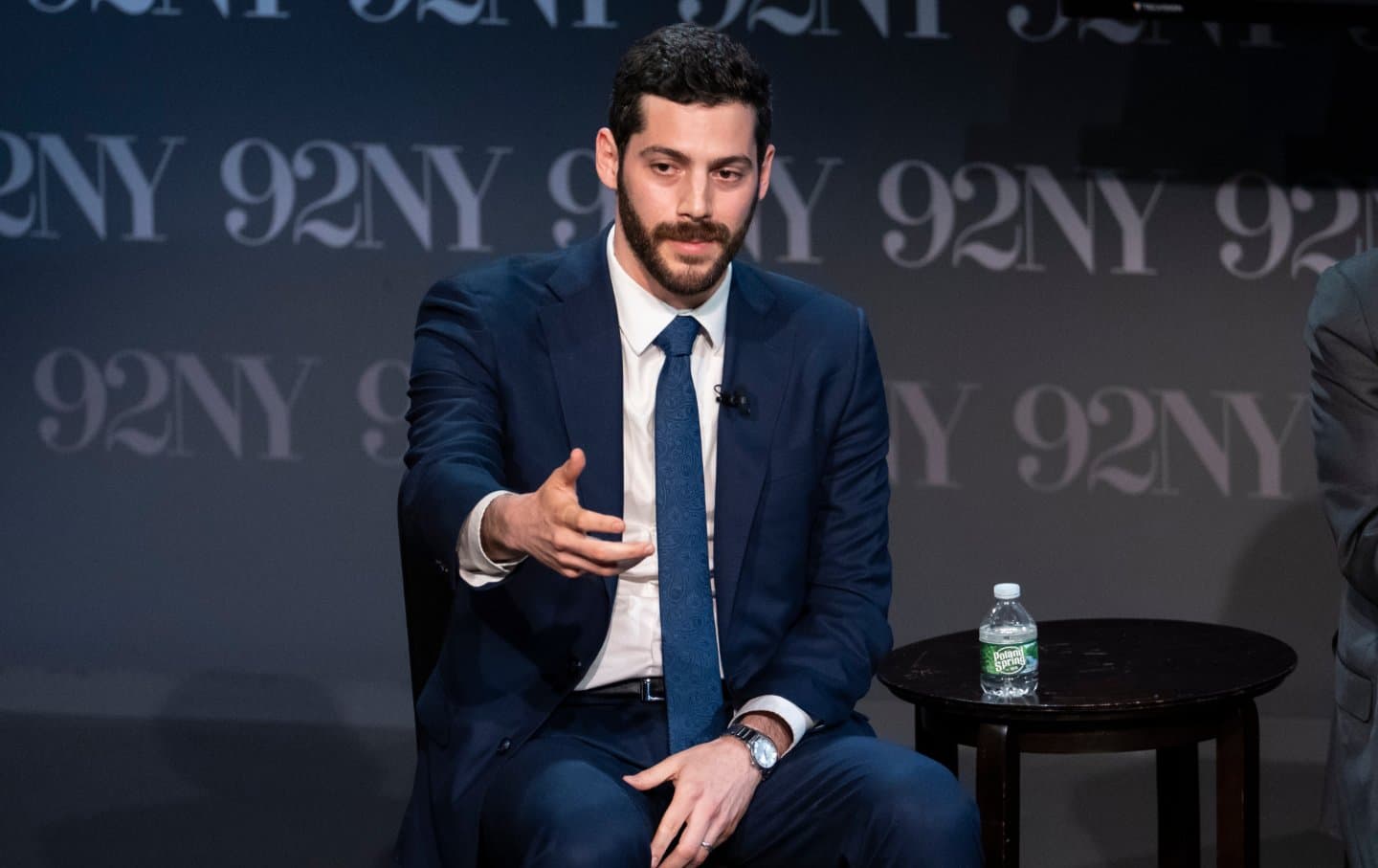
Alex Bores has made artificial intelligence the sharpest edge of his campaign to replace retiring Rep. Jerry Nadler, turning a Manhattan primary into a test of how far Congress should go to police the technology. With Democratic voters set to choose Nadler’s successor in New York’s 12th Congressional District on Tuesday, June 23, the race has become a referendum on AI regulation, big-money spending, and whether Washington should act before the industry writes its own rules.
The district stretches across the Upper West Side, Upper East Side, Midtown, Hell’s Kitchen, Chelsea, Murray Hill and Gramercy, a heavily Democratic swath of Manhattan that Nadler has represented since 1992. He won reelection in 2024 with 81 percent of the vote, but this open-seat contest has drawn a crowded field and a much rougher fight. Bores is one of five major Democrats still in the mix, alongside Micah Lasher, George Conway, Nina Schwalbe and Jack Schlossberg, and early voting began on Saturday, June 13.

Bores, a New York State Assembly member from Manhattan’s East Side and a former Palantir employee with a computer science background, has leaned hardest on his record of pushing the state to regulate AI. He and State Sen. Andrew Gounardes sponsored the Responsible AI Safety and Education Act, known as the RAISE Act, which passed both houses of the New York Legislature in June 2025 and was later signed by Gov. Kathy Hochul. The law requires the largest AI developers to create safety plans, submit those plans to third-party review and disclose major security incidents.
State officials described the measure as the strongest AI transparency law in the country, and its backers cast it as a way to guard against severe risks like automated crime and bioweapons without choking off innovation. That balancing act has become central to Bores’s case to voters: he is arguing that AI can be checked, but only if lawmakers are willing to specify which systems should face limits, who would enforce them and how civil liberties and labor concerns would be protected.
The same posture has made him a target. Reporting has said a political group backed by OpenAI investors and other Silicon Valley figures has spent more than $7 million on ads opposing Bores, with some estimates putting the total above $10 million. OpenAI has said outside political groups do not speak for the company and that it supports thoughtful regulation and AI safety.
The fight in New York’s 12th District now reaches beyond one Manhattan seat. Federal lawmakers are considering proposals that could preempt state AI rules, making this race part of a larger national struggle over whether AI should be governed first by aggressive public rules or by industry restraint. Bores has framed the contest as a test of whether regulation can happen at all, and the size of the spending against him suggests the answer may shape much more than one congressional district.
This article was produced by Prism’s automated news system from verified source data, official records, and press releases, then run through automated quality and moderation checks before publishing. The system is built and supervised by the people who set the standards it runs under. Read our full AI policy.
Did this article answer your question?

